COLUMN: HOW TO FORMULATE
How to formulate hybrid cosmetics
About the Author
Belinda Carli
Belinda is Director of Institute of Personal Care Science, providing on-line, Industry Recognised Certificates and Diplomas in formulation and regulation of personal care and cosmetics. The Institute has trained thousands of students from hundreds of countries for 17 years.
Belinda has written 5 books on formulation and brand management, developed formulation software Create Cosmetic Formulas, and has 120,000+ subscribers on YouTube with hundreds of videos on personal care formulation, regulations and marketing.

Belinda Carli
Institute of Personal Care Science

KEYWORDS: hybrid cosmetics; active makeup; hybrid cosmetic formulas; formulating hybrid cosmetics
With the cost of living constantly on the rise, consumers are always on the look out for value for money. One of the best ways to appeal to the savvy consumer is to offer them more from their everyday products… and this has led to the rise in hybrid cosmetics.
Hybrid cosmetics, also known as active makeup, is a big step forward from the BB and CC creams of the past, which focused mainly on blemish control ingredients added to a tinted moisturiser or foundation base. Now, hybrid cosmetics utilise just about any type of colour cosmetic with compatible actives added - but beware, formulating hybrid cosmetics does mean careful selection of the cosmetic active as well as ensuring a very stable formulation base. Read on for tips to start making hybrid cosmetics a part of your future product range!
Hybrid foundations
Adding cosmetic actives to liquid foundation formulas is perhaps one of the easiest approaches to formulating hybrid cosmetics, and is where the BB serums and cream trend came from. When formulating liquid foundations, they are always going to be an oil-in-water, water-in-oil or water-in-silicone formulation with significant stabilising ingredients to support the pigments and hold them in homogenous suspension. Adding a cosmeceutical ingredient is therefore relatively easy: make sure you select a cosmetic active that is compatible with the continuous phase of the foundation, and it will blend easily into the makeup formula when mixed sufficiently to be homogenous.
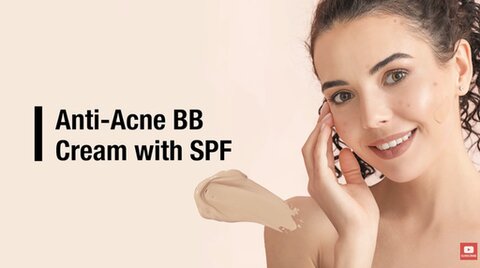
Cosmetic active ingredients can be selected for a variety of purposes, such as hydrating, anti-ageing or anti-acne, and may also include SPF for sun protection. Adding anti-irritant ingredients and niacinamide is also a great way to boost the marketing story of your foundation formulas with wide consumer appeal.
Be careful though, remember that if zinc oxide is used as your opacifying agent, the foundation formula will always maintain a pH around 7 - so all actives, preservatives and rheology modifiers must suit this very neutral pH to be effective.
Adding cosmetic actives to liquid foundation formulas is perhaps one of the easiest approaches to formulating hybrid cosmetics, and is where the BB serums and cream trend came from. When formulating liquid foundations, they are always going to be an oil-in-water, water-in-oil or water-in-silicone formulation with significant stabilising ingredients to support the pigments and hold them in homogenous suspension. Adding a cosmeceutical ingredient is therefore relatively easy: make sure you select a cosmetic active that is compatible with the continuous phase of the foundation, and it will blend easily into the makeup formula when mixed sufficiently to be homogenous.
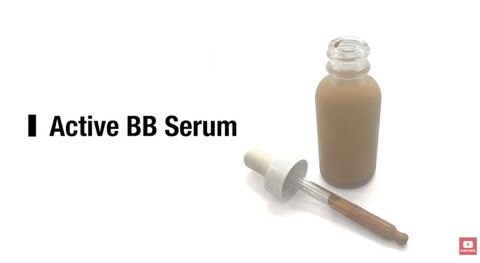
Cosmetic active ingredients can be selected for a variety of purposes, such as hydrating, anti-ageing or anti-acne, and may also include SPF for sun protection. Adding anti-irritant ingredients and niacinamide is also a great way to boost the marketing story of your foundation formulas with wide consumer appeal.
Be careful though, remember that if zinc oxide is used as your opacifying agent, the foundation formula will always maintain a pH around 7 - so all actives, preservatives and rheology modifiers must suit this very neutral pH to be effective.
Hybrid cosmetics for the eye
When formulating hybrid cosmetics for the eye area, it is again best to use a liquid-based product formula to ensure the best results of any cosmetic actives added to the formula.
Liquid eyeliner and mascara formulas are usually water-in-oil or oil-in-water formulas with film forming polymers for added water resistance, so again, choosing active ingredients compatible with the continuous phase is essential. These products are especially suited to creating lash-lengthening hybrid cosmetic formulas, and can also create an instant effect with the clever use of lash-lengthening cellulose or similar materials.
Liquid concealers can be converted to hybrid cosmetics such as active anti-eye bag concealers with firming and brightening benefits by using cosmetic whitening actives, skin firming cosmeceutical ingredients specifically for the under-eye area and those targeting puffiness.
Using a liquid eye shadow base can make it easy to add firming actives specific to the eye area. These are best created in a water-based formula, like an eyeshadow jelly, where water soluble active cosmetic ingredients can be added and heating of the formula can be avoided.
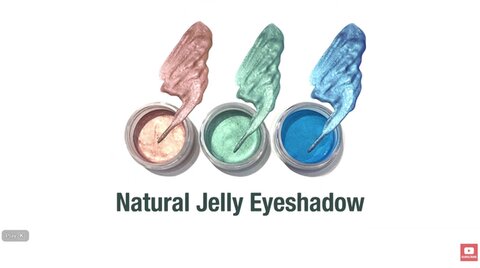
While you could add active ingredients - both in liquid or powder form - to powder eye shadows, you would need to test carefully to ensure the same results are obtained as when used in a liquid base.
Spot treatments for whitening and anti-acne
Consumers may have specific problems they want to hide - such as age spots or pimples - and liquid concealer formulas can be a fantastic base in which to add your whitening or anti-acne actives for even better results. Why just hide the problem when you can treat it at the same time?
Again, remember to use active cosmetic ingredients that are compatible with the continuous phase of the concealer formula to ensure homogenous distribution and best results. It may be best to use titanium dioxide as your opacifying agent in these types of active makeup formulas since a lot of coverage is typically required, and using zinc oxide can cause problems with active ingredient selection in water-based formulas because of its pH neutralising effect.
Lip gloss and balms for a plumping boost
Lip plumping formulas are not a new concept, so adding lip plumping actives to lip gloss formulas is an obvious solution. Be careful however, if you want to add lip plumping active ingredients to lipstick formulas as you will need to first check the heat compatibility of the active ingredient. If you are not sure, a cold process lip gloss can be an effective and ready solution. For instant effects, use high glossing lipids instead of irritating spice to give a rapid appearance of fuller-looking lips; a matte finish can diminish the appearance of size.
Get started creating hybrid cosmetic formulas today!
Try converting existing makeup formulas into hybrid cosmetics or active makeup - fast -where they are already in liquid form. Remember to check compatibility and solubility of your desired active ingredients and run efficacy checks with suitable volunteers. Using existing makeup formulas can often mean shortened stability testing for a more rapid approach to market entry too!
Alternatively, start creating and adding hybrid cosmetic formulas to your existing product range by using the tips above. Speak with your cosmetic suppliers about highly compatible cosmetic actives to suit your brand or concept needs, or hybrid active ingredients that make formulating these active makeup products even easier.
Happy formulating!