Column: CONSUMER PERSPECTIVE
Consumer Perspective: Putting Consumer Experience at the Heart of Waterless Innovation
About the Author
Michelle Niedziela
Michelle Niedziela (PhD), founder of Nerdoscientist, is a behavioral neuroscientist working in the consumer and market research space, integrating applied consumer neuroscience tools with behavioral science and traditional methods used to measure consumer response. Experienced from academia (Monell Chemical Senses Center) and industry (Johnson & Johnson, Mars Chocolate, HCD Research), helping organizations successfully implement cognitive science tools and programs into their products and research.

Michelle Niedziela
Nerdoscientist Consulting


About the Author
Annalisa Tito
Annalisa Tito is a registered and Licensed Dietitian. She is the manager of Scientific Affairs at Nutrition21. Katie holds a master’s degree in Nutrition and Dietetics with a concentration in sports nutrition. Katie has over 2,000 hours of experience working with the University of Miami’s football team, Broward Health Medical Center, Broward Sheriff’s Office, and JDS therapeutics.
Annalisa Tito
Registered and Licensed Dietitian
KEYWORDS —
WATERLESS BEAUTY;
SUSTAINABLE INNOVATION;
CONSUMER EXPERIENCE;
PRODUCT INNOVATION;
MULTISENSORY EXPERIENCE;
CONSUMER-CENTRIC DESIGN.
Abstract
Studies of major depressive disorder have been correlated with reduced Lactobacillus and Bifidobacteria and symptom severity has been correlated to changes in Firmicutes, Actinobacteria, and Bacteriodes. Gut microbiota that contain more butyrate producers have been correlated with improved quality of life (1).
A study in healthy women providing probiotic yogurt for four weeks showed an improvement in emotional responses as measured by brain scans (2). A subsequent study by Mohammadi et al. (3) investigated the impacts of probiotic yogurt and probiotic capsules over 6 weeks and found a significant improvement in depression-anxiety-stress scores in subjects taking the specific strains of probiotics contained in the yogurt or capsules. Other studies with probiotics have indicated improvements in depression scores, anxiety, postpartum depression and mood rating in an elderly population (4-7).
Other studies have indicated a benefit of probiotic supplementation in alleviating symptoms of stress. In particular, researchers have looked at stress in students as they prepared for exams, while also evaluating other health indicators such as flu and cold symptoms (1). In healthy people, there is an indication that probiotic supplementation may help to maintain memory function under conditions of acute stress.
“
“A study in healthy women providing probiotic yogurt for four weeks showed an improvement in emotional responses as measured by brain scans”
Recent discussions at consumer and sensory research conferences have brought into sharp focus a pressing challenge facing the beauty and personal care industry: reducing water usage without compromising the sensory experience. Morizet et al., have highlighted how consumer expectations, deeply rooted in the tactile, visual, and olfactory sensations of water-based formulations, pose unique behavioral and sensory challenges in the shift toward waterless products. Published in the International Journal of Cosmetic Science, the authors underscored that while water is often perceived as a neutral and abundant ingredient, it plays an essential role in creating the “feel-good” factor consumers associate with cleansing, moisturizing, and refreshing products.
Reducing water in personal care products often means rethinking key sensory elements that consumers expect. For example, traditional liquid cleansers rely on water to create a foamy, refreshing lather that signals cleanliness. Without water, alternative formats like powders or balms must replicate this sensation—perhaps through gentle bubbling or a silky texture—to reassure consumers that the product is just as effective and enjoyable to use. This highlights the challenge of delivering the same sensory satisfaction while innovating for sustainability.
The movement toward waterless beauty isn’t just a technical reformulation; it’s a seismic shift in how we think about and experience personal care. Consumers are increasingly motivated by sustainability and environmental responsibility, but how do they reconcile these values with their sensory and habitual preferences? Can waterless products truly deliver on the promise of efficacy, indulgence, and ease of use that water-based products have perfected over decades?
Boost collagen and elasticity
What It Is and Why It’s Growing
Why are consumers drawn to waterless beauty products? There are a few compelling reasons, especially from an environmental standpoint. First, water is a precious resource—despite covering about 70% of the planet, only around 3% of it is fresh and accessible. Second, eliminating water makes products lighter and more compact, reducing both packaging waste and the carbon footprint of shipping. Plus, without water, many formulations don’t require preservatives, since bacteria need water to thrive.
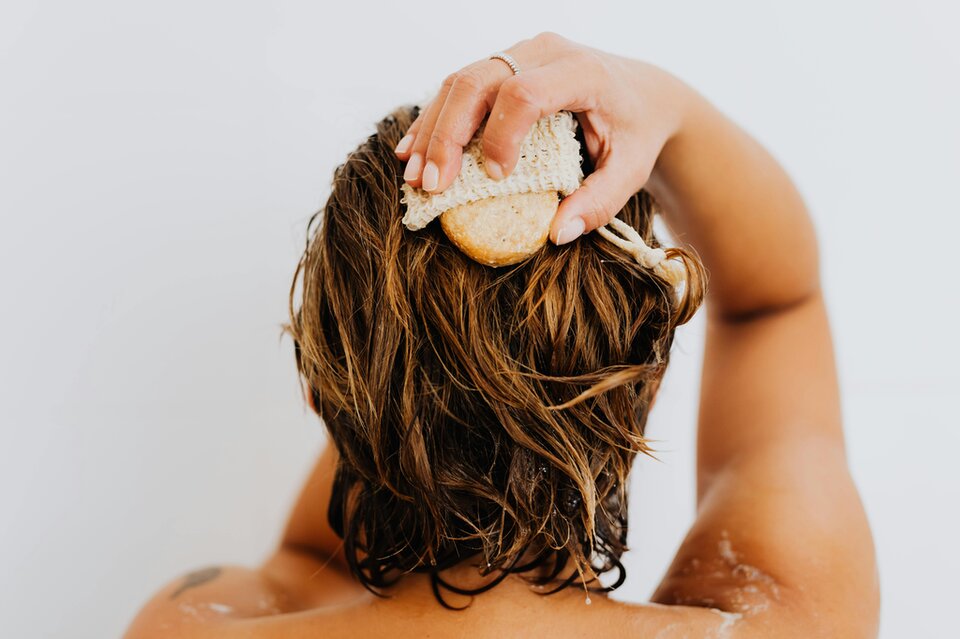
Right now, the most widely adopted waterless products are cleansers—solid shampoos, body washes, and face cleansers—because their formulas tend to be simpler, without the stability challenges of active-packed serums or creams. They also rinse off easily, meaning there’s less concern about how they feel on the skin or interact with makeup. Solid shampoos, once a niche concept, are now available for every hair type and budget, from mass-market options like Garnier to luxe picks from Christophe Robin and L’Occitane.
Beyond cleansers, some ingredients transition well to waterless formats—retinol, for instance, is oil-soluble, making it easy to formulate products like Drunk Elephant’s A-Gloei retinol oil. Other innovations, like Peace Out’s Retinol Face Stick (and its eye-specific version), push the category forward. Even sunscreens are going solid, with on-the-go options like Shiseido’s Clear Sunscreen Stick SPF50+ offering invisible, mess-free protection.
While waterless beauty started as a sustainability-driven shift, it’s evolving into a broader movement—one that could redefine how we think about all consumer products. The momentum is here, and it’s not slowing down.
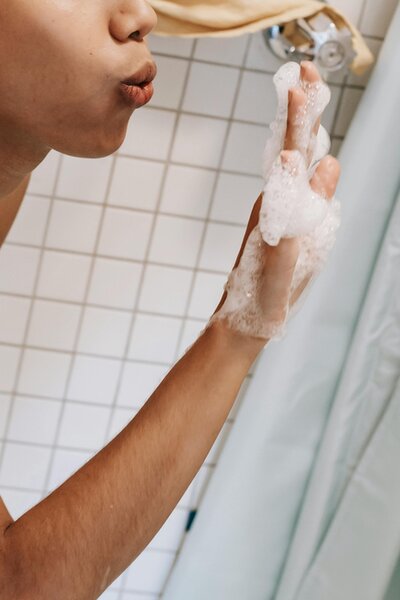
Innovations and Benefits of Going Waterless
Globally, billions of people face severe water stress, with the United Nations recognizing access to clean water as a fundamental human right and prioritizing water conservation within the Sustainable Development Goals to address its critical links to climate change, inequality, and global well-being (Wang et al., 2021). A significant portion of household water, energy, and CO2 emissions stems from showering, which not only contributes to water scarcity but also highlights the need to address water use in rinsing cosmetic products to reduce environmental impacts (Okamoto et al., 2015).
The beauty and personal care industry is undergoing a transformative shift with the rise of waterless formulations and products. The skincare market, valued at $184 billion in 2024, is projected to grow at a 7.5% CAGR through 2035, driven by trends such as waterless beauty products. These innovative products, ranging from powders and concentrates to balms and solids, help to eliminate water as a primary ingredient, aligning with consumer growing interest in sustainability goals and evolving preferences. By allowing consumers to add water at the point of use or leveraging alternative ingredients like oils and waxes, waterless products can be more environmentally-friendly by reducing packaging waste and transport weight while still delivering compact, effective solutions and consumer experiences.
However, waterless formulations can pose challenges. Water’s role in creating optimal consumer sensory experiences like smooth textures and easy application is hard to replicate, requiring innovative approaches to ensure sensory appeal and efficacy. Powders must dissolve smoothly, and solids must glide effortlessly onto the skin, meaning that innovations can require advanced chemistry and careful product design. Waterless products often introduce new usage habits (which can become barriers), making consumer education and convenience key to driving adoption and loyalty.
Motivations for Choosing Waterless Products
As the global environmental crisis intensifies, consumers are increasingly aware of the impact their choices have on the planet. Waterless products align with their desire to reduce water waste, support sustainable practices, and minimize their environmental footprint. However, beyond sustainability, these products also resonate with broader consumer trends and behavioral shifts.
Sustainability is often the primary motivator for consumers exploring waterless beauty. Many view these products as a tangible way to contribute to water conservation, particularly in regions where water scarcity is an urgent concern. Additionally, the reduced packaging and lower transportation emissions associated with waterless products appeal to those committed to reducing waste and lowering their carbon footprint.
Convenience is another key factor. Waterless products, such as solid shampoos or concentrated serums, are often compact, travel-friendly, and mess-free. For busy, on-the-go consumers, the ease of using and transporting these products adds significant value.
Health-consciousness also plays a role. Many waterless formulations require fewer preservatives and synthetic additives, as the absence of water reduces the risk of microbial growth. This appeals to consumers seeking clean beauty options that are perceived as safer and more natural.
Designing for a Waterless Future
The future of waterless beauty lies in its ability to innovate while staying attuned to consumer desires and behaviors. By leveraging neuroscience and behavioral science, brands can navigate the challenges of adoption and create products that resonate emotionally and practically with their audiences.
Neuro- and behavioral sciences have shown that consumer decisions are heavily influenced by emotional triggers. In the context of waterless beauty, the emotional drivers often revolve around sustainability, self-identity, and the desire for products that align with personal values. Consumers are drawn to brands that make them feel part of a larger mission, such as protecting the planet or reducing waste. Emotional messaging that taps into these values can strengthen brand loyalty and foster trust. However, practical drivers can be equally critical and shouldn’t be left behind. Consumers need waterless products to seamlessly fit into their routines without requiring significant changes in behavior, as mentioned in the before mentioned Morizet paper. Highlighting the ease of use, travel-friendliness, and concentrated effectiveness of waterless formulations can address practical concerns and reinforce their value proposition.
Behavioral science offers powerful tools for designing waterless beauty products and marketing strategies. For instance, principles like habit formation and behavioral nudges can help encourage consumers to adopt new formats (Labrecque et al., 2016). Packaging that visually communicates sustainability and efficacy, or product trials that let consumers experience the benefits firsthand, can serve as effective nudges. Framing waterless products as innovative rather than inconvenient can shift perceptions. Behavioral cues, such as including simple instructions or demonstrating the product’s performance through interactive media, can help bridge the gap between unfamiliarity and adoption.
Waterless beauty has the potential to redefine how consumers perceive luxury and performance in personal care. Traditionally, luxury has been associated with rich textures and indulgent experiences often tied to water-based formulations. Waterless beauty challenges this by offering concentrated potency, minimalist design, and eco-conscious branding, to the modern consumer’s evolving definition of sophistication. Performance, similarly, can be reimagined. Neuroscience emphasizes the importance of multisensory experiences in shaping consumer perceptions. Waterless products can deliver on performance by creating satisfying sensory experiences through alternative ingredients, innovative packaging, and textures that replicate or enhance the traditional feel of water-based products.
Conclusion: Revolutionizing Beauty with Waterless Innovation
Waterless beauty represents a shift in the personal care industry, merging innovation with sustainability to address pressing environmental challenges and evolving consumer expectations. By reducing water usage, these products contribute to global conservation efforts while offering enhanced potency, longer shelf life, and eco-friendly appeal. Certainly an admirable movement. However, the success of waterless beauty hinges on one critical factor: consumer satisfaction.
To ensure that waterless products deliver on both performance and experience, brands must prioritize rigorous sensory testing combined with behavioral science approaches. Sensory testing enables brands to understand how textures, scents, and application methods influence consumer perceptions and emotional responses. Integrating these insights with behavioral science frameworks helps uncover deeper motivations, habitual barriers, and the nuanced drivers behind purchase decisions. This dual approach not only ensures that products meet the highest standards of quality and usability but also enhances the likelihood of adoption by addressing emotional and practical needs. By designing with the consumer in mind, brands can redefine luxury and performance in personal care, making waterless beauty not just an environmentally conscious choice but also an indulgent and effective one.
For instance, a powder cleanser could incorporate gentle bubbling or a silky texture upon activation with water, mimicking the refreshing lather of liquid cleansers to signal cleanliness and efficacy. Similarly, a solid moisturizer might be designed to melt effortlessly into the skin, providing the same luxurious, smooth application consumers expect from cream-based products. Sensory testing and consumer-centric design can ensure that waterless formulations deliver the same satisfaction while aligning with sustainability goals.
The call to action for brands is clear: prioritize consumer-centric innovation while committing to sustainability. Invest in understanding how consumers interact with waterless products and align these insights with their values and aspirations. By doing so, brands can lead the charge in shaping a future where beauty products are both planet-friendly and deeply satisfying for the people who use them.
Studies of major depressive disorder have been correlated with reduced Lactobacillus and Bifidobacteria and symptom severity has been correlated to changes in Firmicutes, Actinobacteria, and Bacteriodes. Gut microbiota that contain more butyrate producers have been correlated with improved quality of life (1).
A study in healthy women providing probiotic yogurt for four weeks showed an improvement in emotional responses as measured by brain scans (2). A subsequent study by Mohammadi et al. (3) investigated the impacts of probiotic yogurt and probiotic capsules over 6 weeks and found a significant improvement in depression-anxiety-stress scores in subjects taking the specific strains of probiotics contained in the yogurt or capsules. Other studies with probiotics have indicated improvements in depression scores, anxiety, postpartum depression and mood rating in an elderly population (4-7).
Other studies have indicated a benefit of probiotic supplementation in alleviating symptoms of stress. In particular, researchers have looked at stress in students as they prepared for exams, while also evaluating other health indicators such as flu and cold symptoms (1). In healthy people, there is an indication that probiotic supplementation may help to maintain memory function under conditions of acute stress.
References and notes
- Labrecque, J. S., Wood, W., Neal, D. T., & Harrington, N. (2017). Habit slips: When consumers unintentionally resist new products. Journal of the Academy of Marketing Science, 45, 119-133.
- Morizet, D., Aguiar, M., Campion, J. F., Pessel, C., De Lantivy, M., Godard, C., & Dezeure, J. (2023). Water consumption by rinse‐off cosmetic products: The case of the shower. International Journal of Cosmetic Science, 45(5), 627-635.
- Nazish, N. (2021, August 31). Everything you need to know about waterless beauty. Forbes. Retrieved fromhttps://www.forbes.com/sites/nomanazish/2021/08/31/everything-you-need-to-know-about-waterless-beauty/
- Okamoto, M., Yaita, R., Sato, M., Kamijo, M., Toyosada, K., Shimizu, Y., ... & Cheng, C. L. (2015). Comparison of the physical properties of showers that the satisfaction of shower feeling among users in three asian countries. Water, 7(8), 4161-4174.
- Olsen, M. C., Slotegraaf, R. J., & Chandukala, S. R. (2014). Green claims and message frames: How green new products change brand attitude. Journal of Marketing, 78(5), 119-137.
- Schneider, J. (2023, November). How consumers' emotional responses guide decision-making. Psychology Today. Retrieved fromhttps://www.psychologytoday.com/us/blog/consumer-psychology/202311/how-consumers-emotional-responses-guide-decision-making
- Wang, D., Hubacek, K., Shan, Y., Gerbens-Leenes, W., & Liu, J. (2021). A review of water stress and water footprint accounting. Water, 13(2), 201.
- Yahoo Finance. (2024, October 1). Skincare market industry: Megatrends and forecasts. Retrieved fromhttps://finance.yahoo.com/news/skincare-market-industry-megatrends-forecasts-104300392.html