ADVERTORIAL

The New Anti-Hair Loss Era: Skinification, Multifunctional Science with Proven Efficacy
Zurko Research S.L.
E-mail: info@zurkoresearch.com
Tel: +34 915 211 588
Website: www.zurkoresearch.com
LinkedIn: www.linkedin.com/company/zurkoresearch
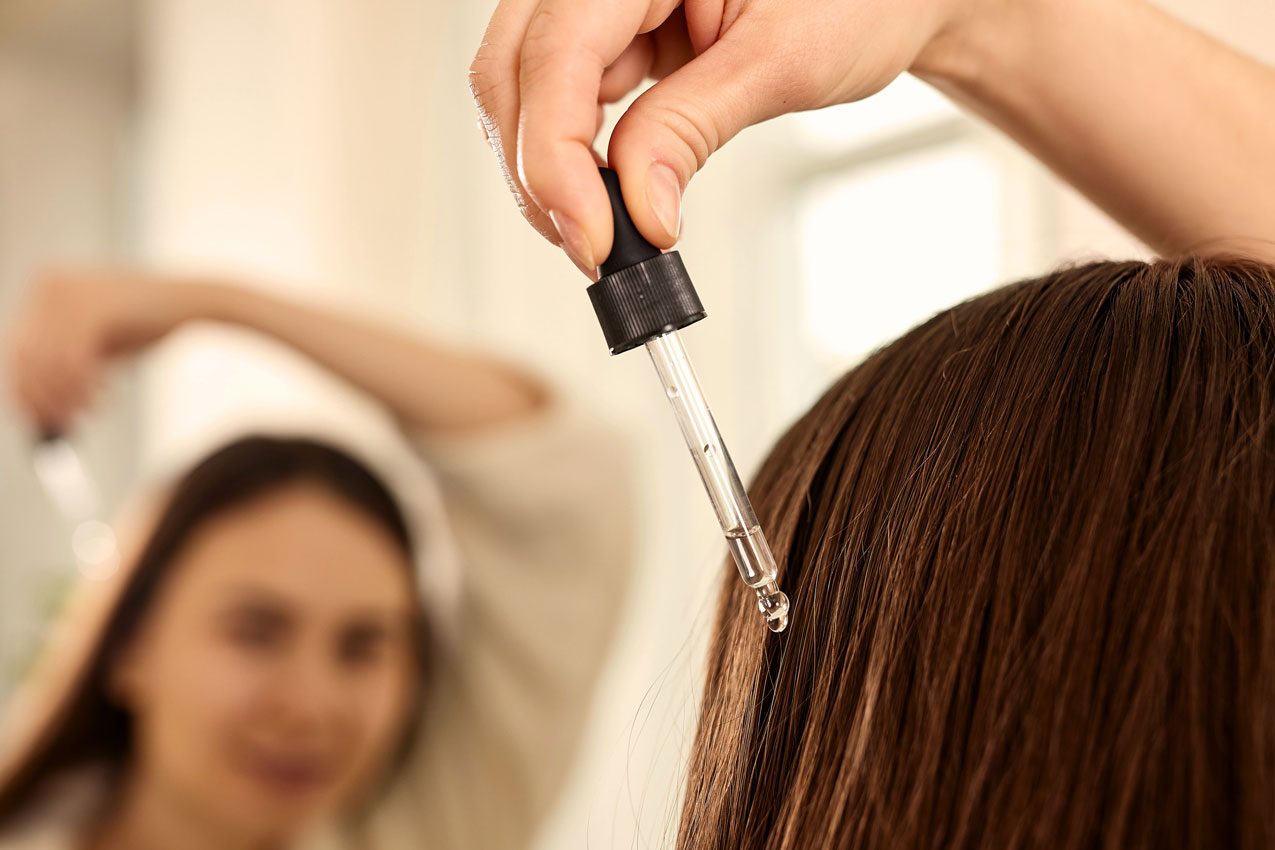
With the arrival of summer, hair begins to suffer the accumulated effects of environmental stress, UV radiation, and hormonal changes. This scenario is the silent prelude to seasonal hair loss, which manifests strongly in autumn. In this context, the cosmetic industry is undergoing an interesting evolution: the incorporation of classic facial care actives into anti-hair loss treatments—a trend that not only responds to biological logic but also to a growing demand for more comprehensive, preventive, and sensorial products.
Skinification of Hair Care: A Consolidated Strategy
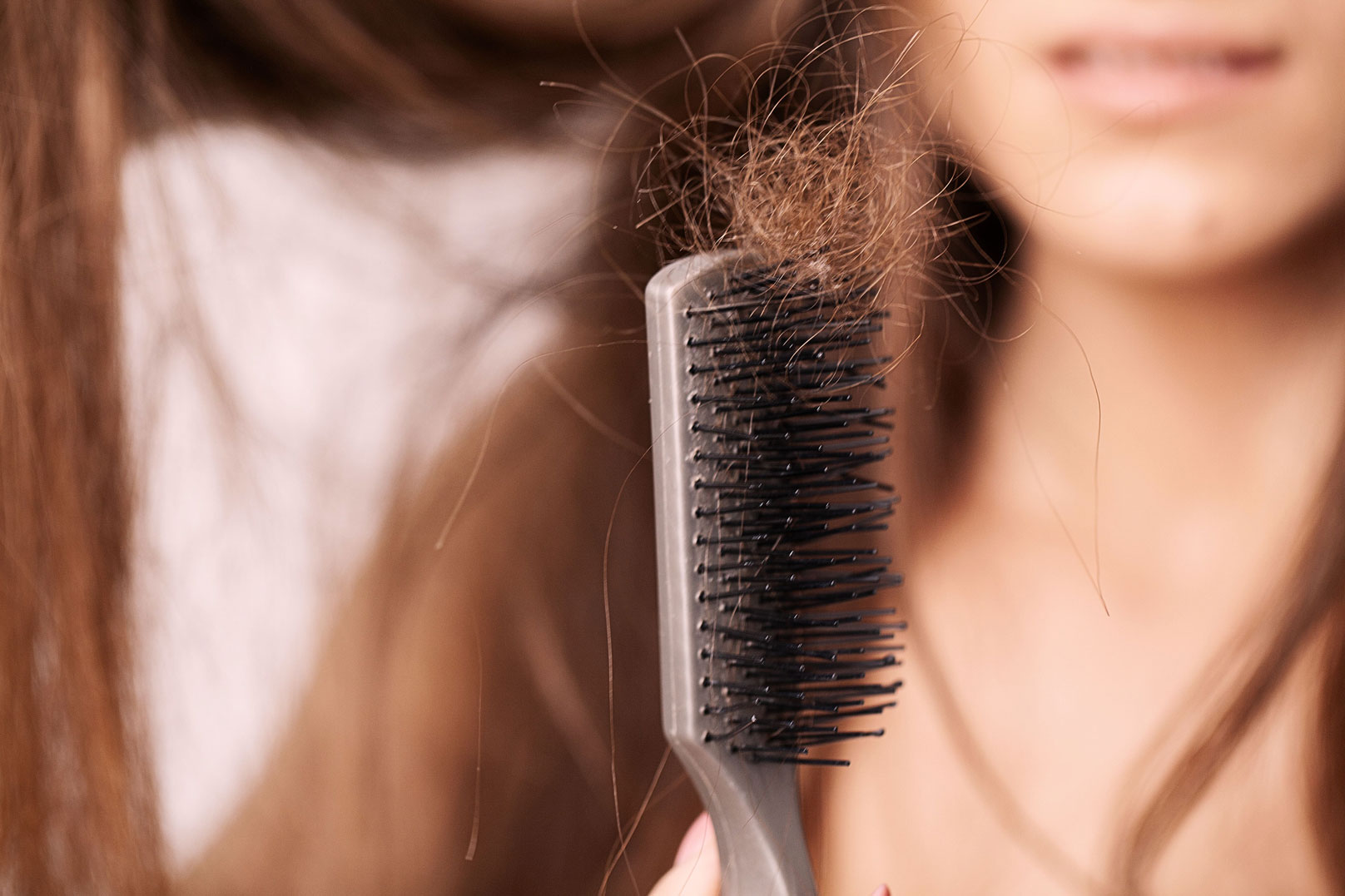
The term “skinification” refers to treating the skin of the scalp as we treat facial skin, with routines, premium actives, and tangible results. Scalp care now includes personalized routines, gentle exfoliation, and weekly treatments reminiscent of those used in facial dermocosmetics.
This shift also responds to consumers' increasing desire for rituals that merge wellness and performance. The scalp is no longer treated as a separate entity, but as the foundational skin of hair beauty. By adopting familiar skincare steps—like layering serums, applying soothing masks, or boosting barrier protection—haircare becomes a more immersive, self-care experience, connecting efficacy with emotional well-being.
Skinification means applying the principles of facial care to the scalp, and it has moved from being a niche trend to becoming a solid innovation strategy. Ingredients such as niacinamide, hyaluronic acid, biomimetic peptides, or centella asiatica—traditionally used to treat wrinkles, dehydration, or skin inflammation—are now finding a place in hair formulas designed to stimulate the hair follicle, improve microcirculation, and create a favorable environment for hair growth.
This evolution responds both to the scientific evidence supporting the influence of the follicle’s environment on hair health and to the expectations of today’s consumers, who seek visible, immediate results with premium sensorial qualities.
Several facial care actives are showing direct benefits for hair health, especially in strengthening the follicle and improving the scalp environment. Key examples include:
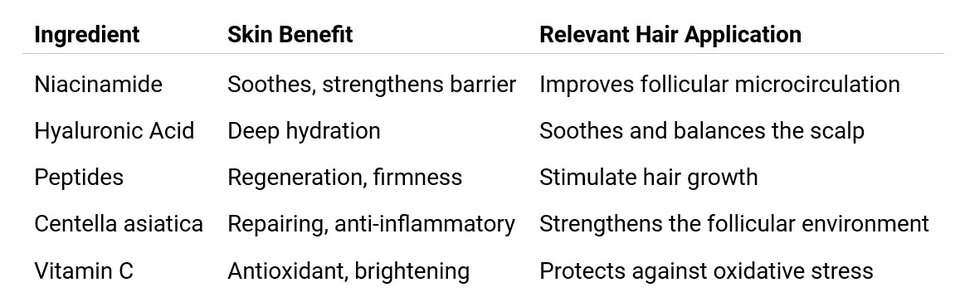
This synergy between skin and hair actives not only broadens formulation possibilities but also enables a coherent narrative with current consumer habits: a holistic care routine, from face to scalp.
Seasonal Testing: The Cornerstone of Anti-Hair Loss Credibility
In a market saturated with products making unverifiable claims, clinical testing stands out as the true differentiator. Especially for anti-hair loss treatments, where results are measured over weeks or months, having objective, validated data is essential for gaining the trust of consumers and distribution channels.
But it’s not just about “testing”; when the testing occurs is crucial. Autumn—the season with the highest rate of hair loss—becomes a strategic window to demonstrate the real effectiveness of any hair formulation.
To credibly validate an anti-hair loss treatment, we recommend integrating the following pillars into the study:
- Longitudinal design (minimum 90 days, ideally 150 days), with spaced visits to observe progress, aiming to measure cumulative effects and lasting benefits.
- Clinically validated phototrichographic evaluation: density, thickness, number of hairs per cm², and percentage of follicles in anagen and telogen phases.
- Clinical assessments by dermatologists: scalp tolerance, visibility of the scalp, signs of inflammation.
- Self-perception surveys: hair loss in the shower, hair on the pillow, perceived volume or strength.
- Mixed panels by gender, age, and hair loss pattern: enables segmented and extrapolatable results.
- Comparative groups: test vs. control, placebo, or classic formulation.
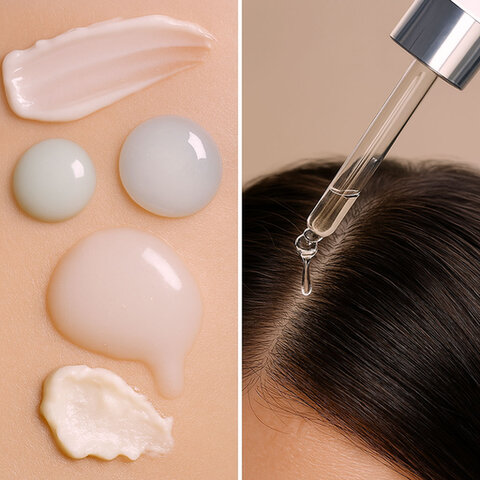
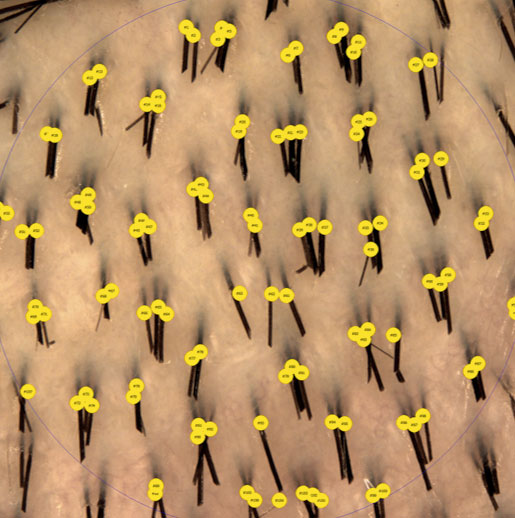
Beyond marketing claims, clinical studies also become key tools for optimizing the formulation itself. They allow the evaluation of scalp tolerance to actives like niacinamide, AHAs, or peptides; determination of the most suitable application frequency based on observed evolution; and comparison of formula versions with and without certain ingredients to identify their real differentiating value. In addition, they provide qualitative user insights that can be decisive when adjusting product positioning in the market.
In a context where cosmetic innovation intertwines with science and sensoriality, integrating skincare actives into anti-hair loss formulas represents a logical and strategic evolution. If this is combined with a well-planned clinical study conducted in the critical season, the result is a solid, validated, and distinctive value proposition. The combination of skinification and seasonal testing not only anticipates trends but also consolidates credibility and competitiveness in the haircare market.
At Zurko Research, we specialize in designing and conducting clinical studies tailored to your product’s needs. From customized protocols to in-depth dermatological assessments, we help you validate your anti-hair loss claims with scientific rigor and market-ready credibility. Contact us to bring your next haircare innovation to life!
ABOUT US
Gale & Cosm offers a wide range of Personal Care ingredients, many of which are registered with the Vegan Society, and are COSMOS and HALAL approved. Research and innovation are the core of the Company.
Our Company is specialized in natural-derived emulsifiers, water soluble and dispersible oils, and our lines include ingredients which are perfect to enrich personal care formulations. All ingredients are characterized by emolliency and eudermic properties, and are very easy to include in different types of preparations.
Contact
info@galecosm.com
web: www.innospec.com
www.galecosm.com

References and notes
- https://www.skincancer.org/skin-cancer-information/skin-cancer-facts/#aging
- Green AC, Williams GM, Logan V, Strutton GM. Reduced melanoma after regular sunscreen use: randomized trial follow-up. J Clin Oncol 2011; 29(3):257-263. https://pubmed.ncbi.nlm.nih.gov/21135266/