Column: CONSUMER PERSPECTIVE
Buzz, Glow, Fade?
The Behavioral Science of Beauty Device UX
About the Author
Michelle Niedziela
Michelle Niedziela (PhD), founder of Nerdoscientist, is a behavioral neuroscientist working in the consumer and market research space, integrating applied consumer neuroscience tools with behavioral science and traditional methods used to measure consumer response. Experienced from academia (Monell Chemical Senses Center) and industry (Johnson & Johnson, Mars Chocolate, HCD Research), helping organizations successfully implement cognitive science tools and programs into their products and research.

Michelle Niedziela
Nerdoscientist Consulting


About the Author
Annalisa Tito
Annalisa Tito is a registered and Licensed Dietitian. She is the manager of Scientific Affairs at Nutrition21. Katie holds a master’s degree in Nutrition and Dietetics with a concentration in sports nutrition. Katie has over 2,000 hours of experience working with the University of Miami’s football team, Broward Health Medical Center, Broward Sheriff’s Office, and JDS therapeutics.
Annalisa Tito
Registered and Licensed Dietitian
KEYWORDS —
BEAUTY DEVICES;
SKINCARE TECHNOLOGY;
BEHAVIORAL SCIENCE;
CONSUMER ADHERENCE;
USER EXPERIENCE (UX);
CONSUMER PSYCHOLOGY;
COSMETIC COMPLIANCE.
Abstract
Studies of major depressive disorder have been correlated with reduced Lactobacillus and Bifidobacteria and symptom severity has been correlated to changes in Firmicutes, Actinobacteria, and Bacteriodes. Gut microbiota that contain more butyrate producers have been correlated with improved quality of life (1).
A study in healthy women providing probiotic yogurt for four weeks showed an improvement in emotional responses as measured by brain scans (2). A subsequent study by Mohammadi et al. (3) investigated the impacts of probiotic yogurt and probiotic capsules over 6 weeks and found a significant improvement in depression-anxiety-stress scores in subjects taking the specific strains of probiotics contained in the yogurt or capsules. Other studies with probiotics have indicated improvements in depression scores, anxiety, postpartum depression and mood rating in an elderly population (4-7).
Other studies have indicated a benefit of probiotic supplementation in alleviating symptoms of stress. In particular, researchers have looked at stress in students as they prepared for exams, while also evaluating other health indicators such as flu and cold symptoms (1). In healthy people, there is an indication that probiotic supplementation may help to maintain memory function under conditions of acute stress.
“
“A study in healthy women providing probiotic yogurt for four weeks showed an improvement in emotional responses as measured by brain scans”
It buzzes, it glows, it promises spa-like skin from the comfort of home. At first, the excitement is real. But then it quietly slips into the drawer next to the jade roller and unused serums.
While many consumers might initially dive into beauty tech with enthusiasm, studies suggest that long-term use often declines. This abandonment is influenced by psychological and biological realities. Factors like skin adaptation, the pursuit of immediate results, and habituation can all undermine even the most high-tech skincare rituals. The brain craves novelty and reward. And if a device stops delivering quick wins, it’s easy to abandon the routine.
Research on wearable and personal health devices shows that users often abandon them shortly after purchase, especially when they don’t fit into established routines or deliver clear, observable benefits. Cosmetic creams also suffer from consumer attrition. In fact, a 2025 skincare market review reports high dropout rates when routines lack emotional or sensory appeal, especially when engagement fades over time. A related clinical study found that texture and sensory factors, such as stickiness or greasiness, strongly influenced whether users continued an anti-aging moisturizer, even when it was proven to work. These insights underscore that feel matters and that without it, both products and devices risk being abandoned, no matter how effective they may be. Given that beauty devices often require consistent, repeated use for delayed results, we see a comparable pattern of early enthusiasm followed by decline, deeply influenced by psychological (e.g., reduced novelty or motivation) and biological factors (e.g., skin adaptation).
But the story isn’t just about tech fatigue, it’s really about behavior. Some users form strong habits or develop loyalty based on brand trust and fear of losing progress, even without clear visible results. Others drop off when promised benefits fade or become hard to perceive.
In this article, we explore how behavioral neuroscience can explain why some beauty devices become beloved rituals and why others don’t make it past the unboxing. If we want these innovations to succeed, we need to stop thinking only in terms of features and start thinking in terms of feelings, friction, and follow-through.
The Rise of At-Home Beauty Devices
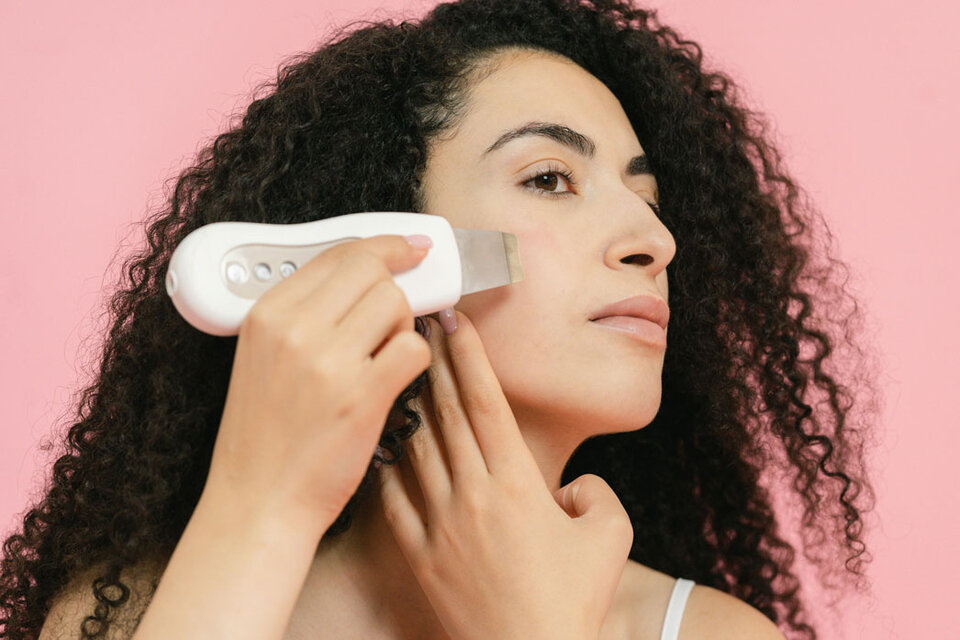
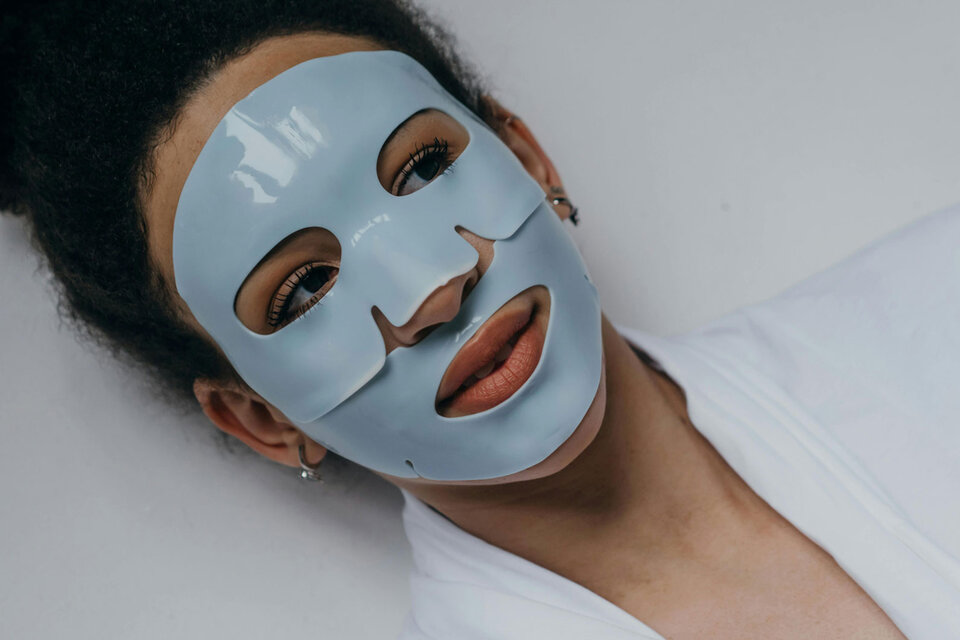
At-home beauty devices now include everything from LED masks and ultrasonic cleansers to microcurrent and radiofrequency tools. As the global market soars past $44 billion, consumers are seeking professional-grade results without leaving their bathroom. A 2023 analyst report placed the consumer beauty devices market at $17.1 billion, with projections nearing $92 billion by 2030, a sign of the category's explosive growth and widespread appeal. Much of this is driven by convenience, cost-effectiveness, and the allure of technological sophistication. Devices using LED, ultrasonic, and RF technology are especially attractive for their perceived spa-like benefits and advanced skin care potential.
However, consumer sentiment suggests a more nuanced picture when it comes to actual usage. In a recent brand-conducted survey, while 35% of respondents reported using their devices several times a week and 19% claimed daily use, a notable segment (10%) said they rarely use the devices, and another 9% admitted to never using them at all. This variability underscores a critical behavioral insight: while adoption is high, sustained engagement is far from guaranteed. Many consumers report abandoning their devices due to unmet expectations, lack of visible results, or difficulty incorporating them into daily routines. Common barriers include product cost, limited information on proper use, the time commitment required, and perceived technical complexity. These challenges highlight the gap between what beauty devices promise and what they actually deliver in the eyes of the consumer, a gap that can make or break long-term adherence.
Initial Excitement Meets Human Psychology
Beauty devices often make a dazzling first impression. They promise transformation, they look futuristic, and they appeal to our desire for self-care and control. This initial phase is shaped by cognitive biases:
- Aesthetic usability effect: Attractive products are perceived as more effective.
- Anticipated reward: We expect results quickly, especially if the price tag is high.
But then the shine begins to dull. If a user doesn’t see fast, tangible results, the brain discounts future rewards (a behavioral bias called temporal discounting). If using the device adds friction to the daily routine (cleaning, charging, syncing to an app), motivation drops further.
Even small inconveniences (like remembering to charge the device, unclear instructions, or an overly long usage time) can erode motivation. The more effort it takes to start or complete a skincare session, the more likely the brain will assign it a higher "activation cost," lowering the odds it becomes a habit. Add to that the lack of immediate sensory or emotional payoff, and many users begin to question the value of continuing. Without instant or near-term reinforcement, the experience starts to feel more like a chore than a ritual, creating the perfect storm for abandonment.
UX Design: Where Neuroscience Meets Ritual
After the initial excitement wears off and the novelty fades, what keeps a user coming back to a beauty device isn’t just its clinical promise, it’s the experience it delivers. To counteract the common drop-off in use, the user experience (UX) of beauty devices should align with behavioral principles that promote habit formation, emotional engagement, and perceptual feedback. This is where neuroscience meets design, and where product success is decided.
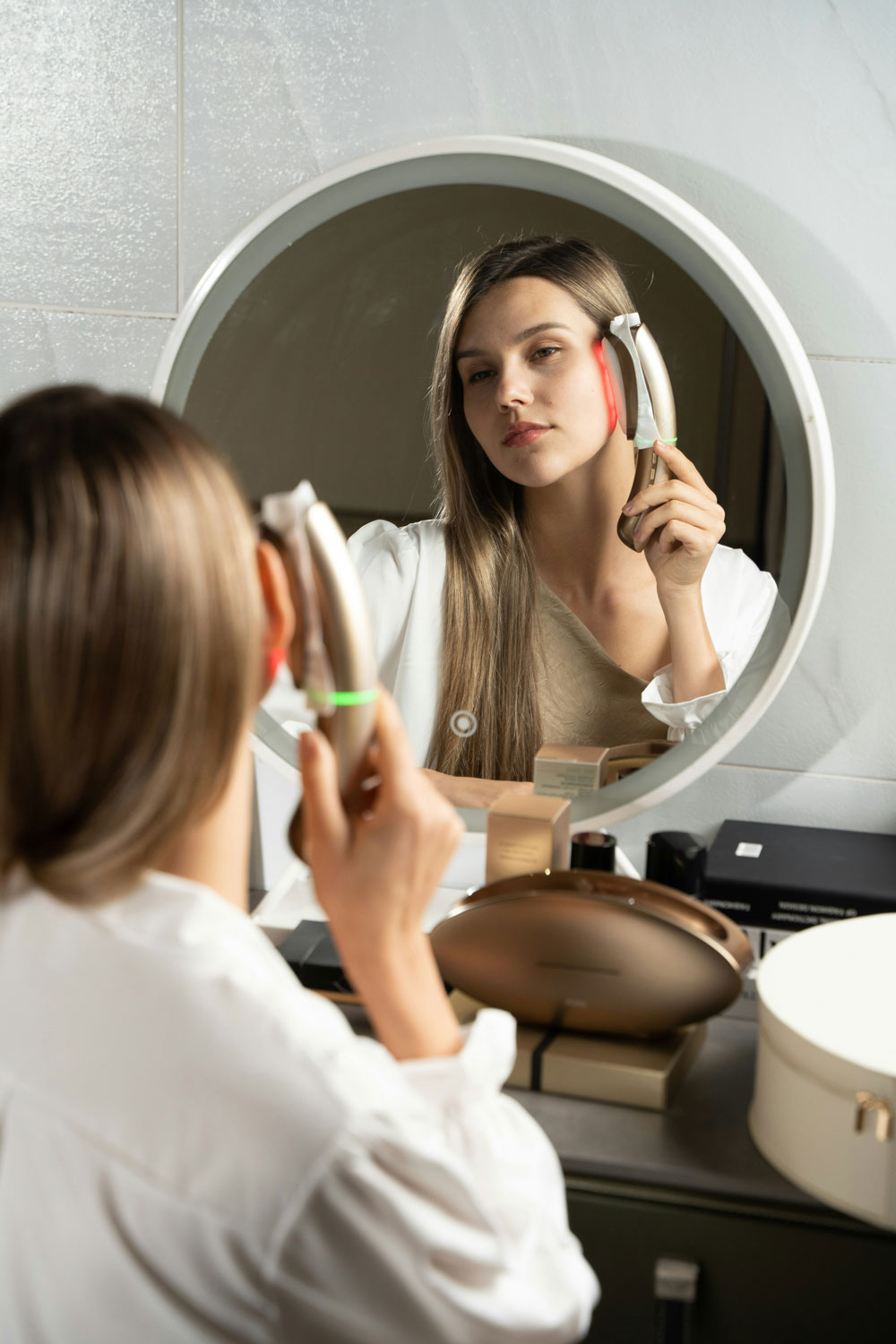
One foundational strategy is providing immediate reinforcement. Our brains are wired to seek out quick wins, and devices that offer satisfying sensory feedback (like warmth, gentle vibration, or subtle light pulses) can make the experience feel enjoyable, even if visible results take weeks to develop. This kind of instant gratification triggers emotional reward pathways in the brain and increases the chance that users will return. Behaviors reinforced immediately are more likely to be repeated, triggering positive emotional responses even if the clinical effects take weeks to emerge.
Equally important is ease of integration. Devices that require minimal setup, have intuitive interfaces, and can be seamlessly folded into an existing skincare routine are more likely to be used regularly. The principle of "frictionless design" supports this: when the cognitive and physical effort to initiate a task is low, adherence increases. Think of it like applying a serum. If using a device feels just as simple and quick, users are more inclined to make it a daily ritual. When effort is minimized, activation energy is reduced, and routine use becomes far more likely.
Another valuable component is progress tracking. Consumers are more likely to stick with a product when they can see that it’s working. Whether it’s app-based visualizations, in-device indicators, or even time-stamped selfies, these feedback loops validate the effort and reinforce the behavior. The concept of self-monitoring, rooted in behavioral psychology, shows that visible signs of progress enhance motivation and perceived efficacy.
Finally, emotional resonance gives routines staying power. When a beauty device becomes a source of calm, energy, or confidence (not just results) it transcends function and taps into deeper psychological needs. Rituals that evoke positive emotion create stronger mental associations. As Duhigg (2012) explains in his habit loop model, it’s not just the routine that matters, it’s the emotional reward tied to it. When a product supports identity (“I take care of myself”), it becomes more than a tool; it becomes a trusted part of one’s self-care narrative.
Together, these elements (reinforcement, ease, feedback, and emotion) demonstrate how smart UX design, informed by behavioral science, can transform beauty devices from fleeting fascinations into lasting habits.
The Takeaway: Design for Behavior, Not Just Results
Behavioral science reveals that success in beauty tech isn’t just about technological innovation. It’s about psychological alignment and designers, product developers and marketers need to understand that our brains are wired for immediacy, novelty, and emotion. Long-term engagement depends on reinforcing these aspects through smart, human-centered UX. Otherwise, even the best device risks becoming just another abandoned promise.
The future of beauty devices depends on what happens after the first use. If we want to make beauty tech that truly sticks, we need to go beyond surface-level design and start engineering for behavior. Because glow-worthy skin might start with tech, but it will endure through habit.
Studies of major depressive disorder have been correlated with reduced Lactobacillus and Bifidobacteria and symptom severity has been correlated to changes in Firmicutes, Actinobacteria, and Bacteriodes. Gut microbiota that contain more butyrate producers have been correlated with improved quality of life (1).
A study in healthy women providing probiotic yogurt for four weeks showed an improvement in emotional responses as measured by brain scans (2). A subsequent study by Mohammadi et al. (3) investigated the impacts of probiotic yogurt and probiotic capsules over 6 weeks and found a significant improvement in depression-anxiety-stress scores in subjects taking the specific strains of probiotics contained in the yogurt or capsules. Other studies with probiotics have indicated improvements in depression scores, anxiety, postpartum depression and mood rating in an elderly population (4-7).
Other studies have indicated a benefit of probiotic supplementation in alleviating symptoms of stress. In particular, researchers have looked at stress in students as they prepared for exams, while also evaluating other health indicators such as flu and cold symptoms (1). In healthy people, there is an indication that probiotic supplementation may help to maintain memory function under conditions of acute stress.
References and notes
Broder, F. (2025, January 16). Exploring consumer sentiment: The rise of beauty devices. Revuze. Retrieved June 18, 2025, from https://www.revuze.it/blog/exploring-consumer-sentiment-rise-beauty-devices/
Cockett, S. (2025, June). 13 best LED face masks 2025, reviewed over 5 years. Glamour UK. Retrieved June 18, 2025, from https://www.glamourmagazine.co.uk/gallery/led-face-masks
Duhigg, C. (2012). The power of habit: Why we do what we do in life and business (Vol. 34, No. 10). Random House.
https://www.linkedin.com/pulse/why-customers-repurchase-anti-aging-skincare-more-than-tzyze/Fadhil, A. (2019). Beyond technical motives: Perceived user behavior in abandoning wearable health & wellness trackers. arXiv preprint arXiv:1904.07986.
Fogg, B. J. (2009, April). A behavior model for persuasive design. In Proceedings of the 4th international Conference on Persuasive Technology (pp. 1-7).
Idalgo Vasques, L., & Ricci Leonardi, G. (2023). User experience in cosmetics: Perception analysis regarding the use of an anti-aging moisturizer. Cosmetics, 10(1), 33.
Kwarteng, A. (2021, March 31). Ultrasonic skin scrubbers are the exfoliating tool you need to know about. Cosmopolitan. Retrieved June 18, 2025, from https://www.cosmopolitan.com/style-beauty/beauty/g35967289/best-ultrasonic-skin-scrubbers/
Medina Gutierrez, P. M. (2024, August 28). The rise of at‑home skincare devices. PoweredX Beauty Buddy. Retrieved June 18, 2025, from https://www.glamourmagazine.co.uk/gallery/led-face-masks
Polizzotto, T., & Lee, C. (2024, December 20). The 8 best microcurrent devices for a snatched jawline in minutes. ELLE. Retrieved June 18, 2025, from https://www.elle.com/beauty/g41888770/best-microcurrent-devices/
Rizzi, V., Gubitosa, J., Fini, P., & Cosma, P. (2021). Neurocosmetics in skincare—the fascinating world of skin–brain connection: a review to explore ingredients, commercial products for skin aging, and cosmetic regulation. Cosmetics, 8(3), 66.
Rodríguez, B., Arboleda, A., & Reinoso-Carvalho, F. (2025). Reshaping the experience of topical skincare products: A multisensory approach for promoting loyalty and adherence. Heliyon.
Sonderegger, A., Zbinden, G., Uebelbacher, A., & Sauer, J. (2012). The influence of product aesthetics and usability over the course of time: a longitudinal field experiment. Ergonomics, 55(7), 713-730.
Taylor, O., Rossi, M., Lee, J., & Hernandez, M. (2024). Behavioral Economics in Consumer Decision-Making: Analyzing the Impact of Cognitive Biases. International Journal of Management, Business, and Economics, 1(1).
Vhaduri, S., & Prioleau, T. (2020, May). Adherence to personal health devices: A case study in diabetes management. In Proceedings of the 14th EAI International Conference on Pervasive Computing Technologies for Healthcare (pp. 62-72).
Zehner, T. (2023, July 17). Why customers repurchase anti-aging skincare more than any other beauty product. LinkedIn. https://www.linkedin.com/pulse/why-customers-repurchase-anti-aging-skincare-more-than-tzyze/