Panel discussion on...
How AI is Speeding
Up Beauty & Personal Care Innovation
About the Author
Dr. Anastasiia Kharina, MSc

Senior Regulatory Affairs Expert, Angel Consulting Srl
AI in Claims Substantiation and Marketing Governance: An EU Regulatory Perspective
Artificial intelligence is increasingly integrated into beauty and personal care innovation, including efficacy testing and marketing communication. However, within the European Union, cosmetic claims remain governed by clear legal principles under Regulation (EC) No 1223/2009 and Commission Regulation (EU) No 655/2013. Regardless of technological advancement, claims must comply with the six common criteria: legal compliance, truthfulness, evidential support, honesty, fairness, and informed decision-making.
AI does not alter these obligations. It must operate within them.
AI in Efficacy Testing and Substantiation
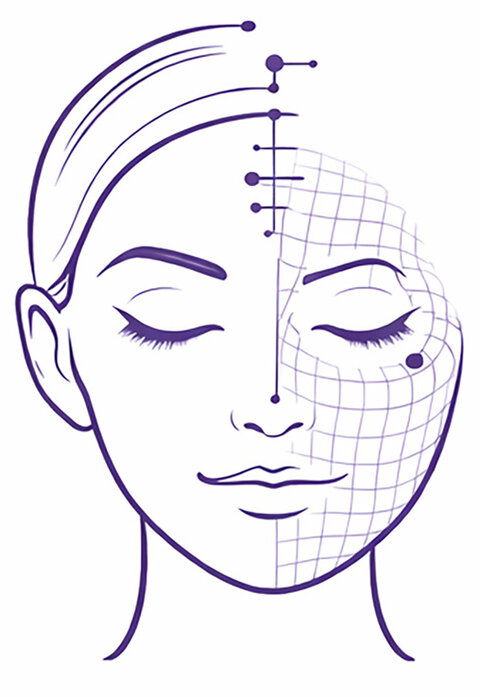
AI is most visibly applied in clinical image analysis. Machine learning systems can quantify wrinkles, pigmentation, erythema, or hair fiber parameters with improved reproducibility compared to manual grading. From a compliance standpoint, this may reduce subjective variability and strengthen standardization.
However, AI-assisted endpoints must be properly validated. Evidence included in the Product Information File (PIF) must remain robust, reproducible, and scientifically sound. Validation should include:
- Demonstration of accuracy and repeatability
- Defined scope and limitations
- Documentation of methodology
- Evidence of dataset representativeness
Without proper validation, AI-generated outputs may fail to meet the “adequate and verifiable evidence” requirement under Regulation (EU) No 655/2013.
AI is also used to analyze multi-parameter datasets and identify trends or responder subgroups. While these tools enhance analytical efficiency, they must not lead to overstated claims. Statistical findings should be interpreted proportionately and reflected accurately in claim language.
Predictive modeling presents additional regulatory boundaries. AI-based ingredient screening may support hypothesis generation but cannot substitute for empirical testing. Predictive insights alone do not constitute substantiation. Presenting modeled outcomes as demonstrated efficacy would conflict with the principles of truthfulness and fairness.
AI in Marketing Claim Development
Generative AI tools are increasingly used to draft and optimize marketing claims. While these systems improve workflow efficiency, they introduce compliance risks. AI-generated text may:
- Exaggerate performance
- Use superlative or absolute terminology
- Imply medicinal effects
- Generalize beyond tested populations
Under EU law, the Responsible Person remains accountable for ensuring that claims comply with legislation. The use of AI does not shift this responsibility. Marketing content generated by AI must undergo regulatory review before publication.
Claims must remain directly traceable to documented evidence in the PIF. Any benefit statement must reflect the strength and context of available data. AI outputs should therefore be treated as drafts, not finalized compliant claims.
Although the Safety Assessor’s primary responsibility relates to product safety, the broader compliance framework requires alignment between safety evaluation, substantiation data, and claim language. Misalignment between marketing communication and documented evidence may create regulatory exposure.
Key Regulatory Risks
Data Bias and Representativeness
AI systems trained on limited or non-representative datasets may generate skewed analyses. Claims suggesting broad efficacy must be supported by appropriately representative testing populations. Inclusivity is both an ethical and regulatory expectation under the fairness and informed decision-making criteria.
Transparency and Explainability
Substantiation must be defensible. “Black box” systems are incompatible with regulatory expectations. Documentation should clearly describe:
- Data sources
- Validation procedures
- Algorithm scope and limitations
This ensures traceability within the PIF and supports responses to competent authority inquiries.
Risk of Overinterpretation
AI’s ability to detect subtle statistical differences may encourage expansive marketing narratives. However, regulatory compliance requires proportionality. The magnitude and relevance of effects must justify the strength of the claim.
Governance and Responsible Integration
While existing EU legislation already provides a solid framework, companies should implement internal AI governance policies that define:
- Approved use cases
- Validation standards
- Documentation requirements
- Mandatory regulatory review of AI-generated claims
AI tools used in clinical evaluation should undergo validation comparable to instrumental methods. AI used in marketing should operate within controlled processes where final approval remains with qualified regulatory professionals.
Conclusion
AI offers meaningful advantages in accelerating data analysis, improving reproducibility, and streamlining claim drafting. When validated and properly governed, it can strengthen substantiation quality and regulatory consistency.
However, AI does not change the legal framework. The principles of truthfulness, evidential support, fairness, and informed decision-making remain fully applicable. The Responsible Person retains accountability for compliance, regardless of whether analysis or marketing language was AI-assisted.
The industry’s priority must therefore be disciplined governance. Used responsibly, AI can reinforce the credibility of cosmetic claims in the EU market - provided that regulatory oversight remains firmly in place.
References and notes
Panelists

Carina Dewar
Product Developer, Amka Products (Pty) Ltd

Ashlee Cannady
Director, Strategic Marketing, Amyris
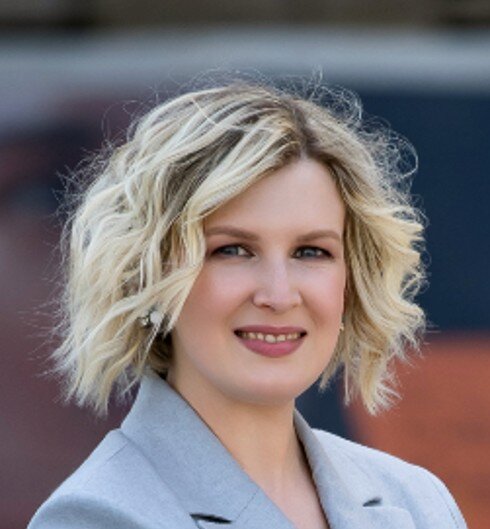
Anastasiia Kharina
Senior Regulatory Affairs Expert, Angel Consulting Srl

Boris Gaspar
Head of Market Development Personal Care EMEA, BASF Personal Care and Nutrition GmbH

Clarisse BAVOUX
Toxicologist and Deputy Chief Executive Officer in charge of digital solutions, CEHTRA

Cécile GUYOT
Communication Manager, COPTIS

Rainer Kröpke
Cosmetic scientist, entrepreneur and founder of Cosmacon GmbH, Tojo Cosmetics GmbH, Cosactive GmbH and Innosicos GmbH

Yann Chilvers
Founder & Co-CEO, Covalo AG

Perry Romanowski
Cosmetic Chemist, Vice President Element 44 Inc

Elsa Jungman
Founder & CEO, HelloBiome

Olga V. Dueva-Koganov
VP and co-founder of Intellebio LLC

Eva Criado
Sr. Marketing & Communications Manager, Kensing

Carrie Mellage
Vice President, Beauty, Kline+Company
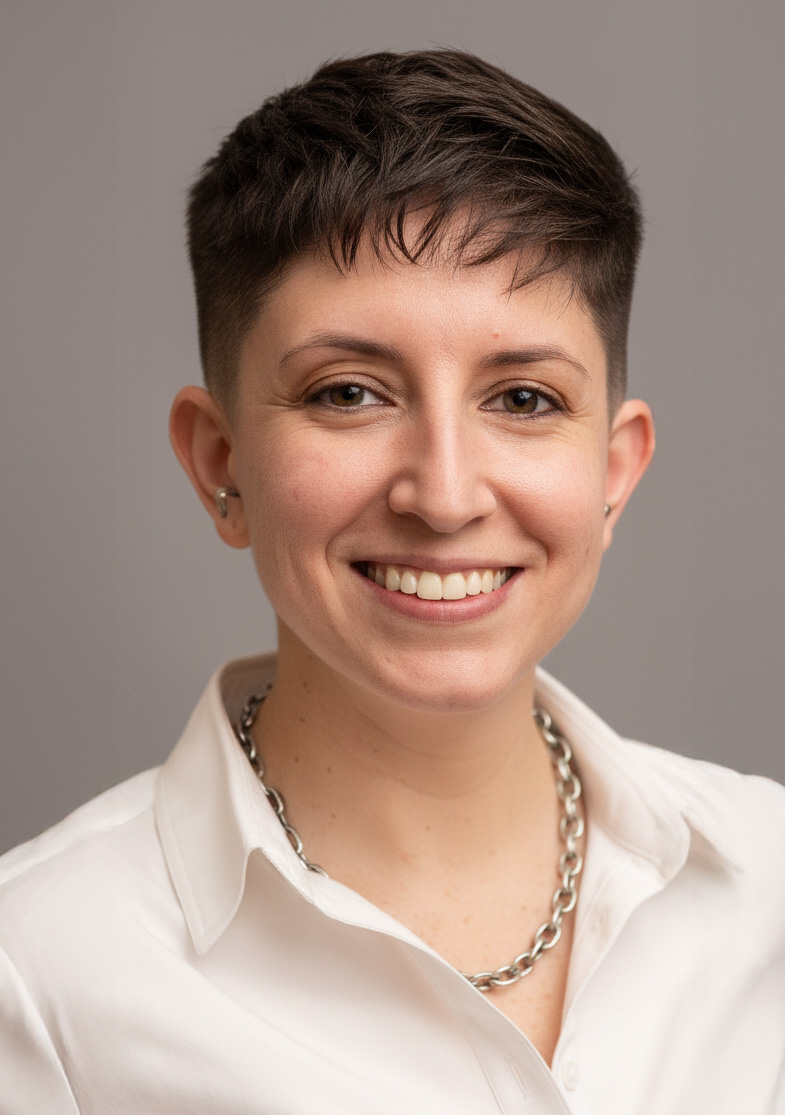
Sue Sender
Director of Marketing, Micro Powders

Dr. Mark Smith
NATRUE Director General

Francesco Ringressi
Business Development Manager, SEA Vision

Julie Rojas
AI Scientist, SMEY
Rania Ibrahim
Founder SkinScience Analytics, USA

Nele Ameloot
Head of BioMolecules Business Development Center, Ghent University, Belgium

Lorena Bellas Domínguez
In Vivo Efficacy Test Manager, Zurko Research