Panel discussion on...
How AI is Speeding
Up Beauty & Personal Care Innovation
About the Author
Sue Sender

Director of Marketing, Micro Powders
Putting generative AI to one side, in what ways, specific to your area of expertise in the beauty industry, are you seeing AI being used? Can you share some AI success stories?
On the non-generative AI side, it can be an incredible time saving tool that can scrub massive amounts of collected data. From customer visit to sample and lead reports, it is far more efficient at summarizing information, identifying trends, finding specific mentions, and more in seconds.
AI on finding/marketing ingredients from a suppliers’ perspective:
How formulators find ingredients has changed.
With AI’s user-friendly approach for working through problems, it’s natural that formulators would gravitate to it to try to find solutions like fixing separation and texture or imparting specific benefits for an on-trend product. This opens the doors for ingredient discovery in a whole new way.
With so many choices, and tight deadlines, there’s no time to waste testing ingredients that may not work. By specifying guidelines in a search, leading with function and desired result, and including whether an ingredient needs to be natural or biodegradable, be compatible with certain system types or actives, if there is a specific INCI in mind, etc., AI can help to cut through the noise and suggest targeted options. A formulator can then quickly pull up all the publicly available technical information in one place for a deep dive and comparison, all before getting a beaker dirty.
Could AI negatively impact consumers through for example, AI driven NPD resulting in Brands producing similar products that ignore the needs of minorities?
Of course, there’s always the bad with the good. AI has the potential to skew content and images where it ‘doesn’t see color.’ This can undo diversity and inclusion initiatives by pumping out misinformation and imagery that is ambiguous or biased, leaving out the uniqueness that makes us human.
Not all products are right for everyone, and everyone needs products right for them.
What are your top three recommendations for companies in your sector considering AI and what should they absolutely avoid?
- Fortunately, consumers, especially the younger generations, are adapting to AI quickly and are already overloaded by sameness and lack of intention. Brands and suppliers need to stay authentic and avoid falling into that trap – just because you can, doesn’t mean you should.
- From a marketing perspective, use AI for inspiration and understanding perspectives to develop content, don’t copy it word for word. I’m still bitter about losing the em dash from AI overuse. Now any use, looks – inauthentic.
Panelists

Carina Dewar
Product Developer, Amka Products (Pty) Ltd

Ashlee Cannady
Director, Strategic Marketing, Amyris
Anastasiia Kharina
Senior Regulatory Affairs Expert, Angel Consulting Srl

Boris Gaspar
Head of Market Development Personal Care EMEA, BASF Personal Care and Nutrition GmbH

Clarisse BAVOUX
Toxicologist and Deputy Chief Executive Officer in charge of digital solutions, CEHTRA
Cécile GUYOT
Communication Manager, COPTIS

Rainer Kröpke
Cosmetic scientist, entrepreneur and founder of Cosmacon GmbH, Tojo Cosmetics GmbH, Cosactive GmbH and Innosicos GmbH

Yann Chilvers
Founder & Co-CEO, Covalo AG

Perry Romanowski
Cosmetic Chemist, Vice President Element 44 Inc

Elsa Jungman
Founder & CEO, HelloBiome

Olga V. Dueva-Koganov
VP and co-founder of Intellebio LLC

Eva Criado
Sr. Marketing & Communications Manager, Kensing

Carrie Mellage
Vice President, Beauty, Kline+Company
Sue Sender
Director of Marketing, Micro Powders

Dr. Mark Smith
NATRUE Director General

Francesco Ringressi
Business Development Manager, SEA Vision

Julie Rojas
AI Scientist, SMEY
Rania Ibrahim
Founder SkinScience Analytics, USA
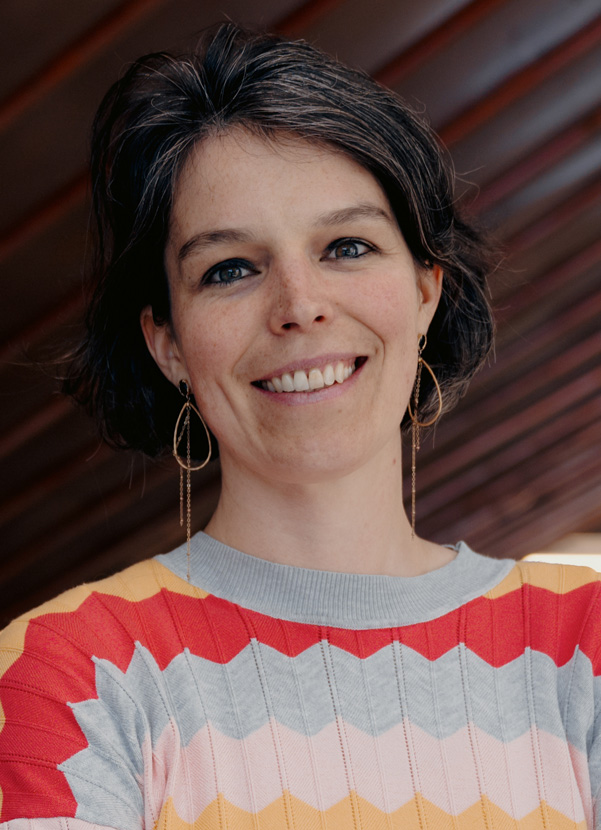
Nele Ameloot
Head of BioMolecules Business Development Center, Ghent University, Belgium
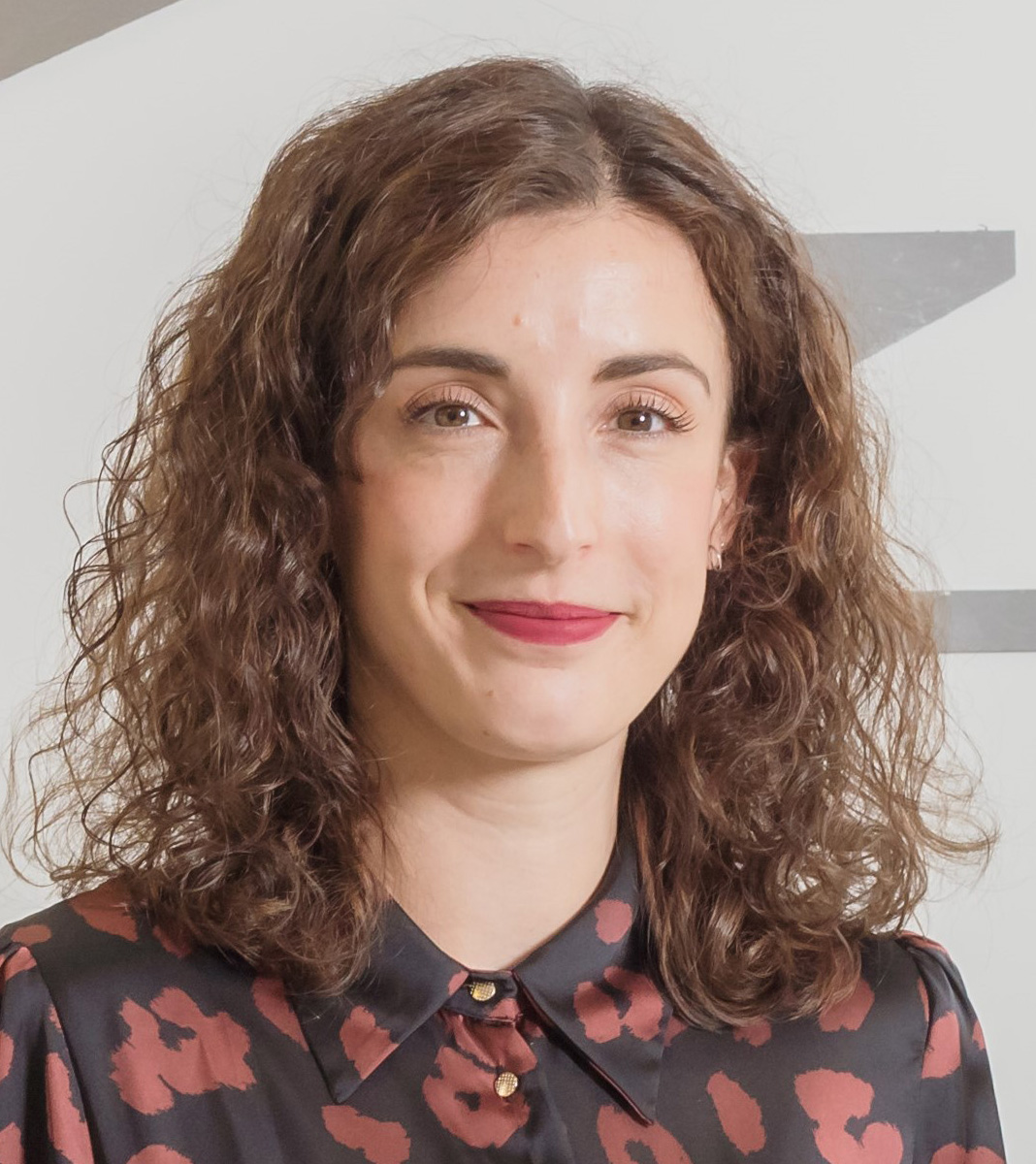
Lorena Bellas Domínguez
In Vivo Efficacy Test Manager, Zurko Research
References and notes
Smock J. Should We Be Scanning Our Beauty Products for Safety? Elle, 2024
https://www.elle.com/beauty/makeup-skin-care/a61457185/beauty-product-scanning/
Nagtode V, at al. Green Surfactants (Biosurfactants): A Petroleum-Free Substitute for Sustainability─Comparison, Applications, Market, and Future Prospects. ACS Omega 2023 https://pubs.acs.org/doi/10.1021/acsomega.3c00591
The Future of Retail? How LÓréal is Using AI to Transform Everyday Advertising
https://medium.com/@elinext/the-future-of-retail-how-lor%C3%A9al-is-using-ai-to-transform-everyday-advertising-87289d1212f8