Panel discussion on...
How AI is Speeding
Up Beauty & Personal Care Innovation
About the Author
Rania Ibrahim

Founder SkinScience Analytics, USA
AI's Transformation of Beauty Product Testing
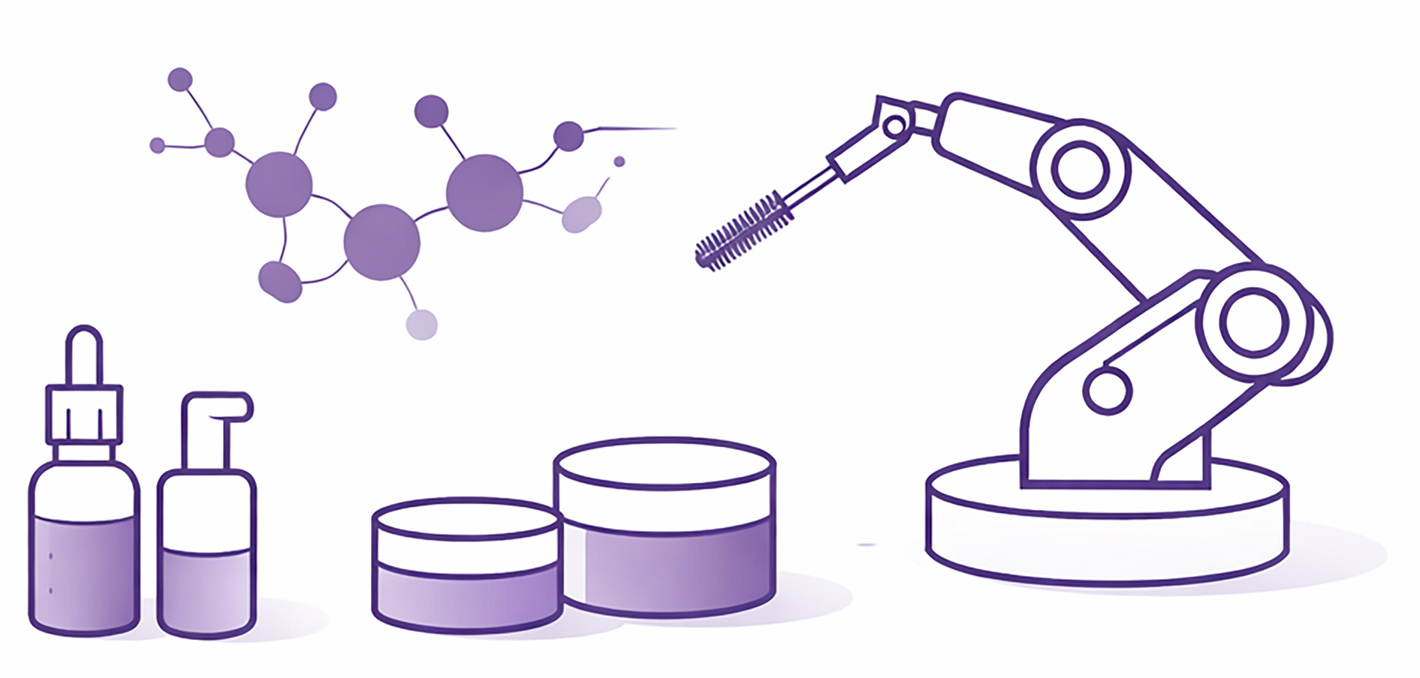
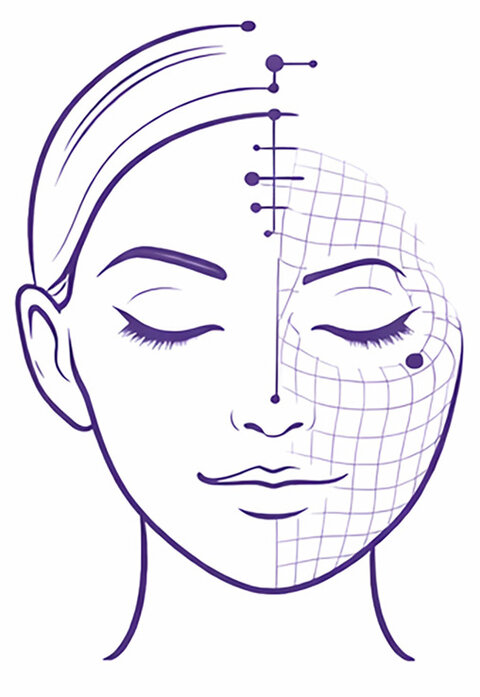
AI is fundamentally changing how beauty products are developed and tested, offering promising alternatives to traditional methods while raising important questions about responsibility and oversight. Virtual skin simulation has become remarkably sophisticated. AI models can now predict how ingredients will interact with different skin types, tones, and conditions without requiring human volunteers in early testing phases. Companies like L'Oréal and Unilever use machine learning algorithms trained on decades of dermatological data to forecast product safety and efficacy, dramatically reducing the time from concept to shelf. Success stories include AI Potion (1) a Pakistani company using AI for faster formulation development based on existing data. Skin Safe (2) is another company worth highlighting for its use of AI to predict the safety and impact of ingredients on sensitive skin. Personalization engines analyze individual skin characteristics through smartphone cameras or uploaded photos, recommending products tailored to specific concerns. Proven Skincare (3) and Function of Beauty (4) use AI to create customized formulations based on questionnaires and environmental factors like local climate and pollution levels.
Predictive toxicology represents perhaps the most significant ethical advancement. AI can screen thousands of ingredient combinations for potential adverse reactions, reducing reliance on animal testing. The EU's ban on animal testing for cosmetics has accelerated AI adoption, as companies need alternative validation methods. While AI is a promising tool, its success rates are difficult to determine due to its novelty. AI could potentially be used for neurofeedback to assess product acceptability, but this is still in the early stages. Validation of AI-generated material is based on data, and the importance of robust data for effective AI algorithms cannot be overstated. There are ethical implications of using AI in determining a person's perceived age, but these decisions are ultimately up to the brands.
AI can optimize various business processes, including supply chain management, report writing, and data analysis. AI could be used to analyze microscope slides for product safety, but training such AI systems requires significant time and data. Data security is also of paramount importance to protect proprietary information. When working with AI companies, identifying markers and personal data are not disclosed, and the AI programs are blinded to client information. The extent of an AI program's database and algorithm development is not generally disclosed to clients, creating a level of uncertainty about the robustness of the AI systems.
Consumers can use AI to solicit cosmetic product recommendations and seek cost effective virtual consultations. AI could enhance consumer convenience, such as providing shade matching and personalized foundation recommendations without requiring in-person visits. The need for clear labeling and disclaimers when AI is used in these services is essential, because it is important to acknowledge its limitations. There is tremendous risk potential for AI-driven new product development to overlook the needs of minority groups due to inadequate or biased data sets.
Regulatory Challenges
Our industry and regulatory organizations need to carefully examine the robustness of algorithms determining age and representation across different demographics. There is a need for brands to understand legal implications when using AI for claim substantiation, as the cosmetic industry is regulated by the Federal Trade Commission (FTC) and National Advertising Commission (NAD) rather than the Food and Drug Administration (FDA). Regulatory frameworks and industry standards for responsible AI use are still developing, particularly for new technologies like AI-based claims. The recommendation for brands is to engage with consulting regulatory consultants and seeking legal counsel for guidance. The Modernization of Cosmetics Act Regulation Act of 2022 (MOCRA) governs safety but not marketing claims, which fall under NAD and FTC. There are potential AI applications in color cosmetics, such as shade matching, but there are concerns about liability in AI-driven skincare recommendations.
Benefits Worth Pursuing
The efficiency gains are substantial. What once required months of laboratory work can now happen in days through computational modeling. This accelerates innovation and makes product development more accessible to smaller companies that lack extensive R&D budgets. For consumers, AI enables unprecedented personalization. Rather than trial-and-error purchasing, people can receive recommendations based on their unique biology, potentially reducing waste and improving outcomes. The reduction in animal testing alone justifies significant investment in these technologies: AI models that accurately predict human responses are both more humane and often more relevant than animal proxies.
However, responsible deployment requires addressing several concerns. Data representativeness is critical. Many AI beauty tools have historically performed poorly on darker skin tones because training datasets overrepresented lighter complexions (5). Companies must actively ensure their models work equitably across all demographics. Google's recent retraction of certain AI features after accuracy issues with diverse skin tones illustrates the stakes. Transparency about limitations matters. AI predictions are probabilistic, not certain (6). Companies should clearly communicate when recommendations are AI-generated and acknowledge that individual responses may vary. Human oversight remains essential: AI should augment, not replace, dermatologists and safety scientists, especially for novel formulations or vulnerable populations.
Privacy protections need strengthening. Beauty AI often requests facial photos and personal health information, so companies must implement robust data security. Regulatory adaptation is lagging. Industry should proactively engage regulators rather than waiting for problems to emerge.
A Path Forward
The beauty industry and policymakers could collaborate on several initiatives:
- Creating open-source datasets that represent diverse populations to help smaller companies build equitable AI tools without each needing to collect massive proprietary datasets.
- Establishing third-party auditing standards for beauty AI to build consumer trust. Independent verification that an AI tool works across skin types and doesn't perpetuate biases could become a marketable credential.
- Developing clear labeling requirements to help consumers understand when AI influenced product development or recommendations, like how ingredients must be disclosed.
- Supporting ongoing validation studies that compare AI predictions against real-world outcomes would continuously improve accuracy and catch edge cases.
The technology's potential to make beauty products safer and more personalized is genuine. The question isn't whether AI will reshape beauty testing—it already has—but whether we'll shape that transformation wisely.
Panelists

Carina Dewar
Product Developer, Amka Products (Pty) Ltd

Ashlee Cannady
Director, Strategic Marketing, Amyris
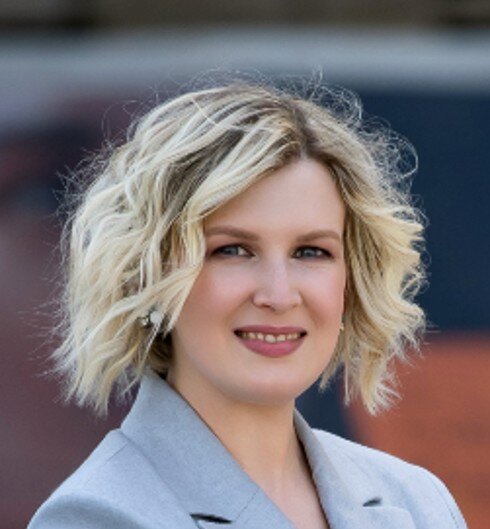
Anastasiia Kharina
Senior Regulatory Affairs Expert, Angel Consulting Srl

Boris Gaspar
Head of Market Development Personal Care EMEA, BASF Personal Care and Nutrition GmbH

Clarisse BAVOUX
Toxicologist and Deputy Chief Executive Officer in charge of digital solutions, CEHTRA
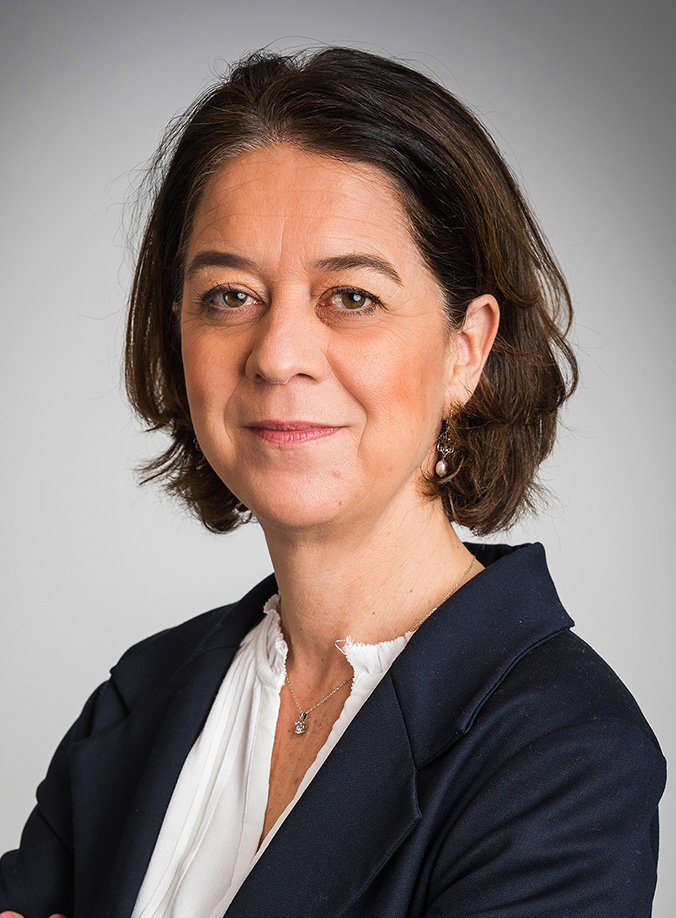
Cécile GUYOT
Communication Manager, COPTIS

Rainer Kröpke
Cosmetic scientist, entrepreneur and founder of Cosmacon GmbH, Tojo Cosmetics GmbH, Cosactive GmbH and Innosicos GmbH

Yann Chilvers
Founder & Co-CEO, Covalo AG

Perry Romanowski
Cosmetic Chemist, Vice President Element 44 Inc

Elsa Jungman
Founder & CEO, HelloBiome

Olga V. Dueva-Koganov
VP and co-founder of Intellebio LLC

Eva Criado
Sr. Marketing & Communications Manager, Kensing

Carrie Mellage
Vice President, Beauty, Kline+Company
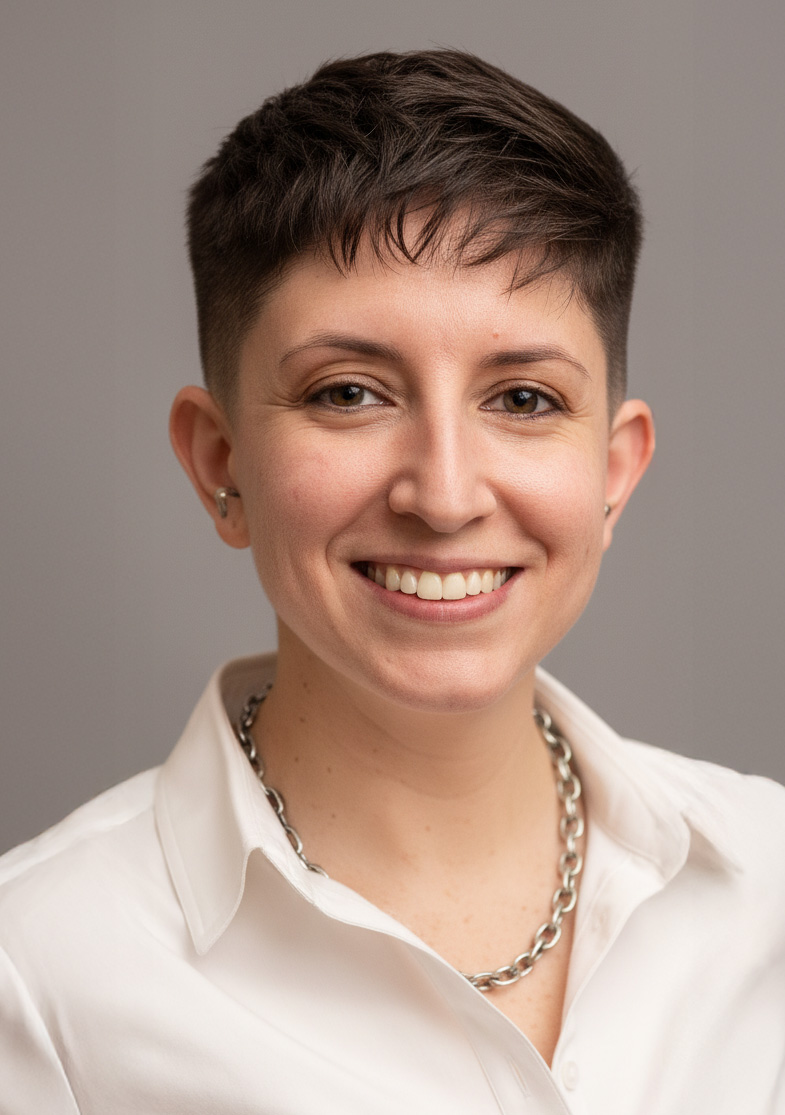
Sue Sender
Director of Marketing, Micro Powders

Dr. Mark Smith
NATRUE Director General

Francesco Ringressi
Business Development Manager, SEA Vision

Julie Rojas
AI Scientist, SMEY
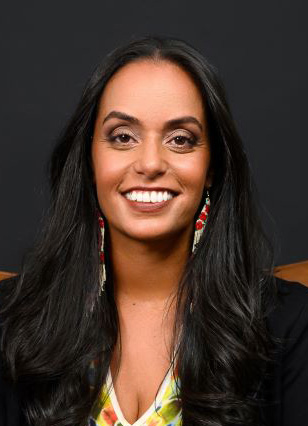
Rania Ibrahim
Founder SkinScience Analytics, USA
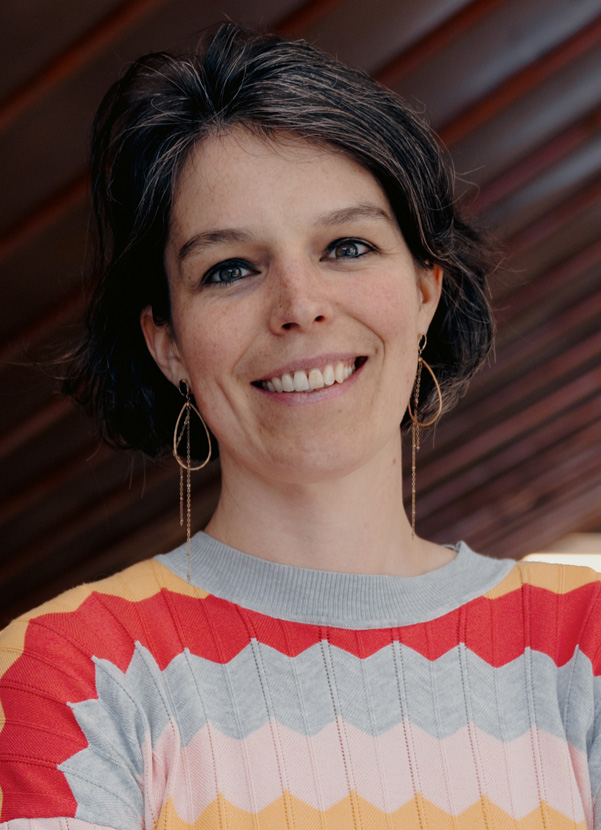
Nele Ameloot
Head of BioMolecules Business Development Center, Ghent University, Belgium
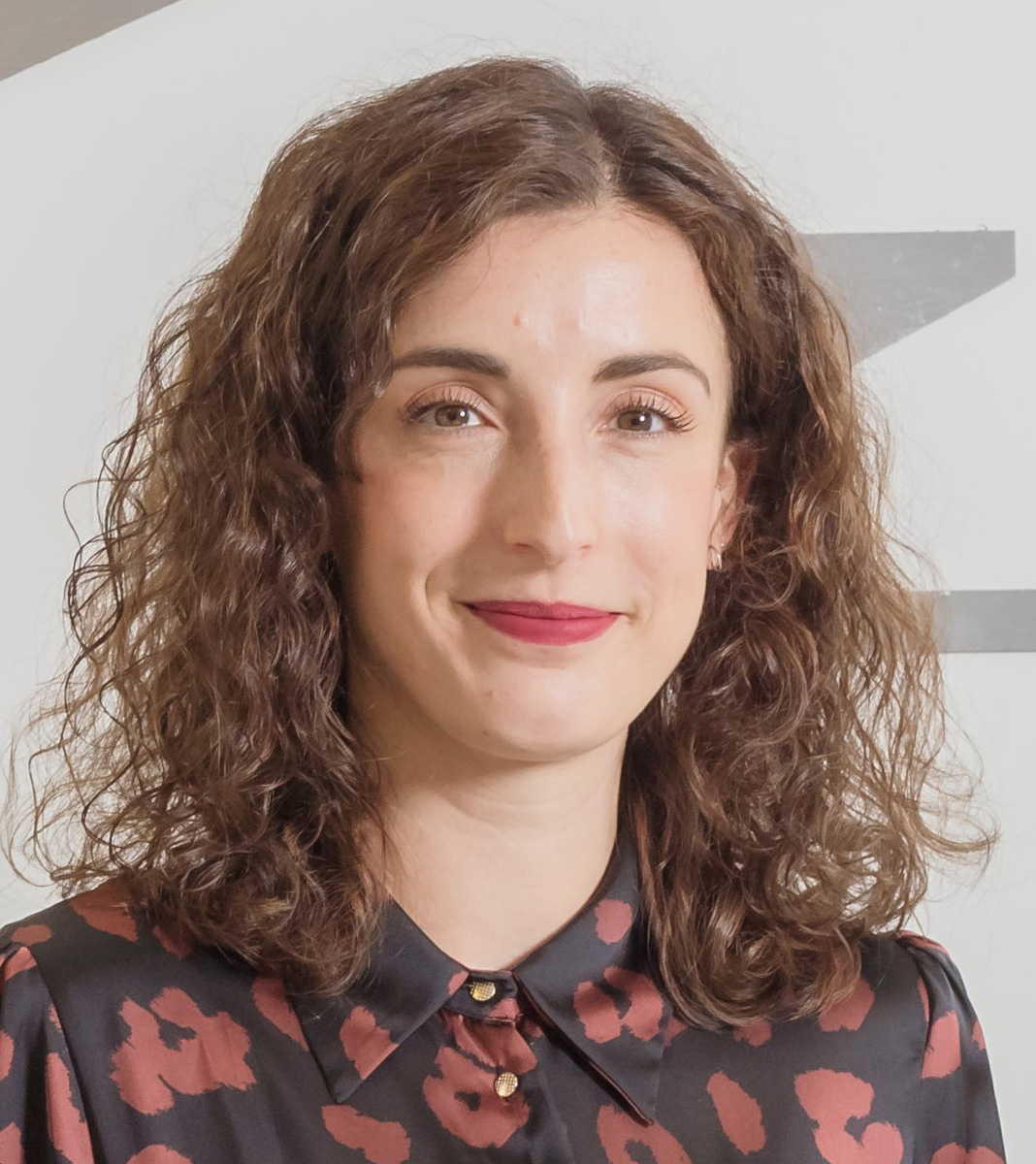
Lorena Bellas Domínguez
In Vivo Efficacy Test Manager, Zurko Research
References and notes
- https://www.potion.ai/about
- https://www.skinsafeproducts.com/how-skinsafe-works
- https://www.provenskincare.com/clinical-proof/
- https://functionofbeauty.com/pages/about
- Research reveals AI Falling short in skin tone diversity and representation. The Aesthetic Multispecialty Society https://www.multispecialtysociety.com/community/the-aesthetic-multispecialty/articles/research-reveals-ai-falling/details?from=home
- Daneshjou R, et al. Disparities in dermatology AI performance on a diverse, curated clinical image set. Sci Adv. 2022;8(32):eabq6147. doi:10.1126/sciadv.abq6147 https://pubmed.ncbi.nlm.nih.gov/35960806/