
Panel discussion on...
How AI is Speeding
Up Beauty & Personal Care Innovation
About the Author
Julie Rojas

AI Scientist, SMEY


Putting generative AI to one side, in what ways, specific to your area of expertise in the beauty industry, are you seeing AI being used? Can you share some AI success stories?
In the field of cosmetic ingredient production, AI has shown promise in various areas, including discovery, research and development, and manufacturing optimization. Our initial application of AI focused on reducing the time and cost associated with screening yeasts that produce oils with desired properties. These models are trained with our own data but also utilize pre-trained gene or protein models that are trained on very large datasets and published by academia. We also closely monitor developments in biology and bioengineering AI tools, as they can enhance our understanding and selection of the organisms we use. For example, AI tools for enzyme identification are proving to be highly valuable, and we pay close attention to new publications in this area. In summary, we rely heavily on advances in the field made available by public research.
Further down the line, improving production yield in our sector is essential to offering green alternatives to plant-based oils at competitive prices. However, optimizing these complex processes (media, fermentation in bioreactors, etc.) is costly and time-consuming. We are currently utilizing Metabolic-AI hybrid models to optimize ingredient production through fermentation, and are optimistic that it will help us save time and money on product development.
Can you share the ways you validate AI-generated material? Do you feel documentation, validation, and transparency should be mandatory when using AI?
For our exploratory usage, where AI is used to predict which organism can produce the oil of interest, that’s straightforward! We ordered the strains and tested them in vivo. This is how we further tested our model accuracy - making predictions and putting them to the test. For optimization of our production process, we will have to see how many experimental iterations were needed compared to more traditional approaches, but we don’t yet have enough hindsight on that matter. We think validation of any AI prediction is crucial. Regarding transparency, since we solely use AI in R&D, mandatory transparency should be implemented in a way that preserves confidentiality and protects intellectual property. Sharing validation strategies, performance metrics, and governance frameworks can provide sufficient assurance without granting competitors access to sensitive process details.
Are you using AI to predict ingredient interactions, stability, or compatibility with other raw materials?
Not yet. We mostly focus on stability (such as oxidative stability), and a simple linear model performs sufficiently well. Other aspects of oil properties we are interested in, such as melting curves, crystallization, or viscosity, are quite complex to model. So far, physical models such as thermodynamic models seem better fitted, as shifting to AI would require the acquisition of a large amount of data without knowing the actual gain.
Does AI help you identify sustainable or "green" alternatives to traditional ingredients?
Yes! This is actually a fundamental part of our research and development strategy. We have developed AI models that predict novel oleaginous yeasts, which are types of yeast that can accumulate large quantities of oils under the right conditions. Our AI solutions helped us discover potential oleaginous yeasts that often have unique fatty acid profiles by allowing us to screen three times fewer strains. Additionally, we created another algorithm (this time not AI-based) to match these profiles with plant oils to determine the best green oil alternatives.
What are your top three recommendations for companies in your sector considering AI and what should they absolutely avoid?
I would advise against viewing AI as a one-size-fits-all solution. In many cases, other computational approaches can outperform AI. It’s crucial to evaluate the strengths and weaknesses of each method. For example, most machine learning models require a substantial amount of data to perform effectively. In some situations, gathering such a dataset can be prohibitively expensive without guaranteeing the desired benefits.
A good illustration of this is media optimization, which can be both costly and time-consuming. In contrast, a Bayesian optimization approach, which works well with a limited number of experimental data points and improves iteratively, can be a more cost-effective and time-efficient solution.
Companies should rigorously evaluate whether the data volume, diversity, and signal-to-noise ratio are sufficient before committing to AI-heavy approaches.
AI outputs should be treated as hypotheses, not answers. Predictive models must be continuously validated against experimental results, with clear performance metrics and feedback loops. This not only improves model quality over time but also builds trust among scientists and decision-makers using the outputs.
References and notes
Panelists

Carina Dewar
Product Developer, Amka Products (Pty) Ltd

Ashlee Cannady
Director, Strategic Marketing, Amyris
Anastasiia Kharina
Senior Regulatory Affairs Expert, Angel Consulting Srl

Boris Gaspar
Head of Market Development Personal Care EMEA, BASF Personal Care and Nutrition GmbH

Clarisse BAVOUX
Toxicologist and Deputy Chief Executive Officer in charge of digital solutions, CEHTRA
Cécile GUYOT
Communication Manager, COPTIS

Rainer Kröpke
Cosmetic scientist, entrepreneur and founder of Cosmacon GmbH, Tojo Cosmetics GmbH, Cosactive GmbH and Innosicos GmbH

Yann Chilvers
Founder & Co-CEO, Covalo AG

Perry Romanowski
Cosmetic Chemist, Vice President Element 44 Inc
Elsa Jungman
Founder & CEO, HelloBiome

Olga V. Dueva-Koganov
VP and co-founder of Intellebio LLC

Eva Criado
Sr. Marketing & Communications Manager, Kensing

Carrie Mellage
Vice President, Beauty, Kline+Company
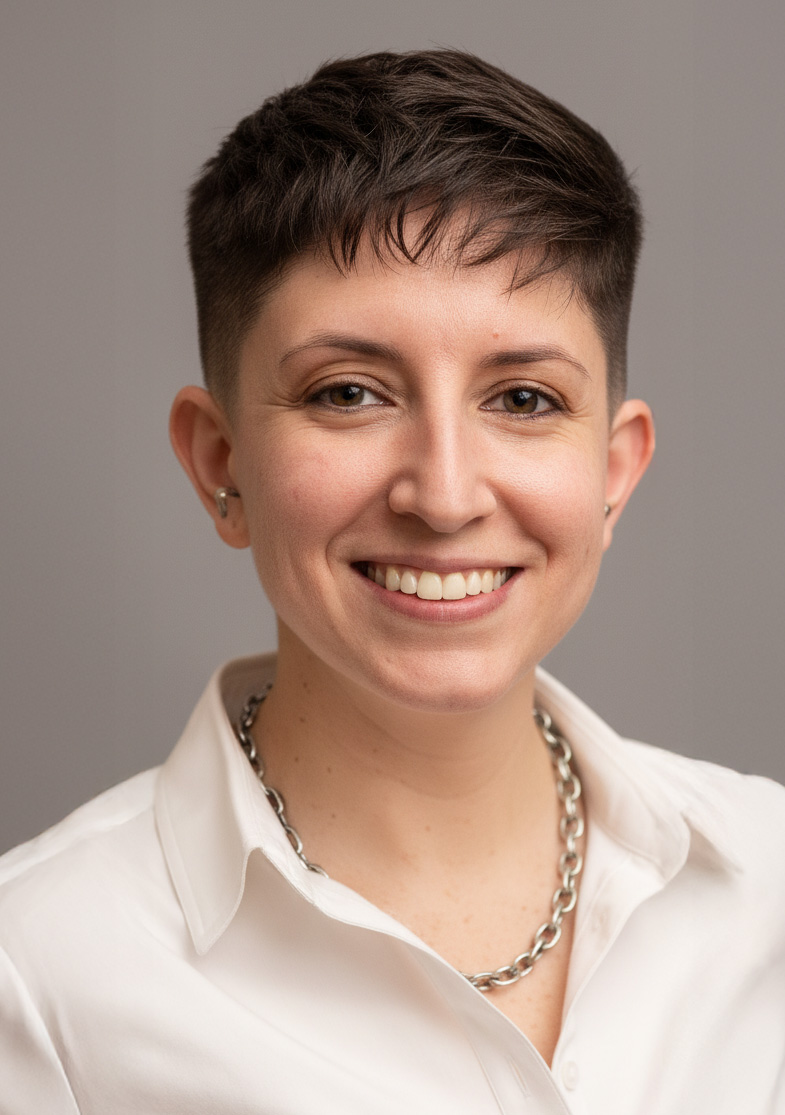
Sue Sender
Director of Marketing, Micro Powders

Dr. Mark Smith
NATRUE Director General

Francesco Ringressi
Business Development Manager, SEA Vision

Julie Rojas
AI Scientist, SMEY
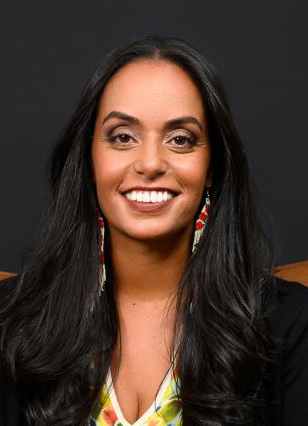
Rania Ibrahim
Founder SkinScience Analytics, USA
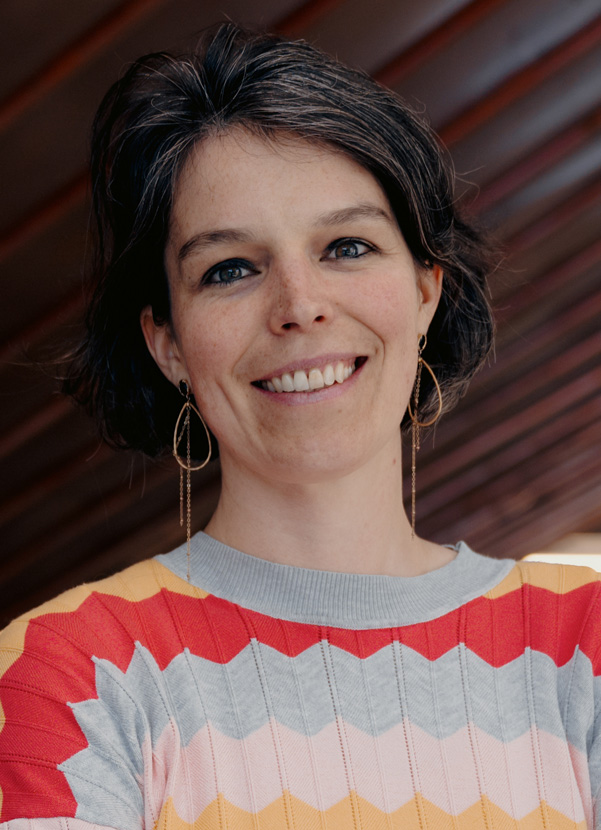
Nele Ameloot
Head of BioMolecules Business Development Center, Ghent University, Belgium
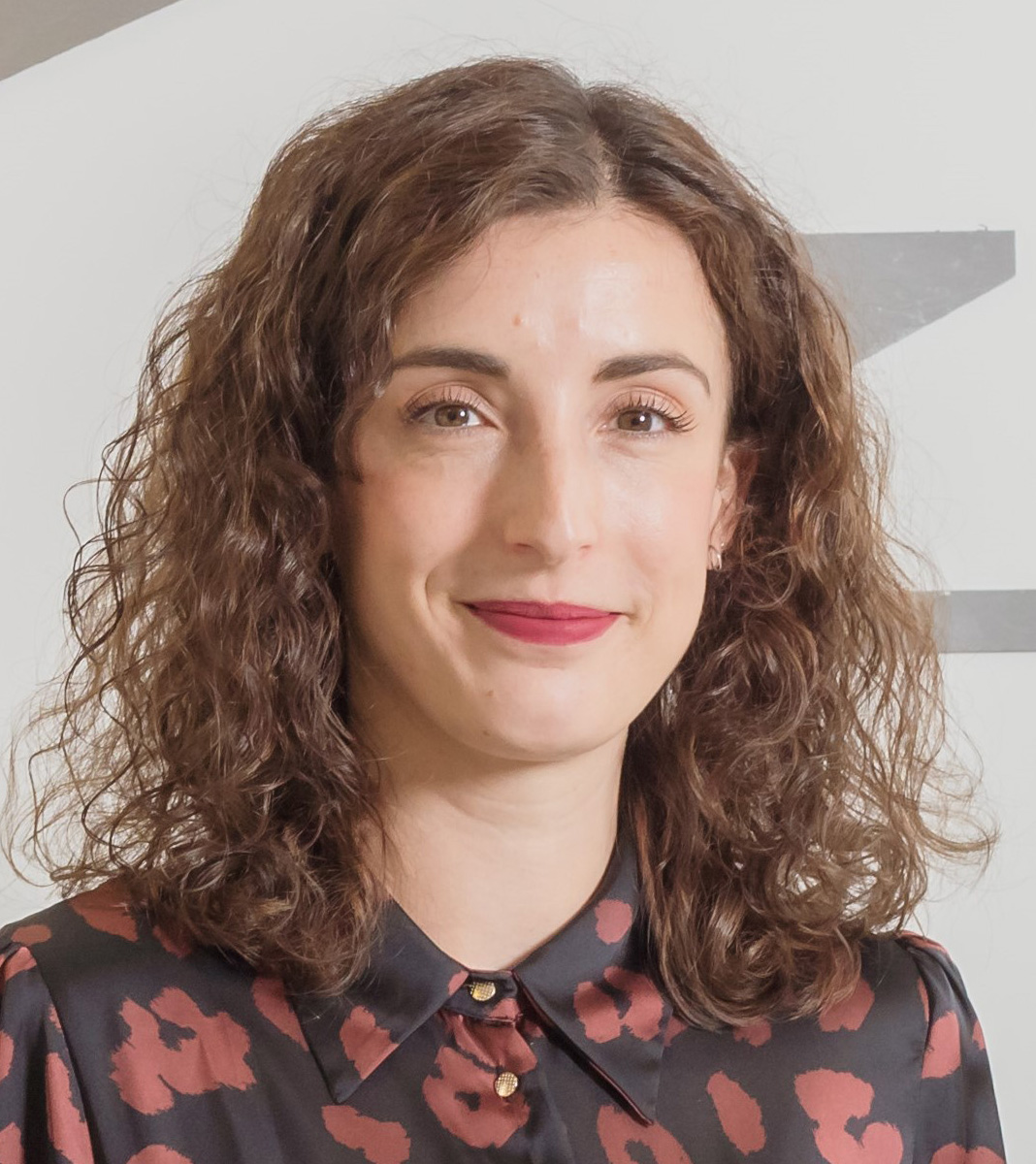
Lorena Bellas Domínguez
In Vivo Efficacy Test Manager, Zurko Research
References and notes
Smock J. Should We Be Scanning Our Beauty Products for Safety? Elle, 2024
https://www.elle.com/beauty/makeup-skin-care/a61457185/beauty-product-scanning/
Nagtode V, at al. Green Surfactants (Biosurfactants): A Petroleum-Free Substitute for Sustainability─Comparison, Applications, Market, and Future Prospects. ACS Omega 2023 https://pubs.acs.org/doi/10.1021/acsomega.3c00591
The Future of Retail? How LÓréal is Using AI to Transform Everyday Advertising
https://medium.com/@elinext/the-future-of-retail-how-lor%C3%A9al-is-using-ai-to-transform-everyday-advertising-87289d1212f8