Panel discussion on...
How AI is Speeding
Up Beauty & Personal Care Innovation
About the Author
Carrie Mellage

Vice President, Beauty, Kline+Company
About the Author
Sunanda Desai
Vice President, Chemicals & Materials, Kline+Company

The use of AI
Putting generative AI to one side, in what ways, specific to your area of expertise in the beauty industry, are you seeing AI being used? Can you share some AI success stories?
The integration of AI into the beauty industry is significantly revolutionizing consumer experiences, fundamentally altering the way individuals engage with beauty services, treatments, and personalized recommendations.
The trend revolves around the integration of AI in the beauty industry, primarily transforming various facets of skincare, haircare, and salon management.
Which AI platforms, tools, or technologies do you feel are bringing the greatest benefits to your sector, particularly regarding speed, cost, innovation, or problem-solving?
AI-Powered Skin Care Analysis and Personalization
Leading brands in professional skin care, such as Cetaphil and Elemis, are leveraging AI with online skincare assessments and personalized skincare recommendations.
Dermalogica’s GPT-powered website goes a step further, providing comprehensive insights for both professionals and consumers, addressing product queries and skincare concerns.
These tools enable tailored skincare suggestions based on skin-related information provided by consumers.
I-Enhanced Virtual Try-Ons and Hair Diagnosis
Innovations such as L'Oréal’s My Hair [iD] and Chi Color Machine allow consumers to virtually experiment with styles and to receive personalized hair color recommendations.
Additionally, the AI Haircare Advisor by Living Proof and Revieve, provides in-depth insights into hair science and tailored product recommendations, emulating salon consultations in a digital format.
AI Tools for Salon Management
Various solutions assist in inventory management, supply chain optimization, appointment scheduling, staff allocation, and content generation for digital platforms.
Additionally, AI GPT models offer potential assistance for salon-related tasks and customer interactions.
These AI-driven management tools aim to streamline salon operations, improve customer experience, and enhance overall salon efficiency.
Formulation and R&D
Does AI help you identify sustainable or "green" alternatives to traditional ingredients?
Brands use AI to speed up R&D, reduce testing cycles, and predict formula performance. For example, ELC established an AI Innovation Lab to accelerate product development and enhance local relevancy of launches. It uses internal generative AI chatbots to navigate product/claims databases, accelerate marketing, and respond to trends faster.
We at Kline use AI-powered predictive analytics to help our clients identify trends before they become mainstream. By utilizing historical data alongside advanced machine learning techniques, we help our clients anticipate future trends with high accuracy. One of our clients needed a scientific method and scenario capability to effectively plan budgets through company-wide, quarterly category and channel forecasts. Our experts worked together with this leading beauty firm to collect the necessary data, apply machine learning models, and deliver the insights in a fully interactive visualization dashboard. The client then had enhanced trend prediction, optimized product development, and improved strategic decision making.
Impact on consumers
How do you see AI ultimately benefit consumers? Do you envisage AI enabling better products, enhanced safety, personalization, affordability, etc?
Personalized Product Recommendations
AI evaluates factors such as skin type, purchase history, and local climate to deliver tailored product suggestions.
Virtual Try‑Ons & Diagnostics
AI‑powered virtual try‑ons use augmented reality to help consumers preview makeup shades or hair colors before purchasing. AI skin diagnostics can also detect concerns like wrinkles, pigmentation, and sensitivity from photographs.
Enhanced Shopping Experience
AI tools—such as intelligent chatbots—provide instant support, answer questions, and suggest products. AI‑based analysis of online sentiment further helps brands refine product quality and responsiveness.
What consumer protections should be in place when AI is used for product recommendations, personalization, or virtual consultations?
It is essential that consumers are clearly informed when AI is being utilized, with explicit opt-in consent obtained prior to any data collection. Consumers should be made aware of what data is gathered and the purpose behind its use. Beyond strict adherence to privacy regulations and minimizing data collection, organizations must actively identify, test, and address bias within recommendation algorithms to prevent unfair outcomes. Maintaining audit trails and ensuring transparency regarding the use of AI in recommendations is vital. Additionally, companies should provide clear explanations for why specific recommendations are made, enabling consumers to understand the reasoning behind them.
In addition to checking compliance with privacy laws and limit data collection, preventing biased recommendations is essential - it requires companies to identify, test, and mitigate bias in recommendation algorithms. Maintain audit logs, as well as be transparent and fully disclose the use of AI for recommendations
Risks, limitations and how to mitigate them
Looking toward the future, the beauty industry will increasingly rely on AI integration. This harmonious blend will solidify the connection between salons and consumers, ensuring customized guidance and products.
Professional brands are set to introduce new AI tools that enhance this synergy. Collaborations on the horizon will amplify AI's impact, seamlessly integrating technology within the beauty realm for customized experiences.
Ultimately, the forthcoming AI-driven era in beauty promises continuous innovation, an unmatched level of personalization, and landscape finely attuned to consumers' needs and desires.
References and notes
Panelists

Carina Dewar
Product Developer, Amka Products (Pty) Ltd

Ashlee Cannady
Director, Strategic Marketing, Amyris
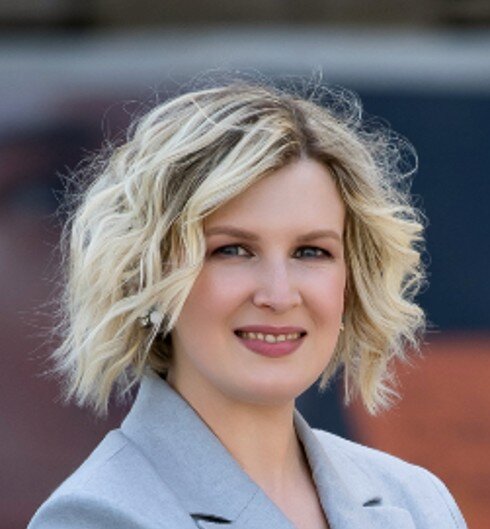
Anastasiia Kharina
Senior Regulatory Affairs Expert, Angel Consulting Srl

Boris Gaspar
Head of Market Development Personal Care EMEA, BASF Personal Care and Nutrition GmbH

Clarisse BAVOUX
Toxicologist and Deputy Chief Executive Officer in charge of digital solutions, CEHTRA

Cécile GUYOT
Communication Manager, COPTIS

Rainer Kröpke
Cosmetic scientist, entrepreneur and founder of Cosmacon GmbH, Tojo Cosmetics GmbH, Cosactive GmbH and Innosicos GmbH

Yann Chilvers
Founder & Co-CEO, Covalo AG

Perry Romanowski
Cosmetic Chemist, Vice President Element 44 Inc

Elsa Jungman
Founder & CEO, HelloBiome

Olga V. Dueva-Koganov
VP and co-founder of Intellebio LLC

Eva Criado
Sr. Marketing & Communications Manager, Kensing
Carrie Mellage
Vice President, Beauty, Kline+Company
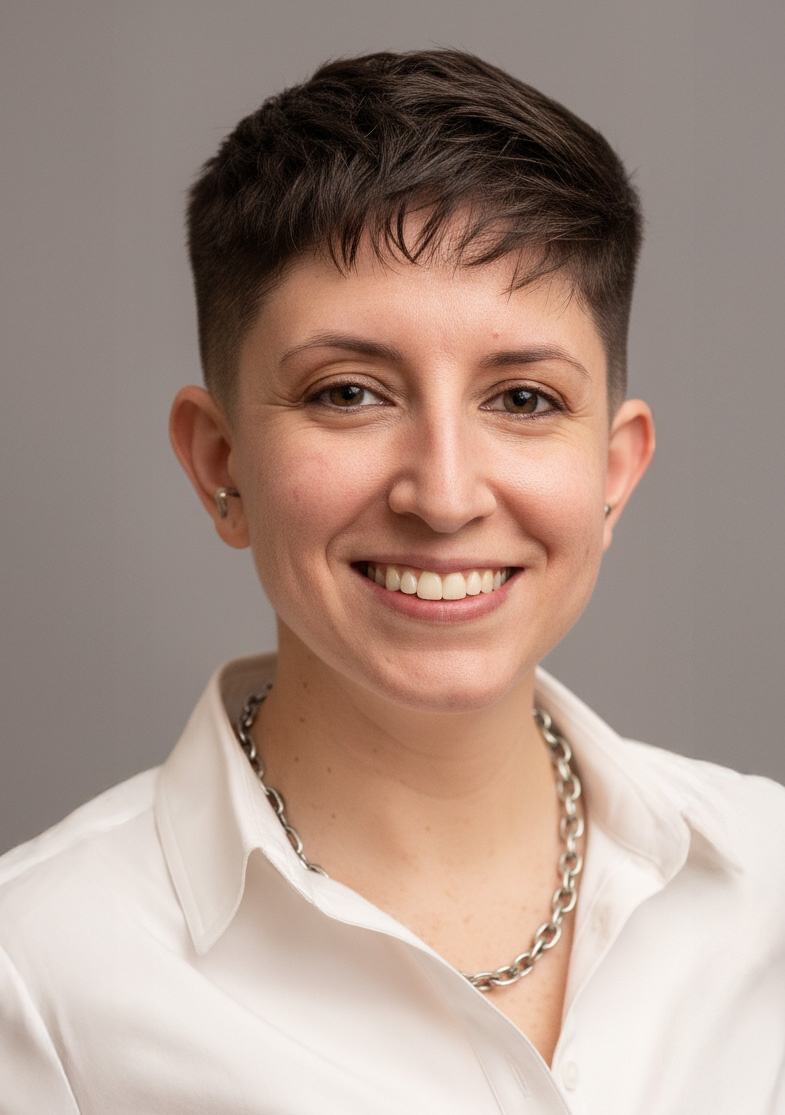
Sue Sender
Director of Marketing, Micro Powders

Dr. Mark Smith
NATRUE Director General

Francesco Ringressi
Business Development Manager, SEA Vision

Julie Rojas
AI Scientist, SMEY
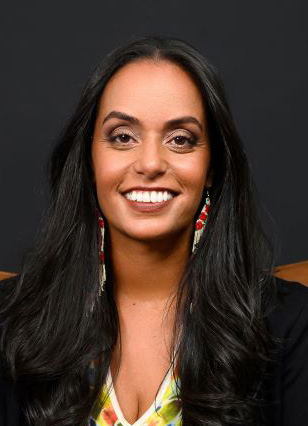
Rania Ibrahim
Founder SkinScience Analytics, USA
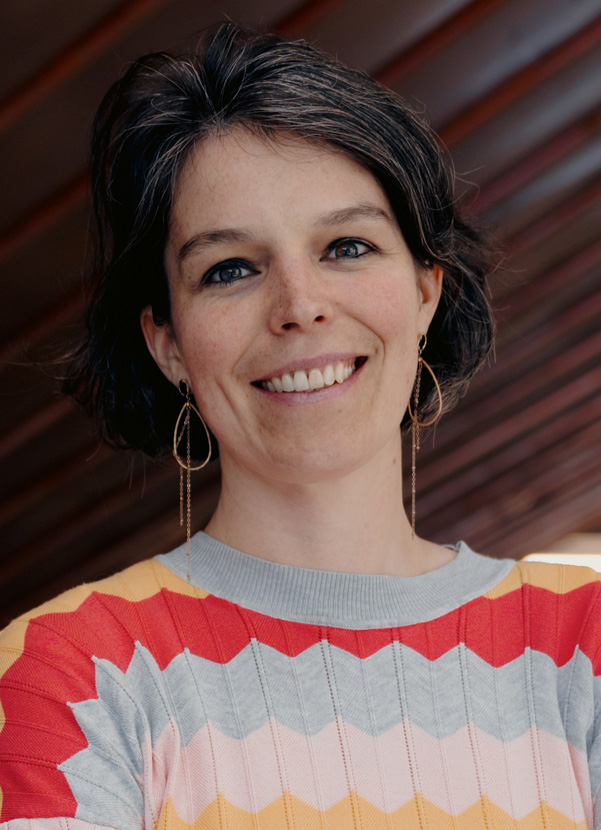
Nele Ameloot
Head of BioMolecules Business Development Center, Ghent University, Belgium
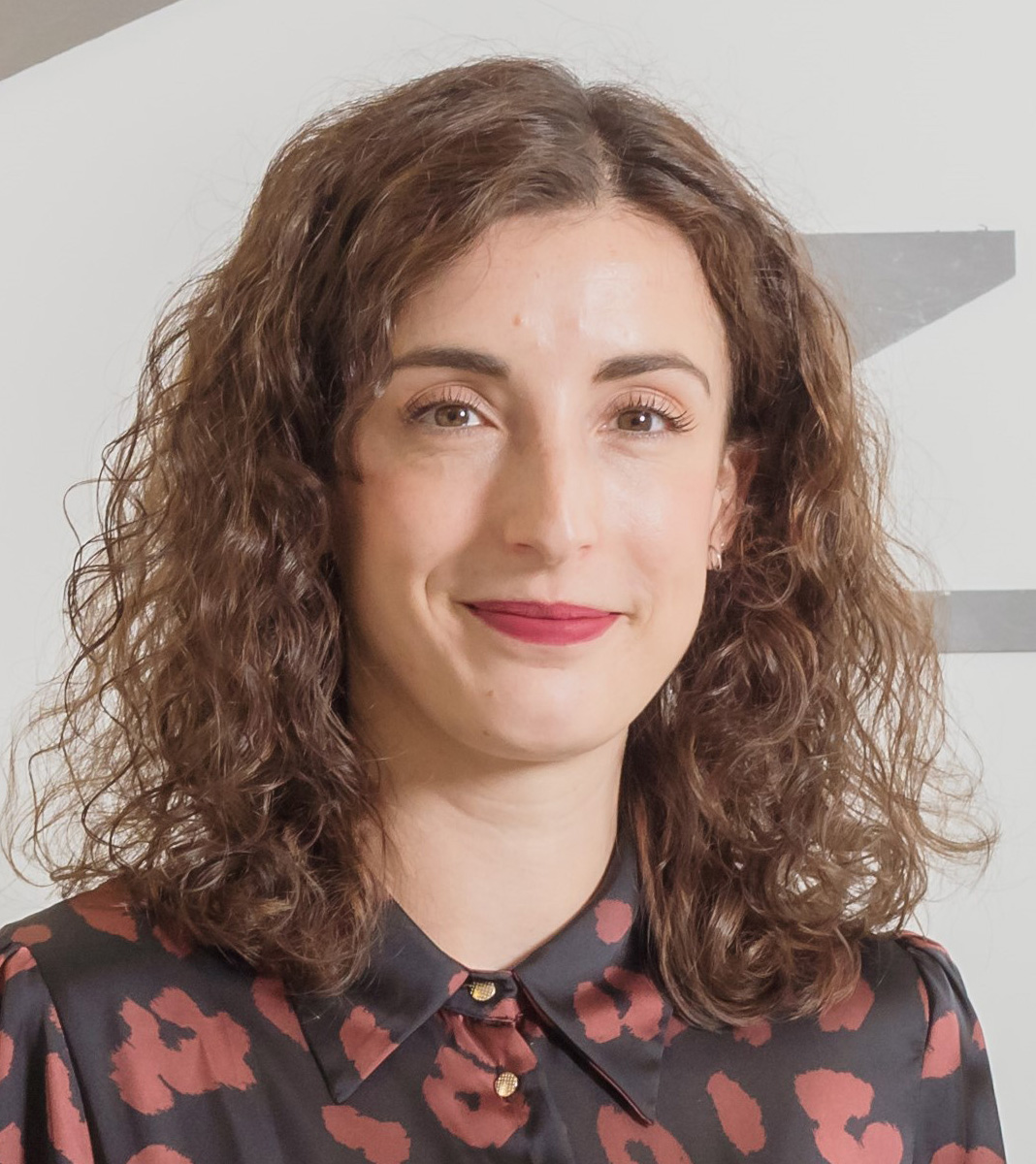
Lorena Bellas Domínguez
In Vivo Efficacy Test Manager, Zurko Research