Panel discussion on...
How AI is Speeding
Up Beauty & Personal Care Innovation
About the Author
Perry Romanowski

Cosmetic Chemist, Vice President Element 44 Inc

In what ways, specific to your area of expertise in the beauty industry, are you seeing AI being used?
The main ways AI is being used in the lab are the following.
To research ingredients. Before the advent of AI information on the internet about ingredients was scattered in different sources. It could take hours using keyword searching to find the most important facts about using ingredients, their function, their limitations, etc. And a formulator didn't have a good idea of what information was accurate or not. AI has gone through and consolidated the information in an easily accessible manner. Rather than having to come up with keywords about ingredients, a chemist can simply type a natural language question. This greatly speeds up the process of pre-formulating research.
Another place that AI is useful in the lab is in the process of developing starting formulas. Often a formulator's job will be to create a formula based on an existing product on the market. Before AI the formulator could take an ingredient list and guess at the levels of each of the different ingredients for a starting place. If they had enough experience this was not difficult. But for a new formulator this was a challenging task. Now, chemists can take an ingredient list, enter it into an AI and ask for a reasonable starting formula. The resulting formula is not good enough to be a finished formula however, it provides an excellent starting place.
Additionally, there are AI tools that can compare ingredient lists to known raw material blends. Many raw material suppliers offer ingredients combined in a single blend for efficiency in manufacturing. This was much more difficult to do when a chemist had to guess at the levels of each individual ingredient.
Which AI platforms, tools, or technologies do you feel are bringing the greatest benefits to your sector, particularly regarding speed, cost, innovation, or problem-solving?
There are a number of beauty product specific AIs but at the moment I think the ones having the biggest impact on professional formulators are LLMs like ChatGPT, Claude, and Gemini. These tools can help in a wide range of tasks that cosmetic chemists have to accomplish daily. Ingredient research, starting formulation suggestions, written communication, idea brainstorming and more are all accomplished more quickly than ever before.
For an industry-specific tool, Potion.ai (1) is one of the more useful ones. Since it has been populated with industry information about raw materials, it provides a curated source for more reliable information. The general LLMs do suffer from being trained on everything from supplier's literature to DIY product makers, so they have a higher probability of giving inaccurate information.
Can you share the ways you validate AI-generated material?
Great question. Perhaps the biggest challenge with using AI tools is that sometimes they give back information that is not true. They also have been trained on information published by suppliers and other motivated content producers. That means there is a high chance that some of the information you learn about ingredients and technology is incorrect. I'm fortunate to have worked in the industry a long time and have developed a depth of knowledge that lets me quickly spot likely incorrect information. But even a veteran can be tricked by an AI who writes everything with conviction. Whenever working with an AI, do the following things for verification.
Review with a skeptical eye to ensure that it seems correct. Assuming that it is slightly wrong in some way is helpful.
Do an internet search on any key fact.
Ask the LLM where they got the information and whether it is really correct. Using an AI tool like Perplexity.ai or Notebook LM are helpful because they cite their sources which allows you to verify facts.
Ask your queries to multiple LLMs and see if you get similar results.
Do you feel documentation, validation, and transparency should be mandatory when using AI?
While it's difficult to argue against transparency, I do not believe these things should be mandatory for all use cases when using AI. When you use an AI tool to learn new things or brainstorm ideas, it is merely speeding up a process that could have been done without the AI. Since you don't have to document the fact of doing an Internet search or looking something up in a textbook, it seems excessive to have to mention you used an AI tool to do these things. There may be other use cases where it should be documented that a generative AI was used, but for the most part if we don't disclose we've used calculators and computers in our work, it seems odd to mention AI for cosmetic formulating.
Formulation and R&D
Are you using AI to predict ingredient interactions, stability, or compatibility with other raw materials?
I wouldn't have faith that an AI would reliably be able to predict these things. Even veteran cosmetic chemists can't look at a formula and know whether it is going to be stable or not. These tests still have to be done. Also, cosmetic formulas are complicated systems and being able to predict what happens is beyond the ability of AIs at the moment. There just isn't enough data collected to train AIs to make good predictions. Perhaps this will change in the future but our industry is not known for sharing data among companies so I doubt it.
An AI may be helpful in identifying well-known ingredient incompatibilities but a good formulator should already know these things.
Does AI help you identify sustainable or "green" alternatives to traditional ingredients?
Since there are so many new ingredients put out on the market every year, an AI can be helpful for identifying ones that are “green” or comply with any of the numerous natural standards. The Good Face Project (2) endeavors to help chemists do just that. However, much of what is considered green, sustainable or natural is not settled science so the AI information can easily be tricked by misleading marketing. The AIs make it easier to find the alternatives but it still takes a cosmetic chemist with a skeptical eye to determine the validity of the claims and evaluate the ingredients.
Panelists

Carina Dewar
Product Developer, Amka Products (Pty) Ltd

Ashlee Cannady
Director, Strategic Marketing, Amyris
Anastasiia Kharina
Senior Regulatory Affairs Expert, Angel Consulting Srl

Boris Gaspar
Head of Market Development Personal Care EMEA, BASF Personal Care and Nutrition GmbH
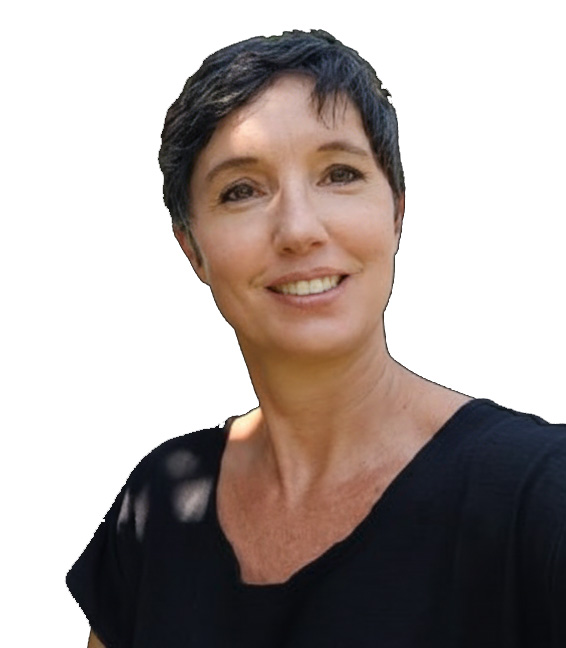
Clarisse BAVOUX
Toxicologist and Deputy Chief Executive Officer in charge of digital solutions, CEHTRA
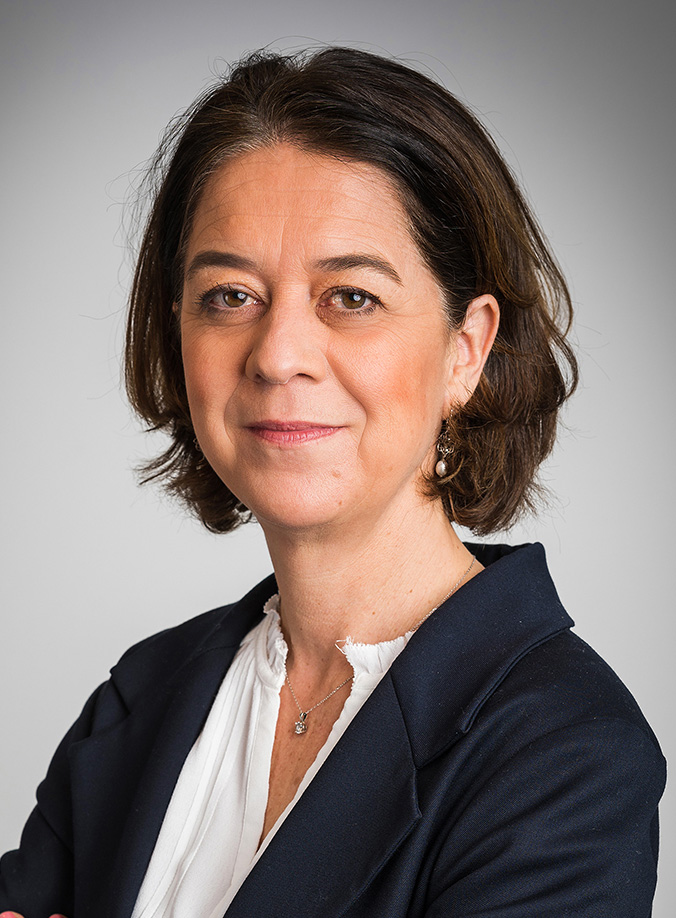
Cécile GUYOT
Communication Manager, COPTIS

Rainer Kröpke
Cosmetic scientist, entrepreneur and founder of Cosmacon GmbH, Tojo Cosmetics GmbH, Cosactive GmbH and Innosicos GmbH

Yann Chilvers
Founder & Co-CEO, Covalo AG

Perry Romanowski
Cosmetic Chemist, Vice President Element 44 Inc
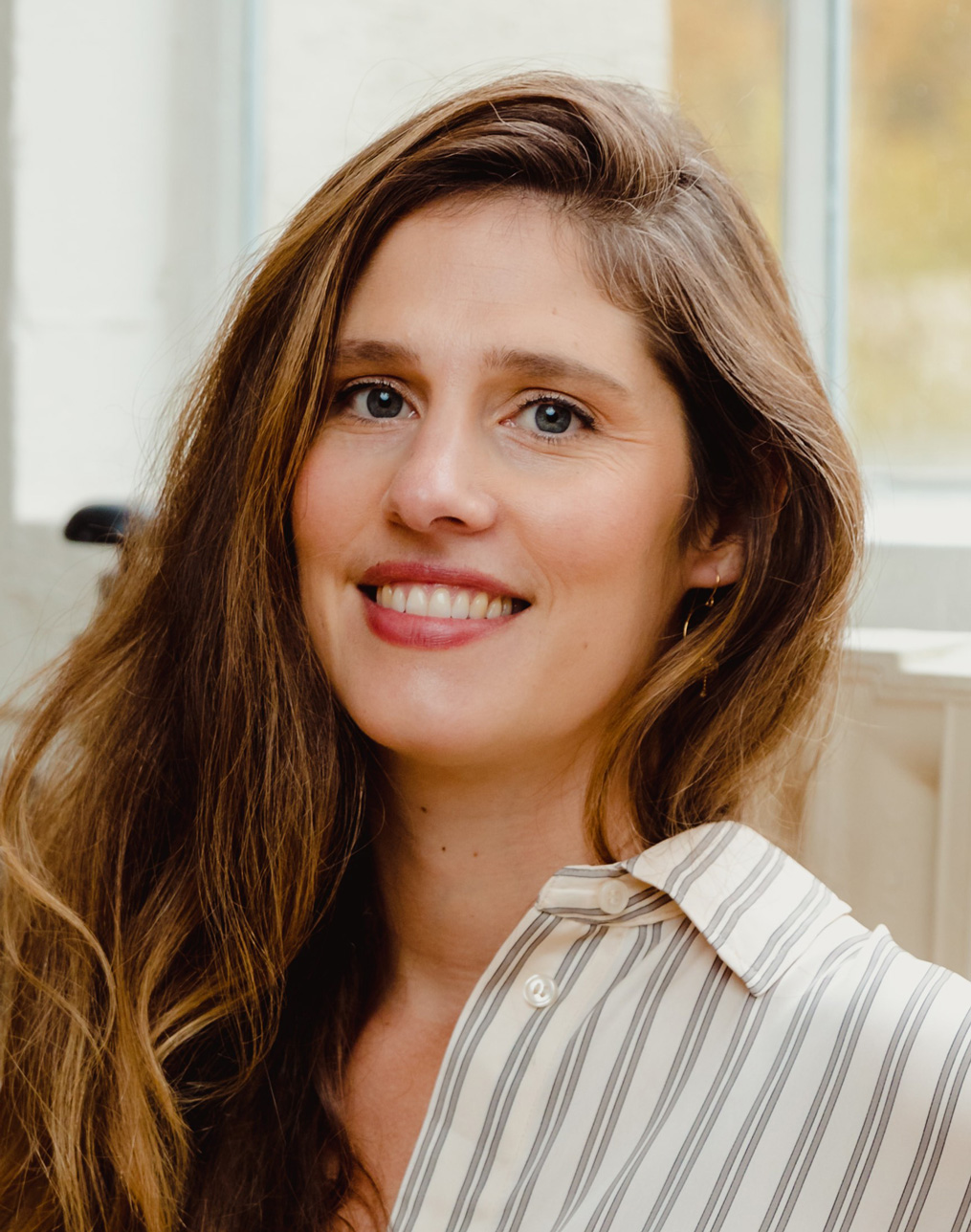
Elsa Jungman
Founder & CEO, HelloBiome

Olga V. Dueva-Koganov
VP and co-founder of Intellebio LLC
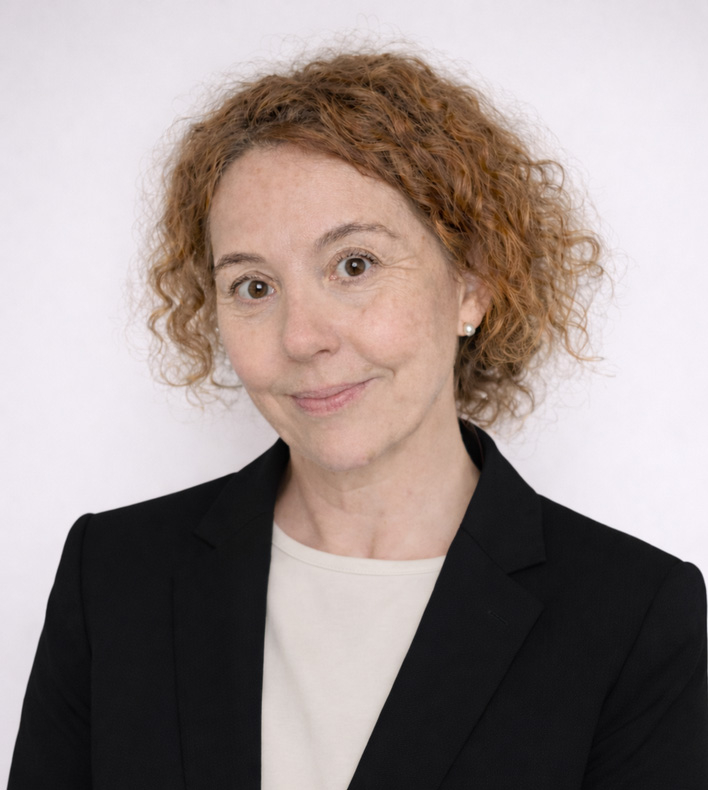
Eva Criado
Sr. Marketing & Communications Manager, Kensing
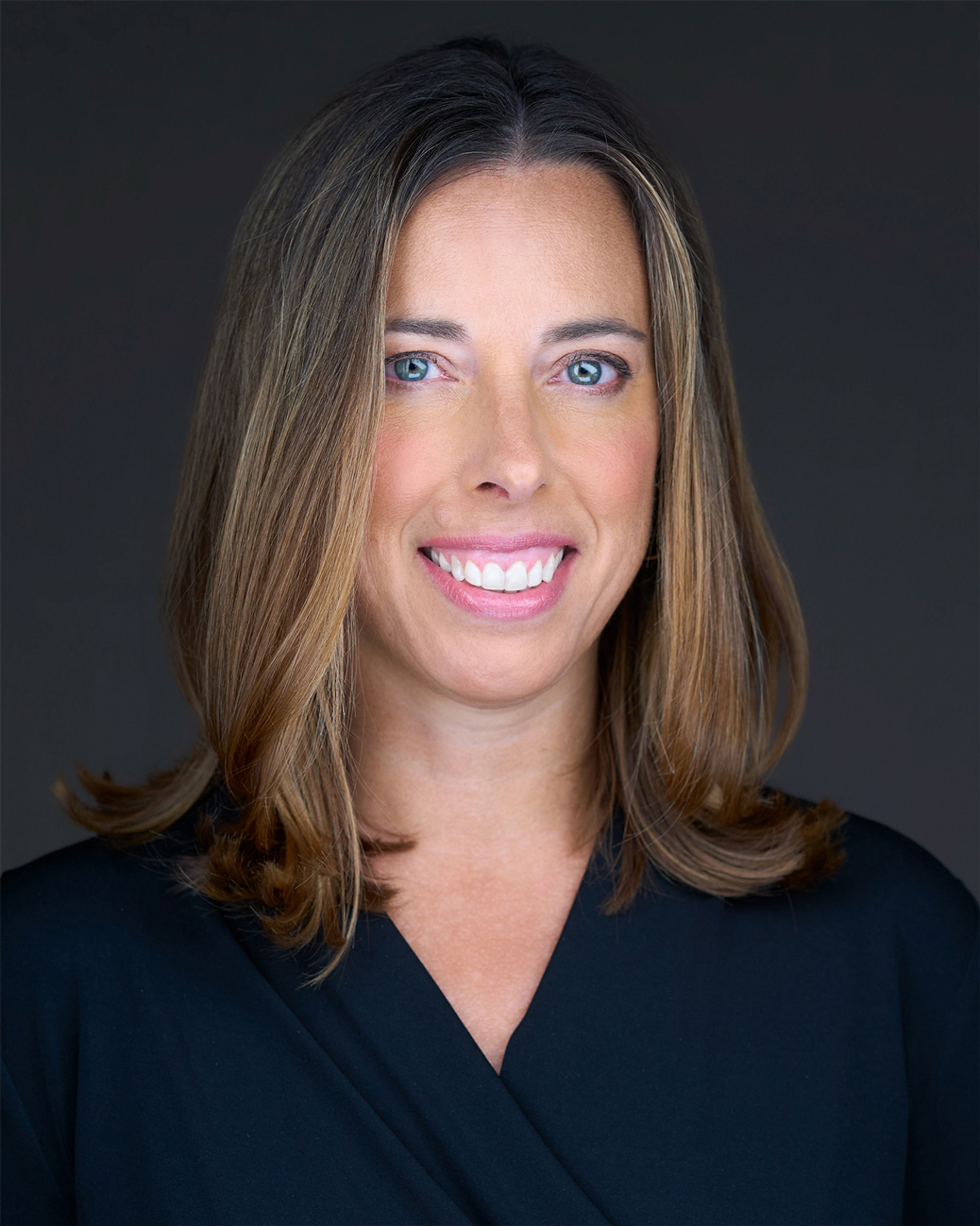
Carrie Mellage
Vice President, Beauty, Kline+Company
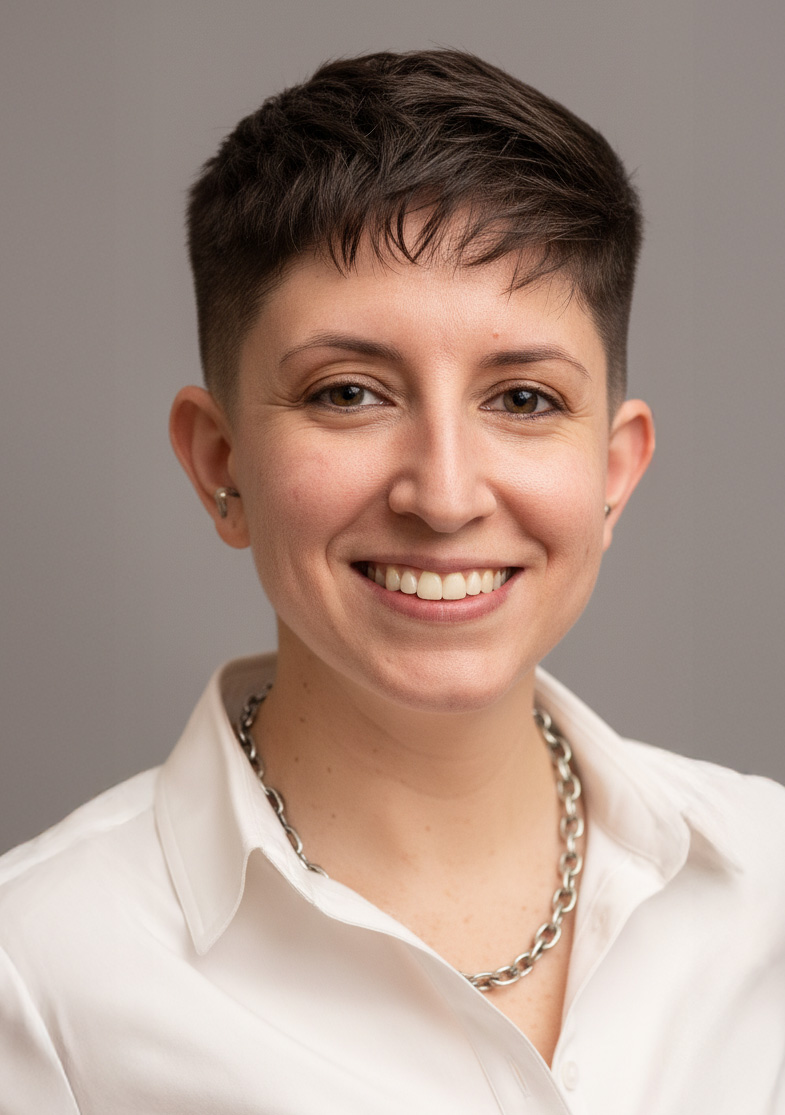
Sue Sender
Director of Marketing, Micro Powders

Dr. Mark Smith
NATRUE Director General

Francesco Ringressi
Business Development Manager, SEA Vision
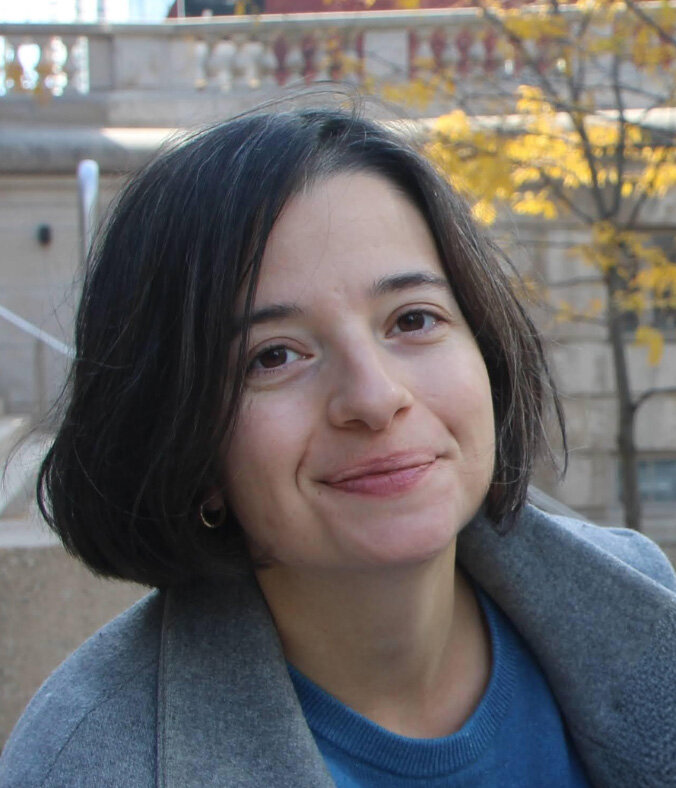
Julie Rojas
AI Scientist, SMEY
Rania Ibrahim
Founder SkinScience Analytics, USA
Nele Ameloot
Head of BioMolecules Business Development Center, Ghent University, Belgium
Lorena Bellas Domínguez
In Vivo Efficacy Test Manager, Zurko Research