Panel discussion on...
How AI is Speeding
Up Beauty & Personal Care Innovation
About the Author
Barbara Brockway

Barbara Brockway Consulting Ltd

Dr. Barbara Brockway is an independent consultant in the cosmetic industry, focusing on sustainability, cosmetic raw materials, and emerging technologies, including AI and DNA technology. She has chaired numerous In Cosmetics’ Formulation Summits in London, highlighting trends in beauty science. Her doctoral research centered on post-translational modification of collagen. With a career start at the Body Shop in 1993, she notably contributed to their Hemp range. Currently, she serves as a Trustee of the UK Society of Cosmetic Scientists (SCS).
Commentary article
The beauty and personal care industry is currently undergoing a digital transformation that touches every stage of a product’s life cycle, from the initial spark of an idea in a lab to the moment a consumer scans a barcode in a shop and beyond. By gathering perspectives from a diverse group of industry experts, as in so many aspects of our lives, it is clear that artificial intelligence (AI) is the primary engine driving this newfound speed and precision. What once took 18 to 24 months of traditional research and development can now be accomplished in a fraction of that time, allowing brands to respond to trends and consumer needs with unprecedented agility.
Revolutionising Discovery and Meeting Sustainability Goals
One of the most significant takeaways is how AI is helping the industry meet its sustainability goals. Experts note that AI is already acting as a powerful tool for finding natural alternatives to synthetic ingredients. By sifting through mountains of data, these systems can identify raw materials and natural blends that human researchers might have overlooked. This digital-first approach allows scientists to predict a product’s carbon footprint and biodegradability etc., much earlier in the process, ensuring that final high-performance products do not come with an unacceptable environmental or ethical cost.
Furthermore, AI is optimising biotechnology and changing how ingredients are grown rather than just harvested. Through microbial cell factories, researchers are using AI to engineer microbes that produce high-value ingredients in sustainable bioreactors. This process not only preserves land and resources but also uses predictive models to shorten the time it takes to engineer microbial strains, optimise fermentation conditions and predict yield.
Speeding Up the Formulation Lab
In the formulation lab, the days of pure trial-and-error are fading. Experts describe a shift toward digital twins, which are virtual versions of formulas that allow scientists to run simulations and learn faster than they ever could through physical experiments alone. In specialised areas like sunscreen development, where the technical hurdles are notoriously high, AI platforms are now capable of generating commercially viable formulas by integrating over 500,000 data points.
AI is not a human-replacement. Instead, it boosts expertise far beyond what was once thought possible. For example, AI can suggest reasonable starting formulas based on existing products and so giving the less experienced formulator a vital head start and helping them to solve tricky texture or stability issues, and that is before they have even started to add materials into a beaker! AI is already speeding up product development by allowing teams to bypass low-value manual tasks such as searching through thousands of technical document and to focus on the more exciting high-impact creative work.
Redefining Safety and Testing
Perhaps the most ethically significant advancement highlighted by the experts is AI’s role in using virtual skin simulations. Companies can now predict with better accuracy, how ingredients will interact with various skin types and tones before commissioning clinical trials with human panellists.
On the production line, AI ensures that this high-tech precision continues through to the final package. Systems now exist that can inspect complex products, like lipsticks, pixel-by-pixel at high speeds to catch tiny defects or contamination that a human eye would miss. This ensures that first-time-right manufacturing becomes the industry standard, so reducing waste and protecting brand reputations.
The Personalised Consumer Experience
For the consumer, AI is involved in online assessments and virtual try-ons. Shoppers receive a level of personalisation that was previously only available in luxury salons. Consumers use apps to instantly check ingredients, a products story and credentials before buying and as a result we are seeing a new level of transparency and accountability across the entire supply chain.
Reflections and Risks: The Human Balance
While the speed and productivity gains are undeniable, the expert panel is careful to note that AI is not a magic wand. There are critical risks to mitigate, starting with the environmental cost of the technology itself. The massive amount of energy and water required to run the data centres that power AI can sometimes clash with a brand’s sustainability goals.
There is also the danger of AI hallucinations being taken as correct and the misinformation loop, where AI begins to reference other machine-generated content, leading to biased or scientifically fragile marketing claims. Experts also strongly warn against the trap of AI-generated sameness!
What strikes me most about these findings is the many different ways that AI is already speeding up beauty. We are an industry famous for being early adopters of new technologies, adapting them, perhaps a little creatively, to our own particular needs (I am thinking here of say stem-cell technology), however it's not how fast and the ways we adopt AI that will shape the future of our industry, but how well we ensure that speed never outpaces safety. In a regulated industry like ours, there is no shortcut for the human expert who checks and checks again and is accountable for the final actions. The panel was clear on this point. AI cannot sign a safety report or take legal responsibility for a product claim. These must that strictly remain human obligations.
Ultimately, the most successful brands will be those that use AI as a tool rather than a replacement for human judgement. By grounding these high-tech tools in high-quality, vetted data and maintaining a sceptical eye, the industry can harness this amazing power responsibly. The future of beauty is a partnership, in which AI provides the speed and the digital backbone, but human experts provide the soul, the ethics, and the final seal of safety.
Panelists

Beta Montemayor
Vice-President; Director Science Regulation and Market Access, Cosmetics Alliance Canada


John Chave
Director General, Cosmetics Europe

Alexander Mohr
President, IFRA – International Fragrance Association

Mark Smith
Director General, NaTrue

Thomas F. Myers
President & CEO, Personal Care Products Council (PCPC)

Sybille Millet
Regulatory affairs manager at Cosmed- SMEunited representative, Cosmetics Working Group
Panelists

Carina Dewar
Product Developer, Amka Products (Pty) Ltd
Ashlee Cannady
Director, Strategic Marketing, Amyris
Anastasiia Kharina
Senior Regulatory Affairs Expert, Angel Consulting Srl

Boris Gaspar
Head of Market Development Personal Care EMEA, BASF Personal Care and Nutrition GmbH

Clarisse BAVOUX
Toxicologist and Deputy Chief Executive Officer in charge of digital solutions, CEHTRA
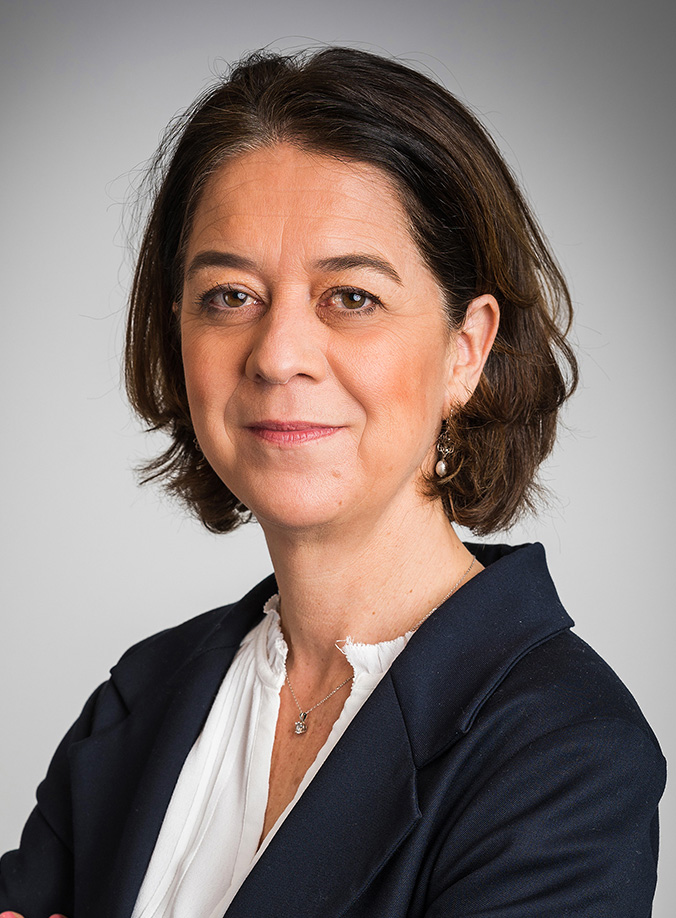
Cécile GUYOT
Communication Manager, COPTIS

Rainer Kröpke
Cosmetic scientist, entrepreneur and founder of Cosmacon GmbH, Tojo Cosmetics GmbH, Cosactive GmbH and Innosicos GmbH

Yann Chilvers
Founder & Co-CEO, Covalo AG

Perry Romanowski
Cosmetic Chemist, Vice President Element 44 Inc
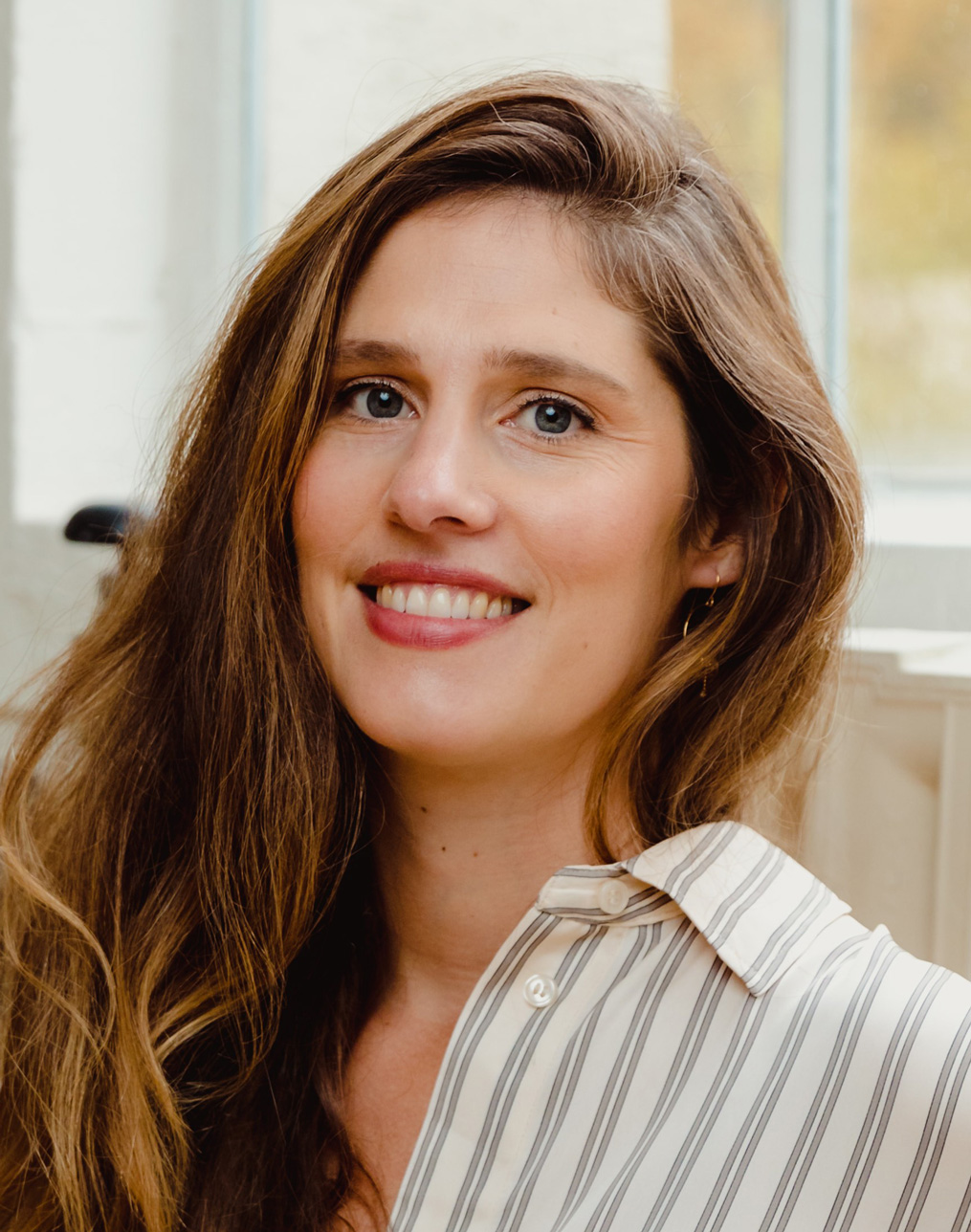
Elsa Jungman
Founder & CEO, HelloBiome

Olga V. Dueva-Koganov
VP and co-founder of Intellebio LLC

Eva Criado
Sr. Marketing & Communications Manager, Kensing

Carrie Mellage
Vice President, Beauty, Kline+Company
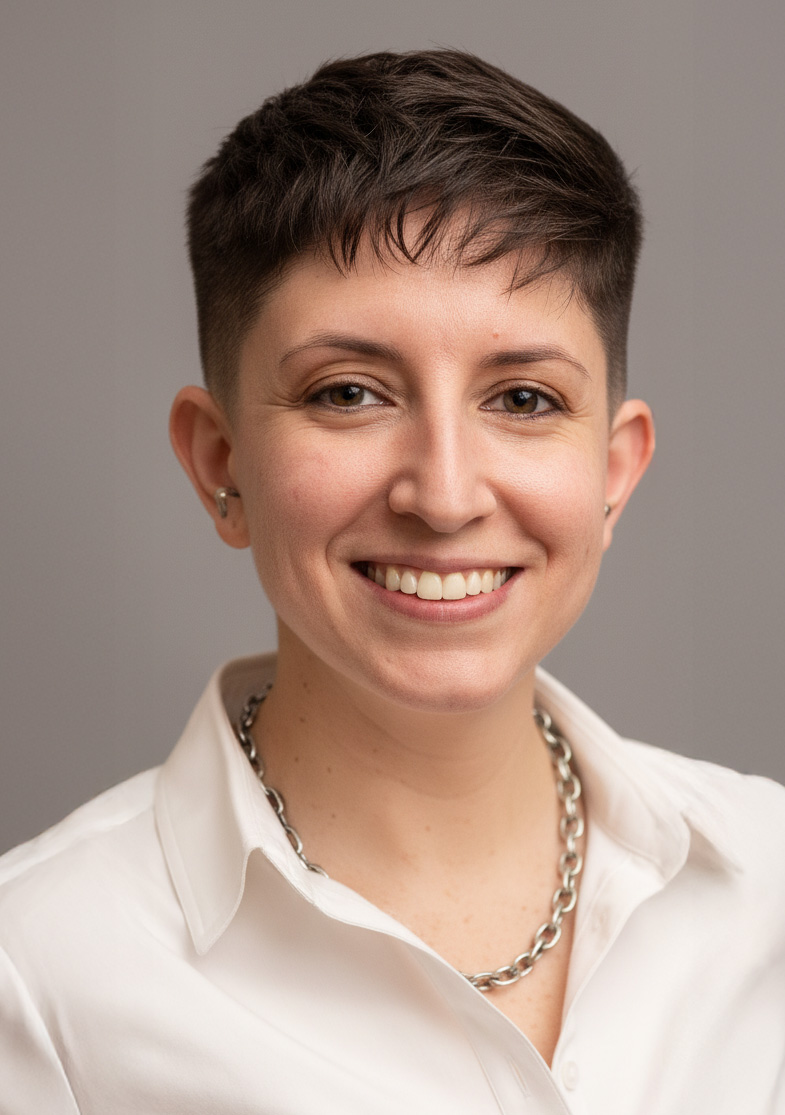
Sue Sender
Director of Marketing, Micro Powders

Dr. Mark Smith
NATRUE Director General

Francesco Ringressi
Business Development Manager, SEA Vision

Julie Rojas
AI Scientist, SMEY
Rania Ibrahim
Founder SkinScience Analytics, USA
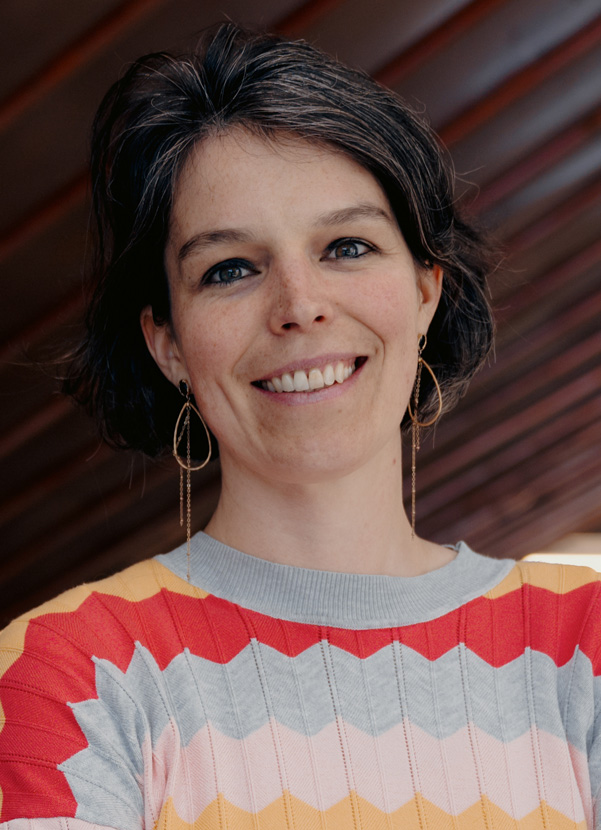
Nele Ameloot
Head of BioMolecules Business Development Center, Ghent University, Belgium
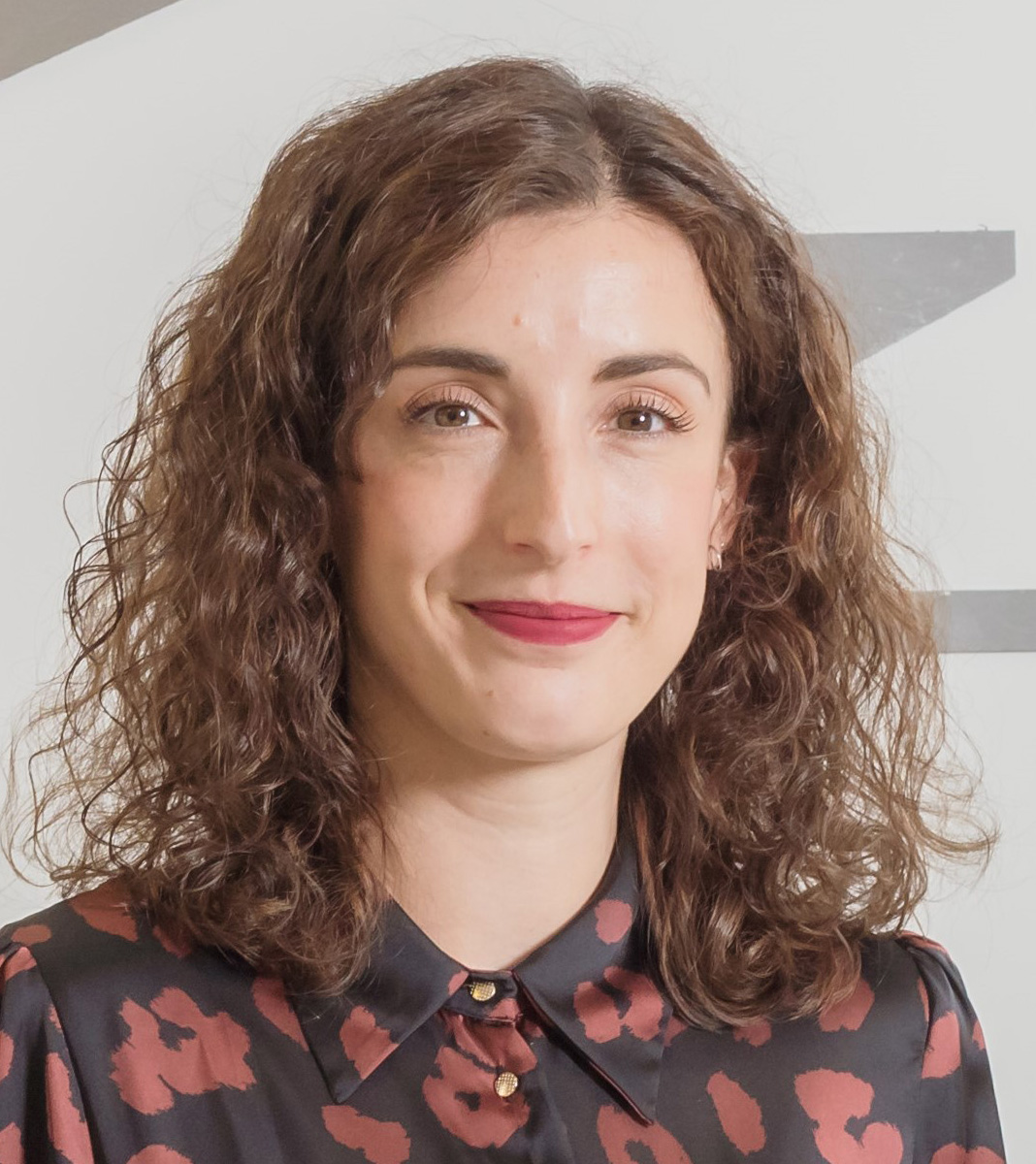
Lorena Bellas Domínguez
In Vivo Efficacy Test Manager, Zurko Research
References and notes
- Howes, M.J.R., Simmonds, M.S.J. and Kite, G.C. (2004) 'Evaluation of the quality of sandalwood essential oils by gas chromatography–mass spectrometry', Journal of Chromatography A, 1028(2), pp. 307-312. doi: 10.1016/j.chroma.2003.11.093.
- RTI Health, Social, and Economics Research (2002) 'The Economic Impacts of Inadequate Infrastructure for Software Testing', Report prepared for the National Institute of Standards and Technology (NIST), Gaithersburg, MD.