
Panel discussion on...
How AI is Speeding
Up Beauty & Personal Care Innovation
About the Author
Olga V. Dueva-Koganov

VP and co-founder of Intellebio LLC


Use of AI for sunscreen R&D
The traditional R&D processes often exceed 12 months, which constrains innovation throughput. According to research from Atelier and Accenture, outdated product development cycles contribute to an estimated US $86 billion in unrealized product potential. (1).
Recent industry news describes the use of Shiseido’s Voyager AI platform for sunscreen formulation development (2). Shiseido expanded its Voyager platform from a research-oriented search database into a formulation-trained AI system capable of autonomously generate complete, commercially viable cosmetic formulations. The platform was recently used to design a mist-type sun care product, demonstrating its ability to accelerate early-stage formulation development and reduce manual research load. Voyager integrates proprietary algorithms, ingredient informatics, and a large-scale formulation data base with over 500,000 data points. The system encodes cosmetic-specific knowledge—including emulsification behavior, phase stability mechanisms, and ingredient–ingredient interaction rules—that traditionally required expert interpretation. This knowledge is then used to generate formulation proposals aligned with predefined sensory, functional, and regulatory constraints. For the sunscreen project, Shiseido provided Voyager with a consumer-derived performance and sensory profile. The AI responded by proposing an SPF formulation with the aesthetics of a facial toner, derived from a biphasic beauty-oil architecture. According to Shiseido, this represents the first instance of a formulation-trained AI generating a suncare product that integrates UV protection, fragrance, and color within a unified formulation design.
The AI’s analysis provided a key insight: consumers prefer UV protection formats that do not feel obligatory or heavy. This guided the development of a mist-type sunscreen emphasizing water-light texture, rapid absorption, and positive sensory cues, while maintaining required SPF performance.
Apparently the key technical capabilities of Voyager include: autonomous formulation generation based on historical formulation data and ingredient-interaction models; ingredient informatics, enabling prediction of compatibility, phase behavior, and functional contributions; cross-domain knowledge integration, combining formulation science, sensory research, and consumer insights; support for less-experienced formulators, reducing reliance on manual literature review and trial-and-error experiments. Initially launched in 2024 as a search engine for internal R&D teams, Voyager now functions as a co-development system that augments human formulators by generating technically feasible prototypes that can be validated and refined through laboratory testing.
Shiseido plans to commercialize the first Voyager-designed sun care product under fibona, its open-innovation program, with a launch scheduled for summer 2026. The company anticipates that human–AI co-creation will expand its ability to explore novel formulation spaces and accelerate innovation across multiple cosmetic categories.
For formulators that do not have an access to specialized AI programs, there is always a possibility to utilize Microsoft Copilot for sunscreen R&D. Copilot is not a formulation engine. It serves as a scientific assistant, a documentation engine, and a data-synthesis tool that is aligned with existing workflows. It can be used to: summarize UV filter literature (photophysics, photostability, degradation pathways); compare regulatory constraints across regions (US, EU, ASEAN, etc); extract insights from patents on encapsulation, boosters, film formers, and hybrid systems; generate summaries of ISO standards (24444, 24443, 16217, etc.); and build competitive landscapes (filters, textures, claims, sensory trends).
Examples of Copilot prompts for sunscreen R&D:
1. UV Filter Science and Photophysics
Mechanisms & Interactions
“Summarize known filter-filter incompatibilities and propose mitigation strategies for each.”
Photostability
“Interpret the photostability risks of this filter system and suggest stabilizers or antioxidants that address each degradation pathway.”
2. Filter System Architecture
Designing for SPF/UVA Targets
“Generate three UV filter system architectures for SPF 30 broad-spectrum sunscreen for EU markets, prioritizing photostability and low whitening.”
“Propose hybrid organic–inorganic filter systems optimized for high UVA protection and minimal sensory impact.”
Compatibility & Solubility
“List solvents with high solubility for ethylhexyl triazone and describe how each affects film formation and SPF efficiency.”
3. Vehicle & System Design
Vehicle Selection
“Compare O/W, W/O, and anhydrous systems for a filter set containing Tinosorb S, Uvinul A Plus, and octocrylene, focusing on solubility, photostability, and sensory profile.”
“Explain how oil phase polarity influences filter crystallization risk and SPF performance.”
Film Formation
“Recommend film formers for a high-SPF daily-wear sunscreen and describe how each affects water resistance and photostability.”
4. DOE & Experimental Planning
Screening Matrices
“Create a DOE matrix to evaluate the impact of oil phase polarity on in vitro SPF and photostability for a hybrid filter system.”
Protocol Drafting
“Draft a photostability testing protocol aligned with ISO 24443, including irradiation conditions and evaluation metrics.”
5. Data Interpretation & Technical Analysis
SPF/UVA Data
“Interpret this in vitro SPF dataset and identify which prototype shows the highest photostability and why.”
Stability Data
“Analyze this stability dataset and identify root causes for viscosity drift and phase separation.”
6. Regulatory, Safety and Claims
Regulatory Alignment
“Summarize allowable UV filters and maximum concentrations for the US, EU, and ASEAN for SPF 30 products.”
Claims Development
“Summarize substantiation requirements for ‘broad spectrum,’ ‘water resistant,’ and ‘photostable’ claims.”
7. Technical Writing & Documentation
Reports & Summaries
“Draft a technical report summarizing the development of an SPF 30 photostable sunscreen, including filter rationale, DOE, and photostability results.”
Internal Documents
“Create a structured template for sunscreen formulation development documentation.”
8. Competitive & Trend Intelligence
Competitive Benchmarking
“Compare hybrid sunscreen architectures across top K-beauty and J-beauty brands, focusing on filter systems, textures, and claims.”
Trend Analysis
“Analyze current consumer trends in daily-wear SPF and map them to formulation opportunities.”
9. Scientific Reasoning
Innovation Exploration
“Propose next-generation sunscreen concepts using hybrid UV filter–antioxidant conjugates or encapsulated filter systems.”
Even as AI accelerates research, formulators, regulatory scientists, and product developers remain central to the process. AI can generate hypotheses, screen options, and synthesize information, but sunscreen development is governed by complex scientific, regulatory, and safety constraints that require expert judgment.
Panelists

Carina Dewar
Product Developer, Amka Products (Pty) Ltd

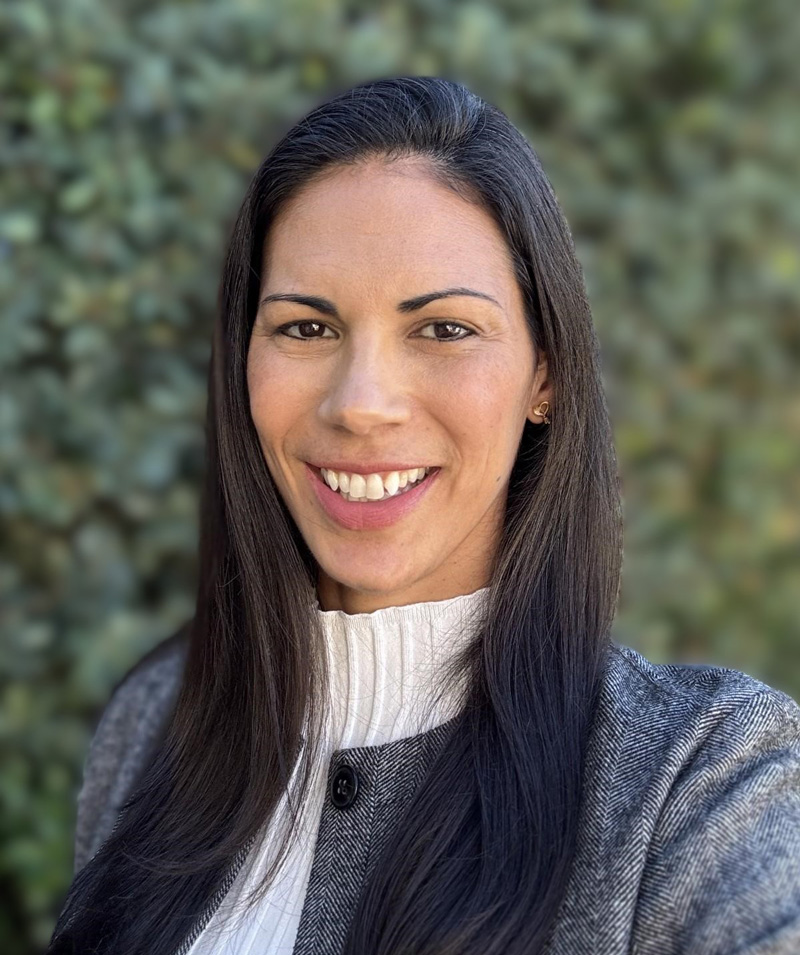
Ashlee Cannady
Director, Strategic Marketing, Amyris
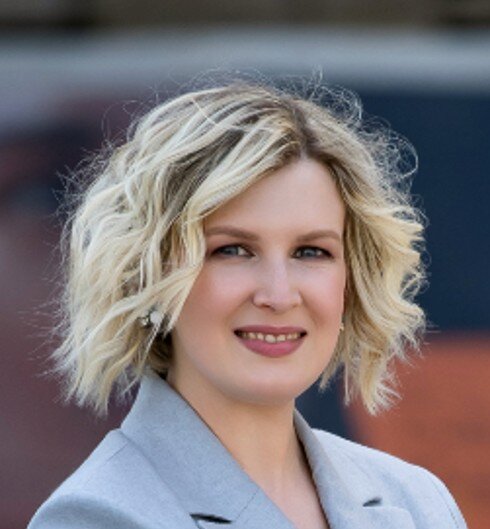
Anastasiia Kharina
Senior Regulatory Affairs Expert, Angel Consulting Srl

Boris Gaspar
Head of Market Development Personal Care EMEA, BASF Personal Care and Nutrition GmbH

Clarisse BAVOUX
Toxicologist and Deputy Chief Executive Officer in charge of digital solutions, CEHTRA

Cécile GUYOT
Communication Manager, COPTIS

Rainer Kröpke
Cosmetic scientist, entrepreneur and founder of Cosmacon GmbH, Tojo Cosmetics GmbH, Cosactive GmbH and Innosicos GmbH

Yann Chilvers
Founder & Co-CEO, Covalo AG

Perry Romanowski
Cosmetic Chemist, Vice President Element 44 Inc
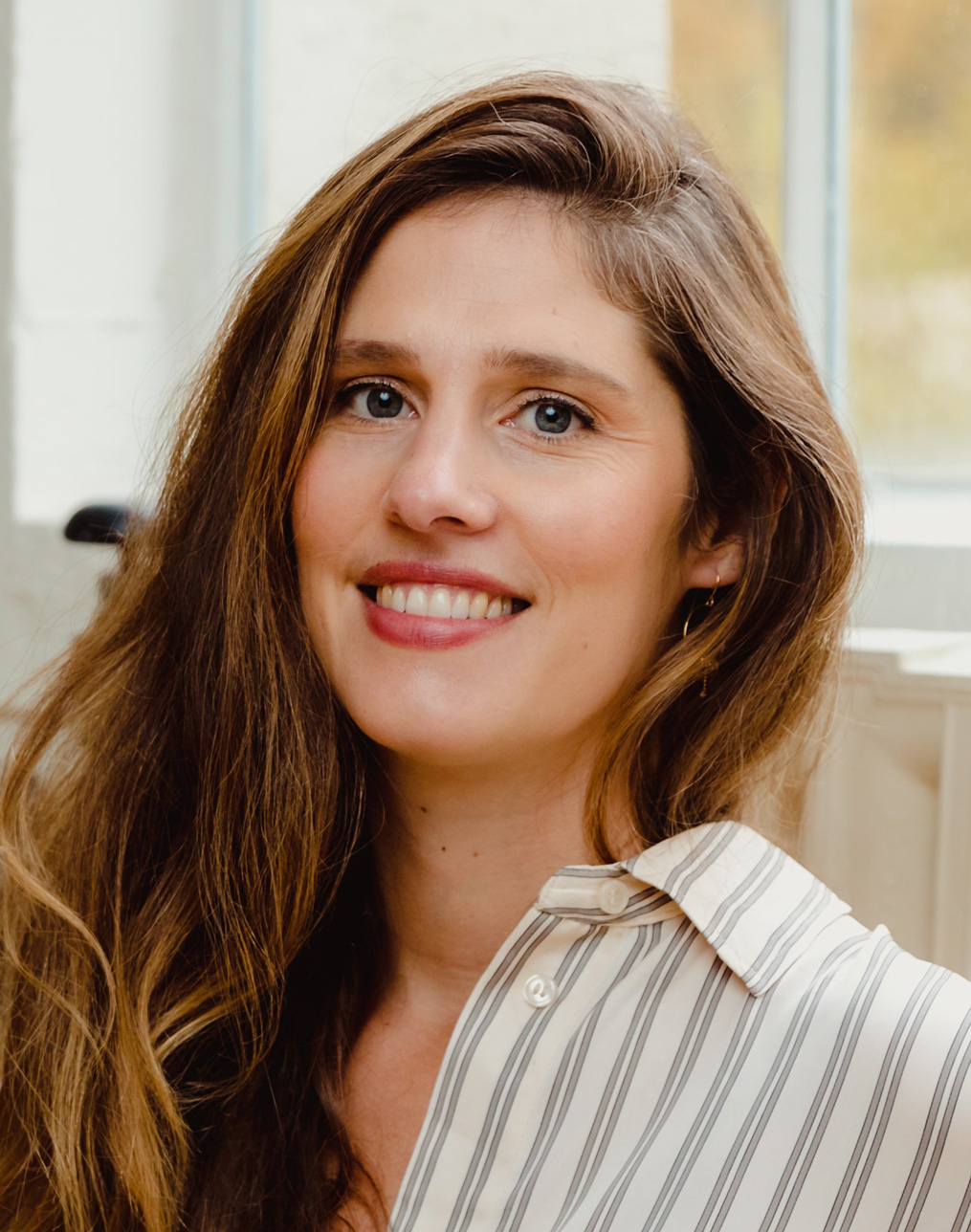
Elsa Jungman
Founder & CEO, HelloBiome

Olga V. Dueva-Koganov
VP and co-founder of Intellebio LLC

Eva Criado
Sr. Marketing & Communications Manager, Kensing

Carrie Mellage
Vice President, Beauty, Kline+Company
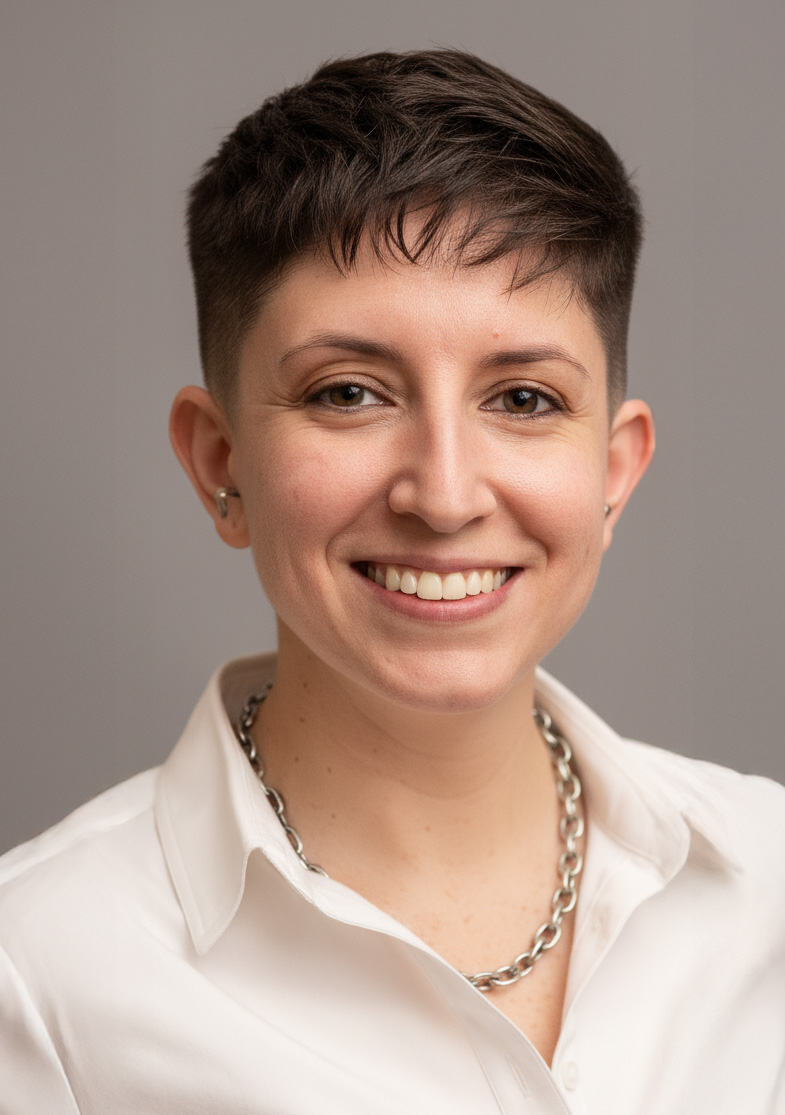
Sue Sender
Director of Marketing, Micro Powders

Dr. Mark Smith
NATRUE Director General

Francesco Ringressi
Business Development Manager, SEA Vision

Julie Rojas
AI Scientist, SMEY
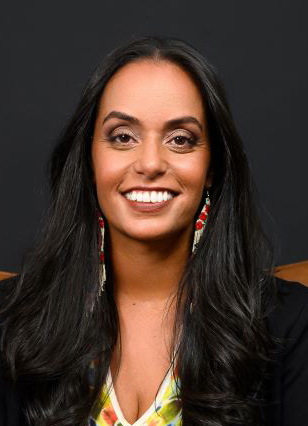
Rania Ibrahim
Founder SkinScience Analytics, USA
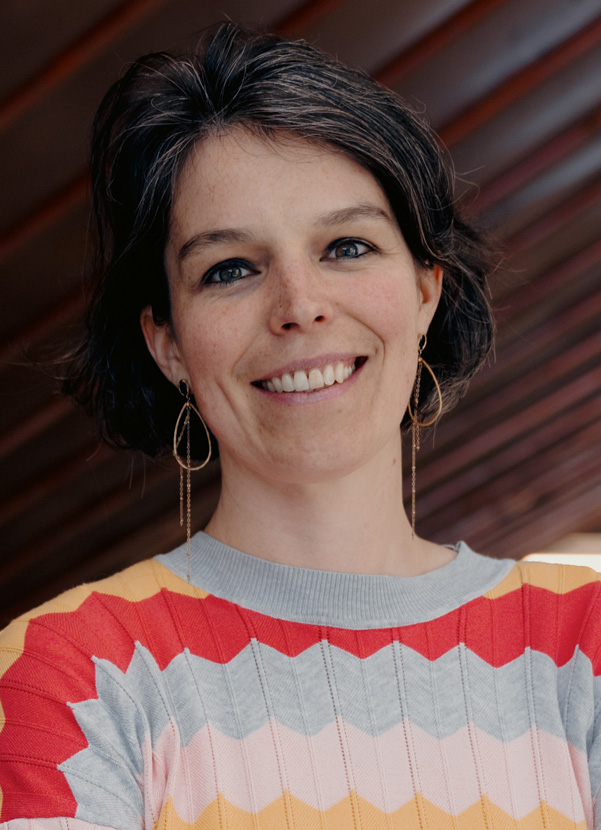
Nele Ameloot
Head of BioMolecules Business Development Center, Ghent University, Belgium

Lorena Bellas Domínguez
In Vivo Efficacy Test Manager, Zurko Research