Panel discussion on...
How AI is Speeding
Up Beauty & Personal Care Innovation
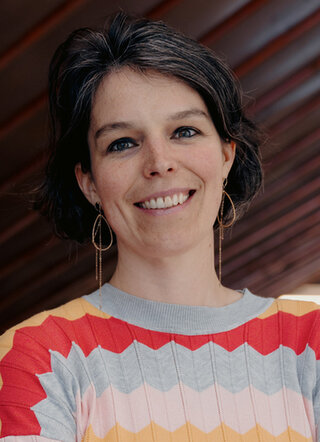
About the Author
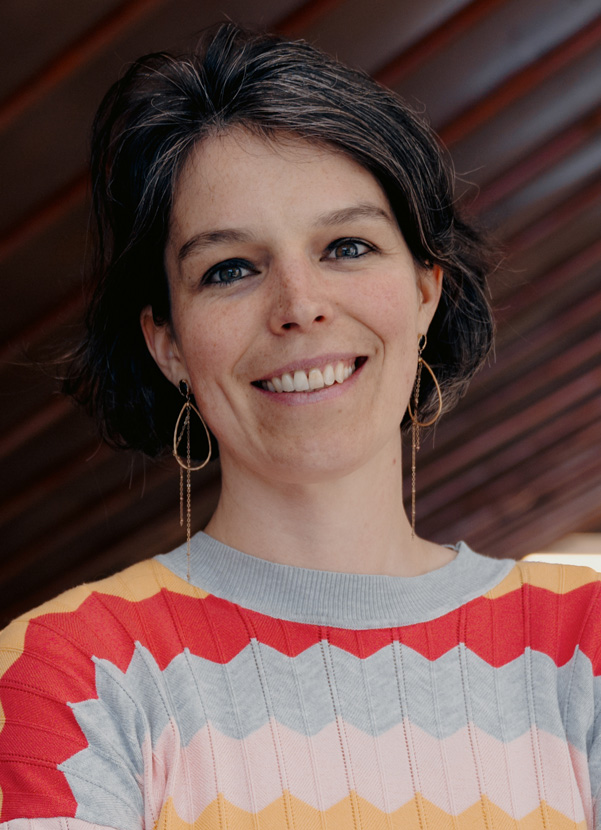
Dr. Nele Ameloot

Head of BioMolecules Business Development Center, Ghent University, Belgium
The use of AI
- Putting generative AI to one side, in what ways, specific to your area of expertise in the beauty industry, are you seeing AI being used? Can you share some AI success stories?
In industrial biotechnology and cosmetic ingredient development, AI is primarily being used in:
- Enzyme engineering and protein design
Machine learning models help predict enzyme functionality, optimize catalytic efficiency, and improve stability. In projects such as deCYPher (1) (EU Horizon), AI-supported approaches accelerate the discovery and optimization of cytochrome P450 enzymes for biosynthetic pathways. - Metabolic pathway optimization
AI models assist in mapping biosynthetic routes and predicting bottlenecks in microbial production systems. This significantly shortens strain engineering cycles. - Strain improvement and yield prediction
Predictive modeling supports the optimization of microbial cell factories, reducing experimental iterations and resource consumption.
Success stories:
AI dramatically reduces experimental trial-and-error cycles, which traditionally consume time, materials, and energy. In enzyme-driven cosmetic ingredient development, this translates into faster scalability and improved sustainability profiles.
Which AI platforms, tools, or technologies do you feel are bringing the greatest benefits to your sector, particularly regarding speed, cost, innovation, or problem-solving?
The most impactful technologies in this sector include:
- Machine learning for protein/enzyme structure and function prediction (thermostability, pH range, kinetic parameters)
- Data-driven metabolic modeling tools and chemometrics, to analyse complex chemical compositions
- Predictive analytics platforms for bioprocess optimization & digital twins
Their greatest advantages are:
- Speed (shorter R&D cycles)
- Cost reduction (fewer failed experiments)
- Innovation acceleration (exploring design spaces not intuitively accessible)
Sustainability optimization (more efficient bioproduction)
Can you share the ways you validate AI-generated material? Do you feel documentation, validation, and transparency should be mandatory when using AI?
AI outputs in biotechnology must always be experimentally validated. In practice:
In silico predictions are first assessed for plausibility. But Wet lab validation is needed to confirm activity, stability, or yield.
Documentation, validation, and transparency should absolutely be mandatory.
AI should support scientific decision-making, not replace empirical verification.
Formulation and R&D
Are you using AI to predict ingredient interactions, stability, or compatibility with other raw materials?
Yes, we have self-developed AI-based chemometrics model to analyze, authenticate, and classify complex chemical compositions of cosmetic products, such as perfumes versus its dupes. We develop proprietary biosensors (2) for the rapid detection of toxins and other unwanted compounds during the production of cosmetic ingredients, such as plant extracts and natural products
Does AI help you identify sustainable or "green" alternatives to traditional ingredients?
Instead of harvesting tons of plant material to isolate only a few grams of the desired compound, these molecules can be produced efficiently in controlled bioreactors using optimized microbial cell factories, and AI can speed up this transition.
How do you handle intellectual property concerns when using third-party AI platforms for proprietary ingredient development?
Be cautious about sharing IP sensitive information, but use for example AI to speed up Freedom To Operate (FTO) searches or prior art searches for patents.
Panelists

Carina Dewar
Product Developer, Amka Products (Pty) Ltd

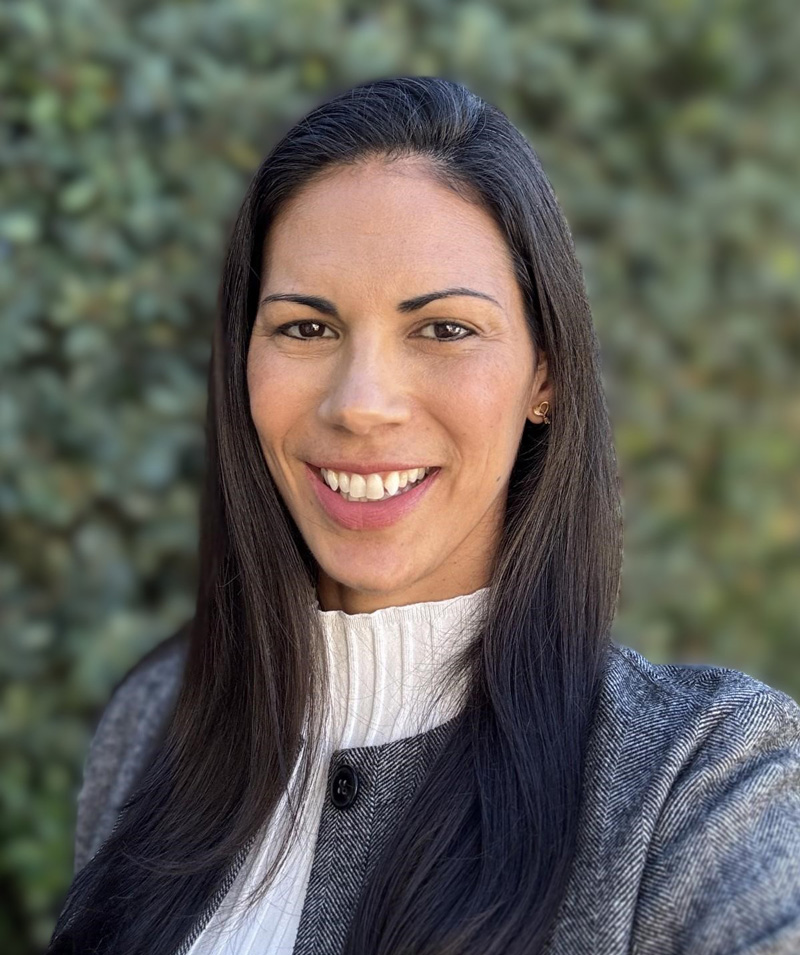
Ashlee Cannady
Director, Strategic Marketing, Amyris
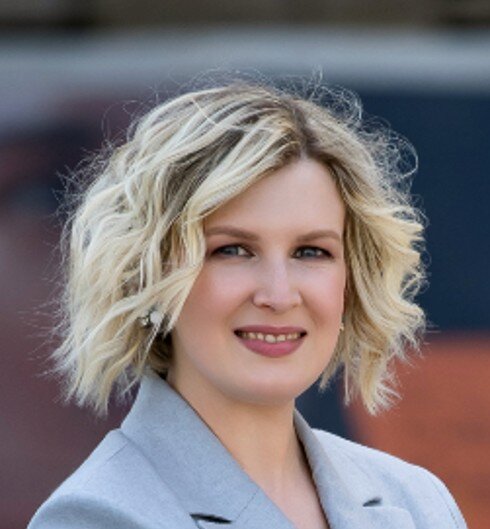
Anastasiia Kharina
Senior Regulatory Affairs Expert, Angel Consulting Srl
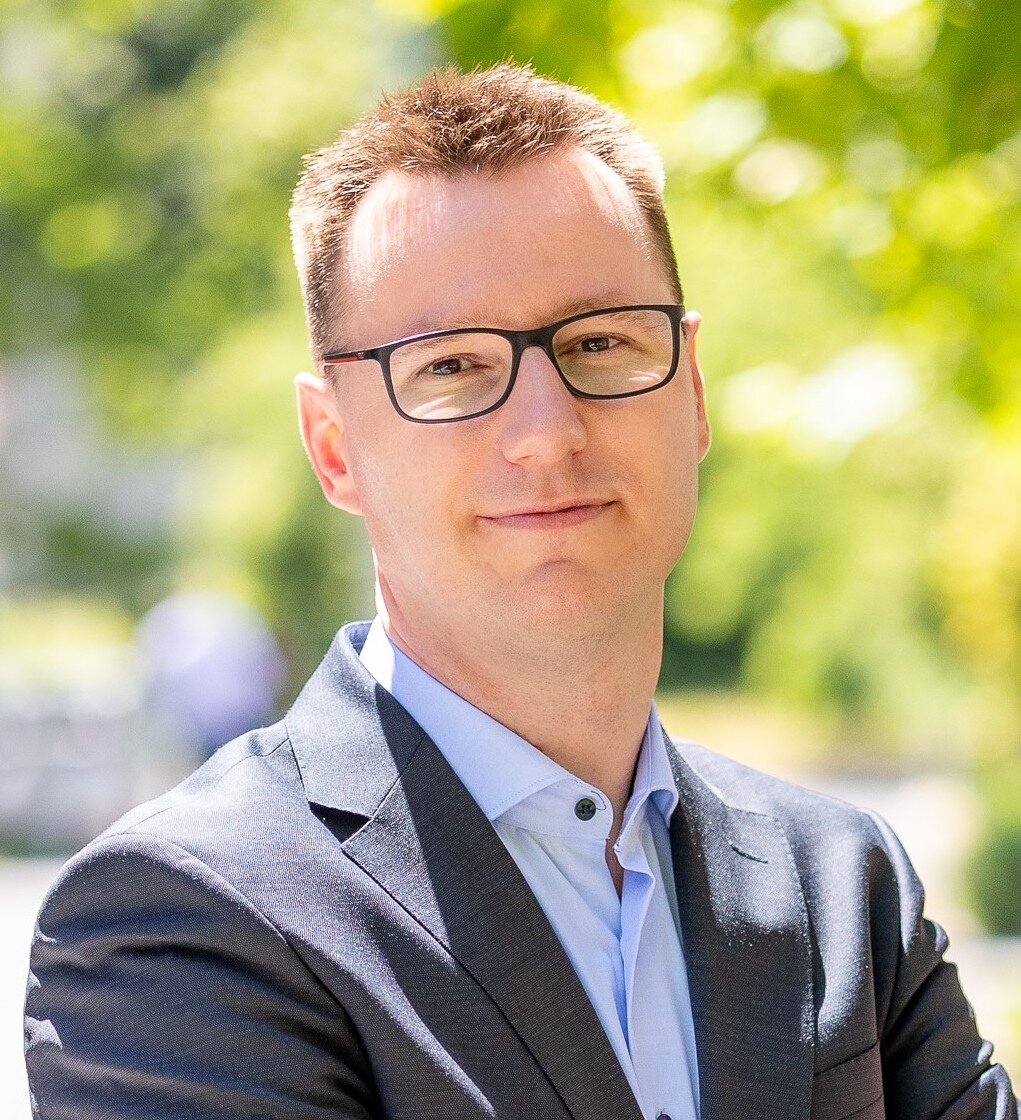
Boris Gaspar
Head of Market Development Personal Care EMEA, BASF Personal Care and Nutrition GmbH
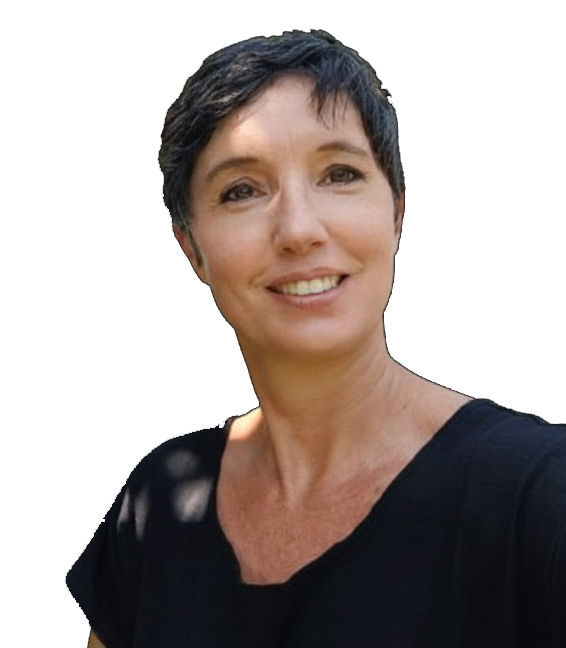
Clarisse BAVOUX
Toxicologist and Deputy Chief Executive Officer in charge of digital solutions, CEHTRA
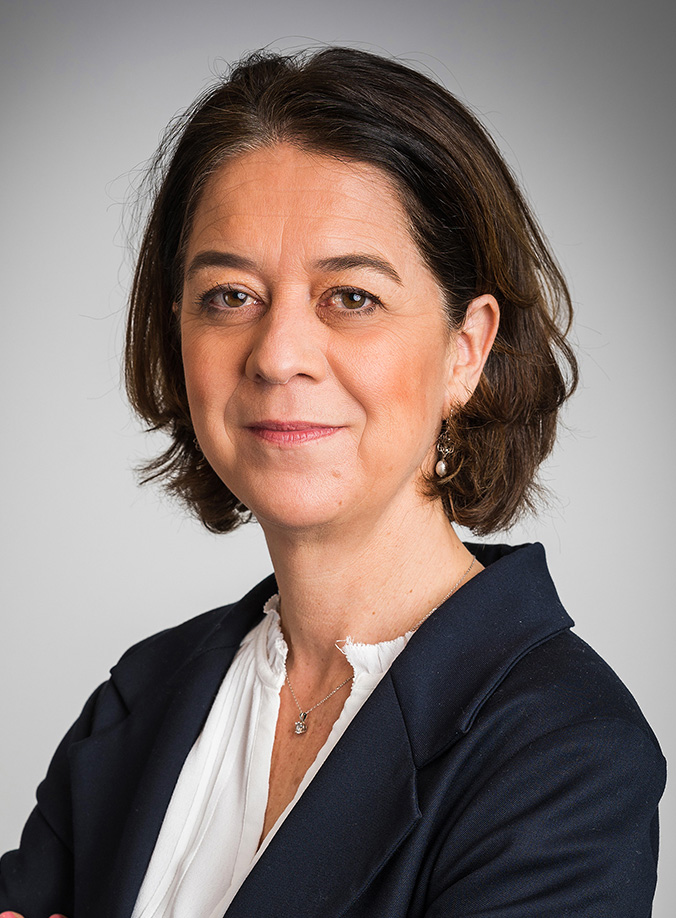
Cécile GUYOT
Communication Manager, COPTIS

Rainer Kröpke
Cosmetic scientist, entrepreneur and founder of Cosmacon GmbH, Tojo Cosmetics GmbH, Cosactive GmbH and Innosicos GmbH
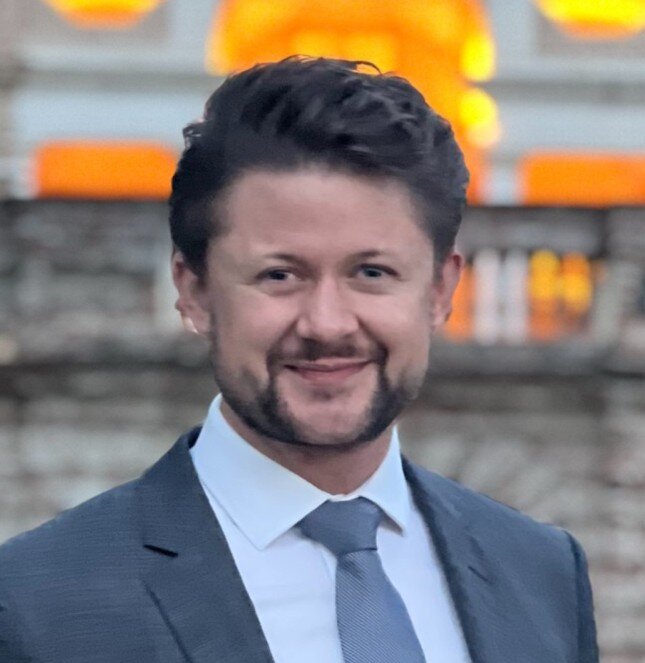
Yann Chilvers
Founder & Co-CEO, Covalo AG

Perry Romanowski
Cosmetic Chemist, Vice President Element 44 Inc
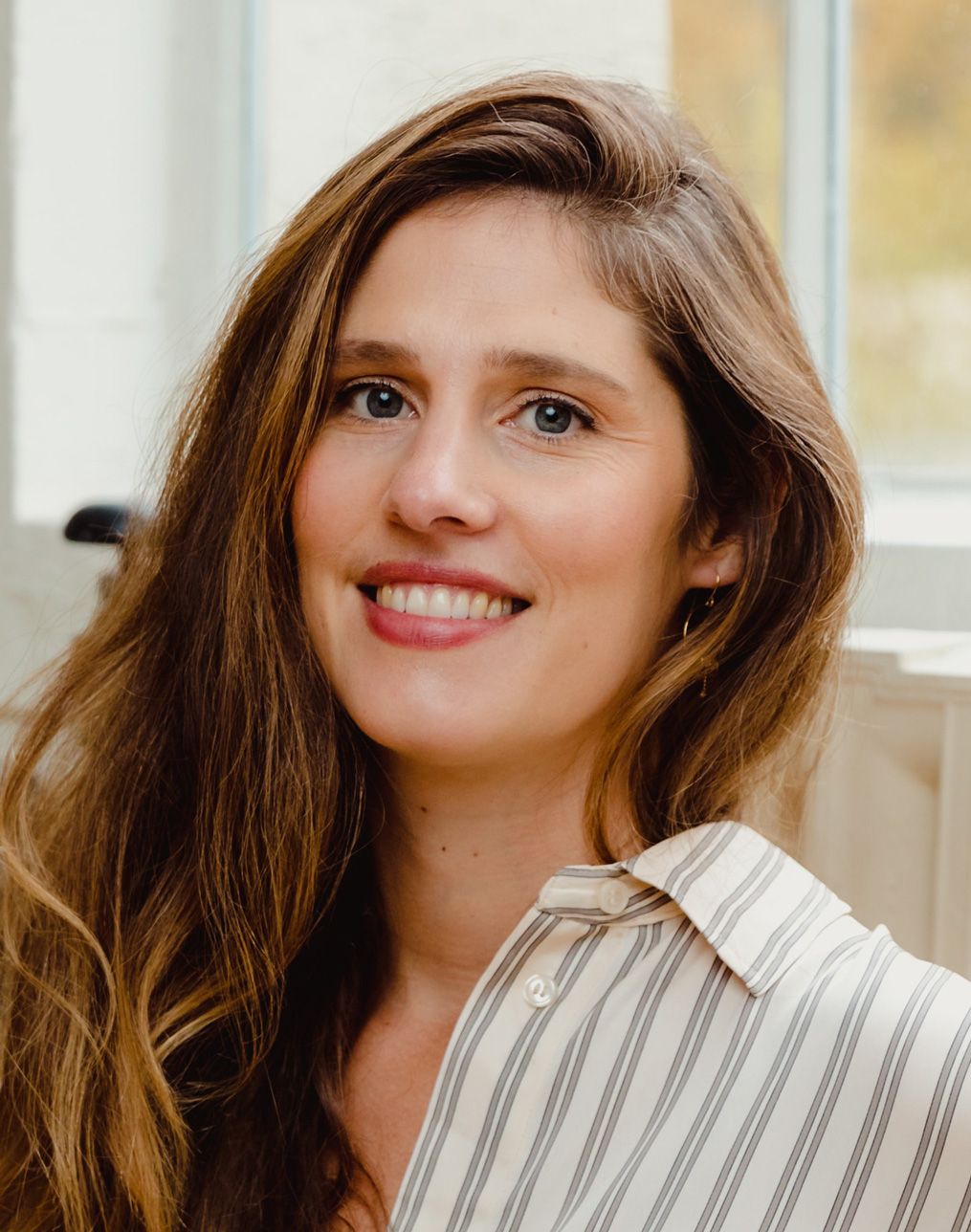
Elsa Jungman
Founder & CEO, HelloBiome

Olga V. Dueva-Koganov
VP and co-founder of Intellebio LLC
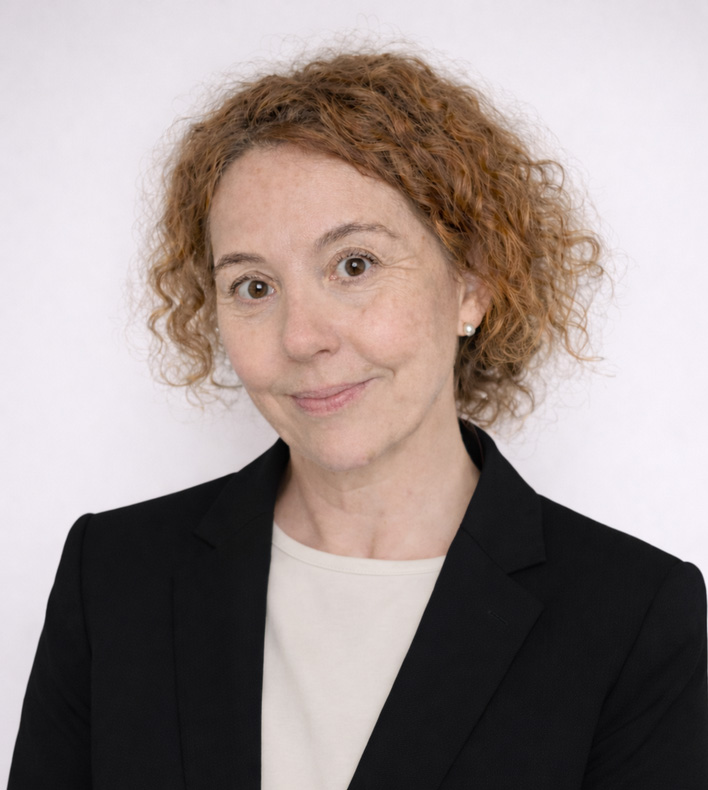
Eva Criado
Sr. Marketing & Communications Manager, Kensing

Carrie Mellage
Vice President, Beauty, Kline+Company
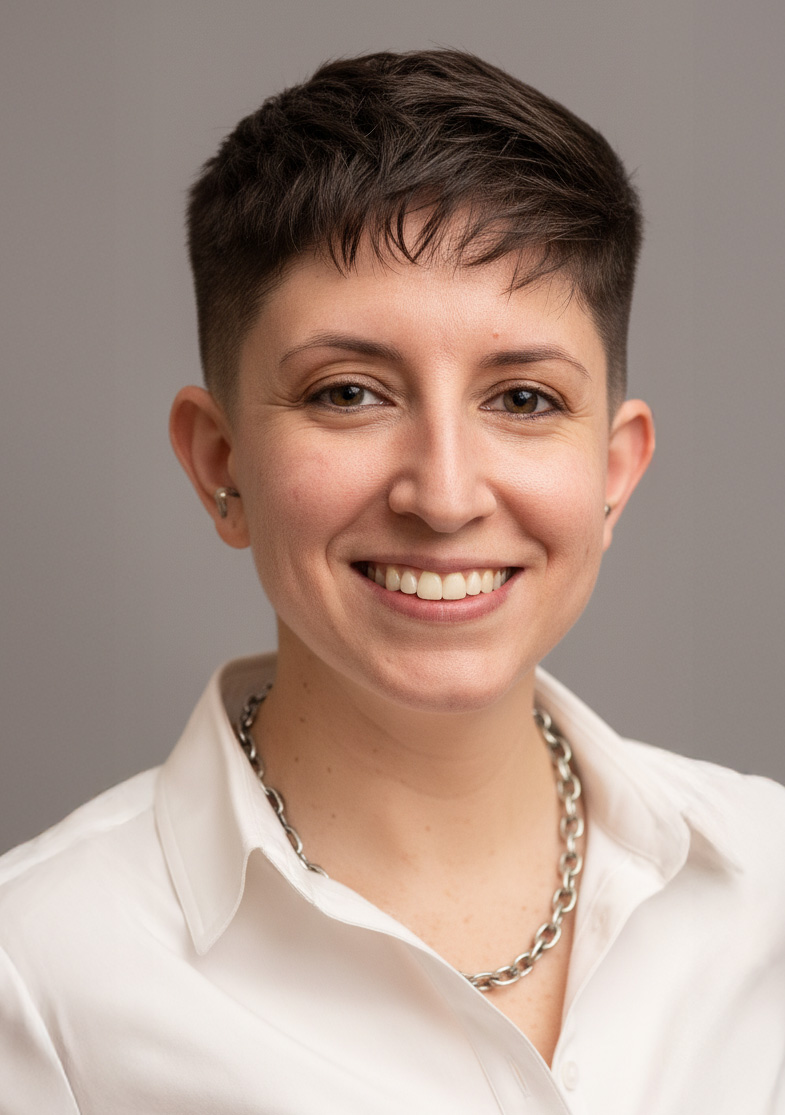
Sue Sender
Director of Marketing, Micro Powders

Dr. Mark Smith
NATRUE Director General

Francesco Ringressi
Business Development Manager, SEA Vision
Julie Rojas
AI Scientist, SMEY
Rania Ibrahim
Founder SkinScience Analytics, USA
Nele Ameloot
Head of BioMolecules Business Development Center, Ghent University, Belgium
Lorena Bellas Domínguez
In Vivo Efficacy Test Manager, Zurko Research