Panel discussion on...
How AI is Speeding
Up Beauty & Personal Care Innovation
About the Author
Lorena Bellas Domínguez

In Vivo Efficacy Test Manager, Zurko Research
AI and the substantiation of cosmetic claims: scientific tool or new blind spot?
Context: why AI has entered the debate on claims
Artificial intelligence (AI) has been progressively integrated into various areas of the cosmetics industry, particularly those related to data analysis, process optimization, and the evaluation of complex results. Unlike other technological waves, its adoption has not occurred as a direct replacement of existing methodologies, but rather as an additional layer of automation and interpretation. However, when AI begins to influence the substantiation of cosmetic claims, the debate ceases to be purely technical and becomes methodological, ethical, and regulatory.
In this context, it is essential to distinguish between the use of AI as a tool to support scientific analysis and its use as an implicit argument of authority. The question is no longer whether AI can analyze data, but how—and to what extent—its results can be considered valid evidence to support a claim communicated to the consumer.
Where does AI add real value today?
In its current applications, AI shows clear value in managing and analyzing large volumes of data generated during cosmetic efficacy studies. Machine learning–based tools make it possible to identify patterns, reduce variability, and accelerate the processing of instrumental or image data, especially in studies where a high number of parameters are evaluated.
AI can also help optimize study design by assisting in the selection of relevant variables or detecting inconsistencies in data before they affect the final interpretation. When properly validated, these applications can reduce time and costs without compromising scientific rigor—particularly relevant in an environment of increasing pressure on timelines and resources.
However, this value is realized mainly when AI acts as a support tool rather than a substitute for expert judgment. The benefit lies not in automation per se, but in the ability to improve the quality and coherence of the analysis.
The critical point: when AI influences a claim
The debate intensifies when results obtained through AI-based systems begin to be used to substantiate specific cosmetic claims. At this stage, the risk lies less in the technology itself and more in how its results are interpreted or used.
The transition from data analysis to claim substantiation involves a series of methodological decisions that cannot be fully delegated to an algorithm. AI can identify trends or correlations, help manage data, and streamline processes, but it does not itself establish cosmetic relevance, clinical significance, or the communicative appropriateness of a result.
There is also the risk of excessive simplification, whereby complex results are translated into clear but scientifically fragile messages. In such cases, AI can become a new “blind spot”: a tool perceived as objective and infallible, whose limitations are not always understood or adequately communicated.
Validation and transparency: option or requirement?
One of the most critical aspects of using AI in claims substantiation is the validation of the tools and models employed. For AI-generated or AI-analyzed results to be defensible, they must be subjected to validation protocols equivalent to those required for traditional methods.
This includes traceability of input data, understanding of model training criteria, reproducibility of results, and the ability to explain—at least at a methodological level—how conclusions were reached. Without these elements, AI introduces a layer of opacity that is difficult to justify in a regulatory context.
From this perspective, transparency should not be considered an optional best practice, but a fundamental requirement. Clear and accessible documentation of AI-based systems not only facilitates their defense before authorities or audits, but also strengthens the scientific credibility of the claims supported by them.
Ethical challenges that cannot be ignored
Beyond technical validation, the use of AI in cosmetic claim substantiation raises significant ethical challenges. Among them is the risk of bias in the datasets used to train models, particularly with respect to phototypes, age, gender, or specific skin conditions.
If such biases are not identified and corrected, the resulting outcomes may not be representative of the population for which the product is intended, compromising both scientific validity and the fairness of the message.
Reproducibility of results and consistency across studies also become key factors in maintaining trust—not only among authorities, but also among consumers themselves. Addressing these challenges requires a combination of methodological rigor, human oversight, and ethical reflection that goes beyond mere compliance with minimum requirements.
Open questions for the industry
The use of AI in the substantiation of cosmetic claims opens up a series of questions that the sector has yet to answer. Should explicit limits be established on its use for certain types of claims? Who bears ultimate responsibility when a claim is supported by results generated or analyzed by AI? What level of evidence will be considered acceptable in the near future?
Rather than offering definitive answers, these questions invite a necessary debate. AI has the potential to strengthen the scientific foundation of cosmetic claims—but only if it is used with judgment, transparency, and responsibility. Otherwise, it risks becoming an additional source of uncertainty in an area where trust is essential.
References and notes
Panelists

Carina Dewar
Product Developer, Amka Products (Pty) Ltd

Ashlee Cannady
Director, Strategic Marketing, Amyris
Anastasiia Kharina
Senior Regulatory Affairs Expert, Angel Consulting Srl
Boris Gaspar
Head of Market Development Personal Care EMEA, BASF Personal Care and Nutrition GmbH
Clarisse BAVOUX
Toxicologist and Deputy Chief Executive Officer in charge of digital solutions, CEHTRA
Cécile GUYOT
Communication Manager, COPTIS

Rainer Kröpke
Cosmetic scientist, entrepreneur and founder of Cosmacon GmbH, Tojo Cosmetics GmbH, Cosactive GmbH and Innosicos GmbH
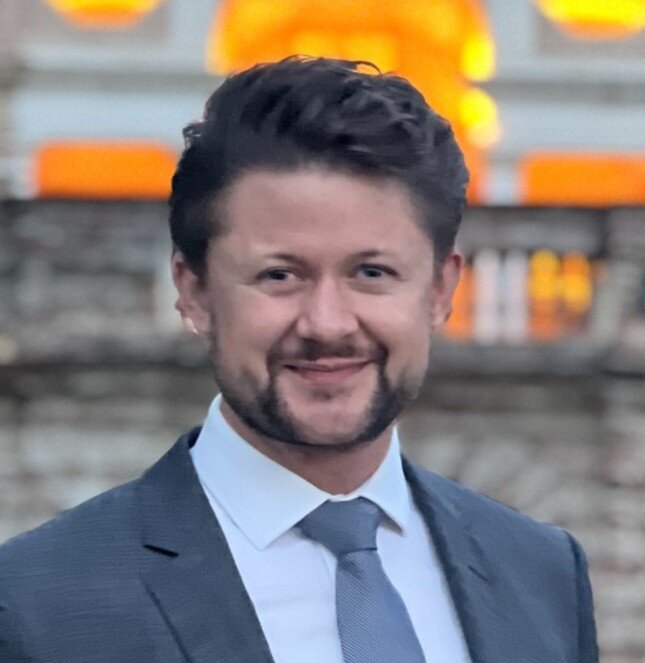
Yann Chilvers
Founder & Co-CEO, Covalo AG

Perry Romanowski
Cosmetic Chemist, Vice President Element 44 Inc
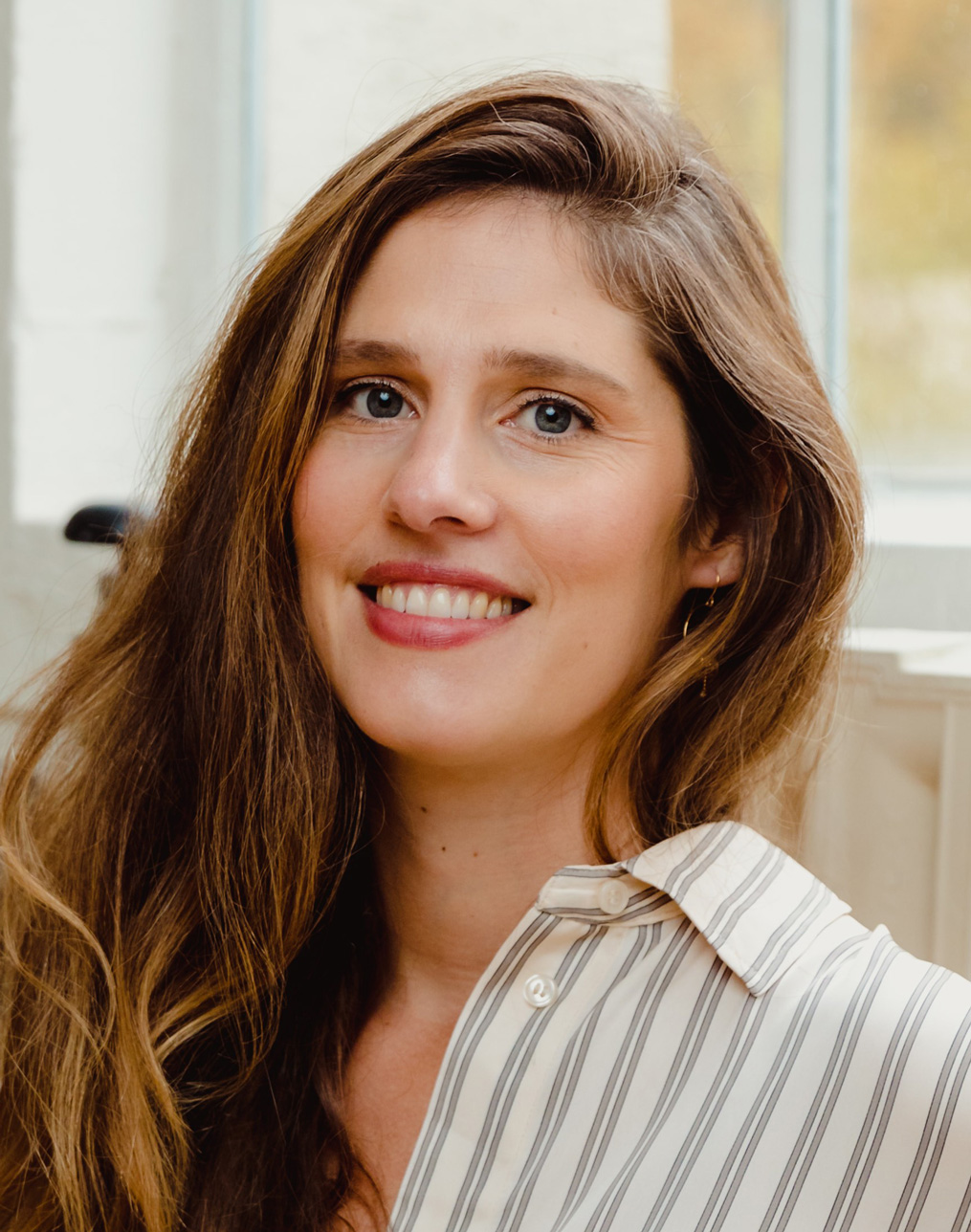
Elsa Jungman
Founder & CEO, HelloBiome

Olga V. Dueva-Koganov
VP and co-founder of Intellebio LLC
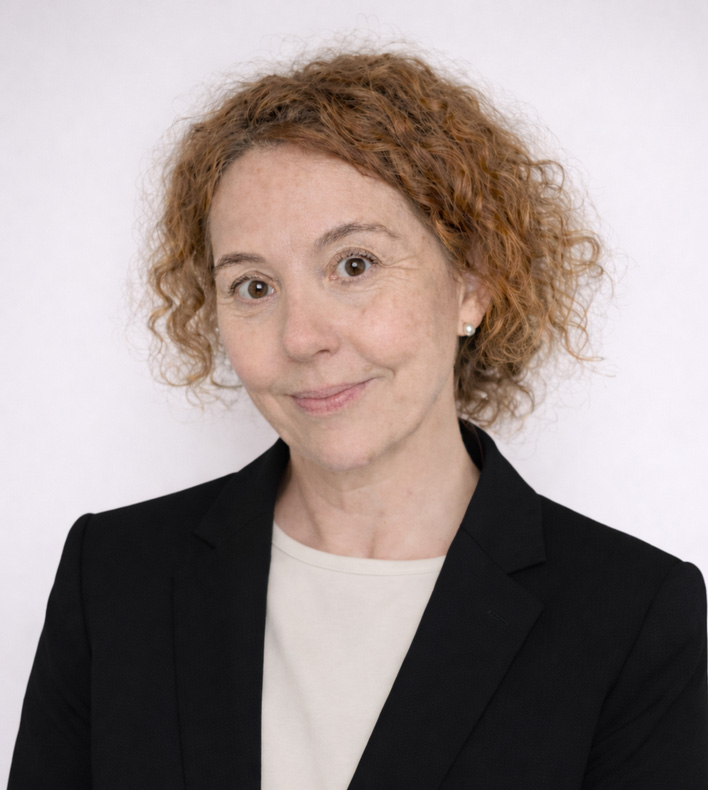
Eva Criado
Sr. Marketing & Communications Manager, Kensing
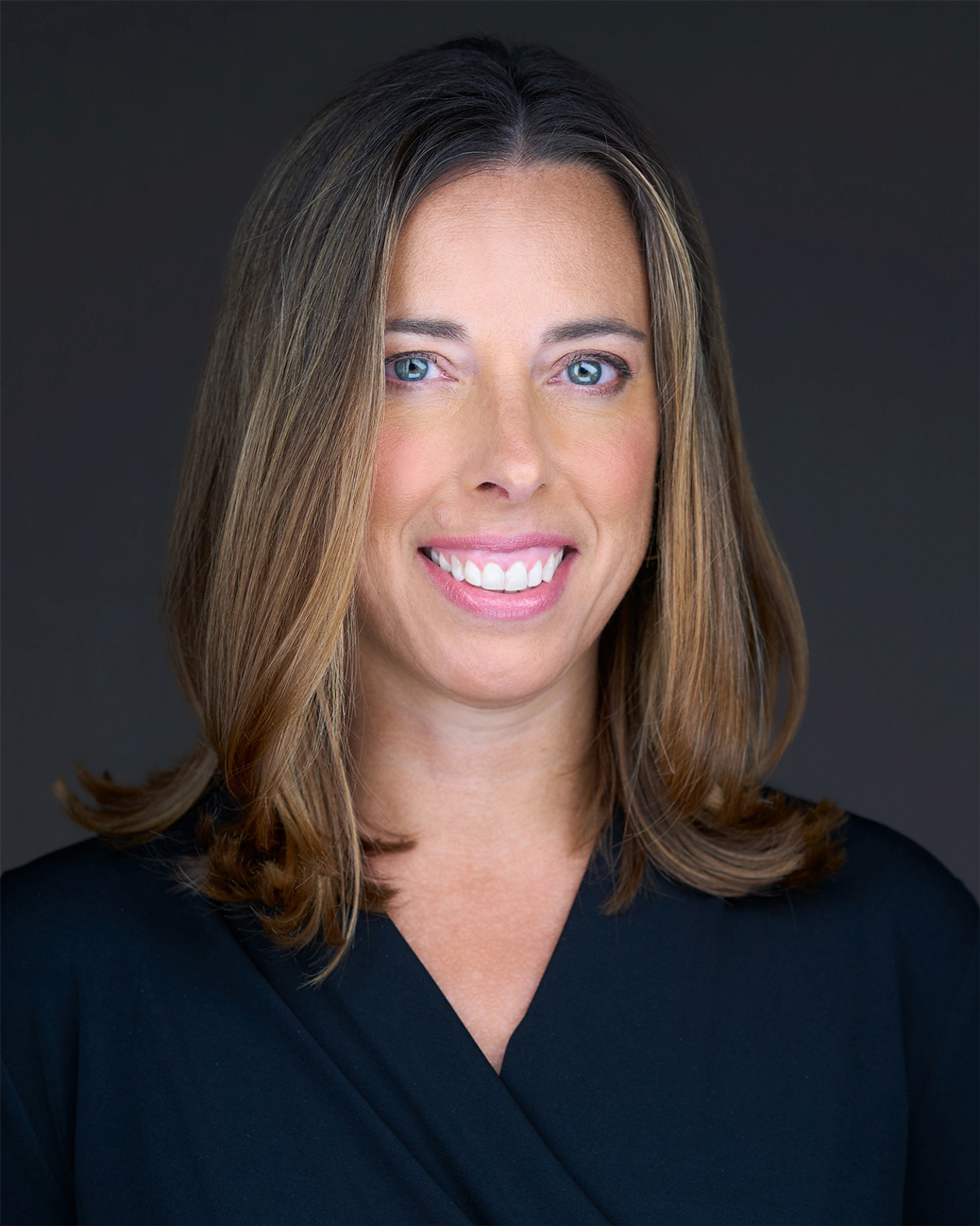
Carrie Mellage
Vice President, Beauty, Kline+Company
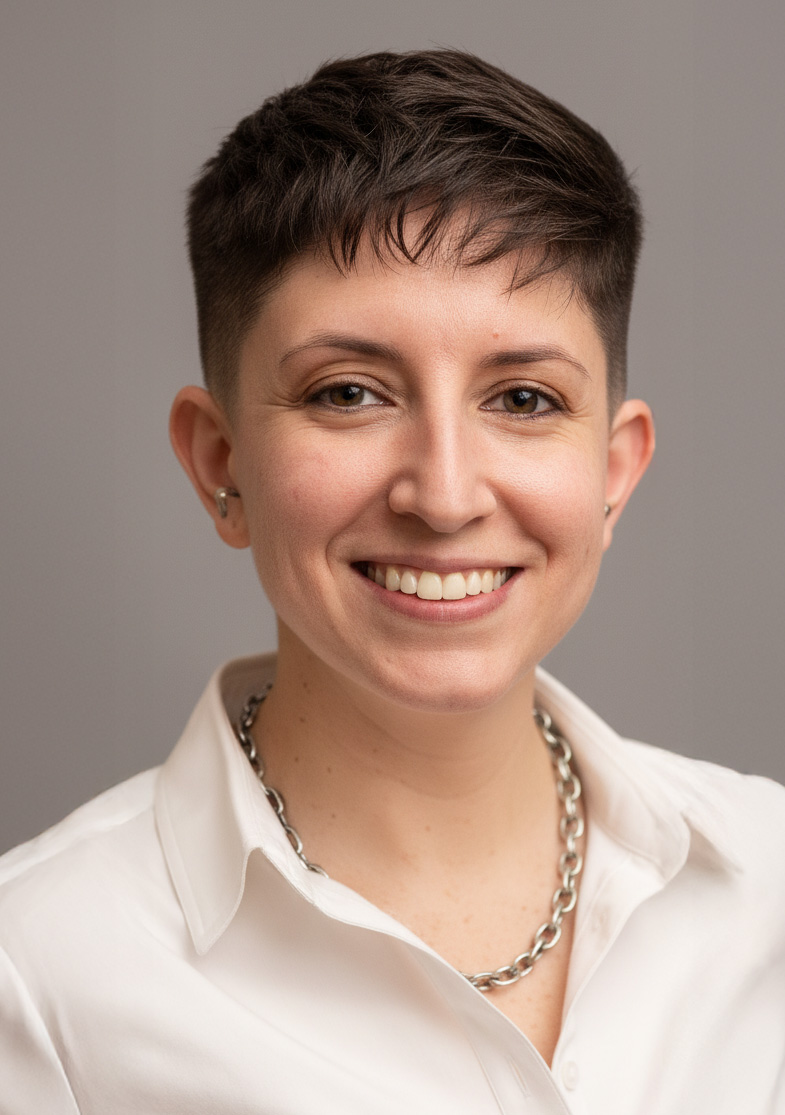
Sue Sender
Director of Marketing, Micro Powders
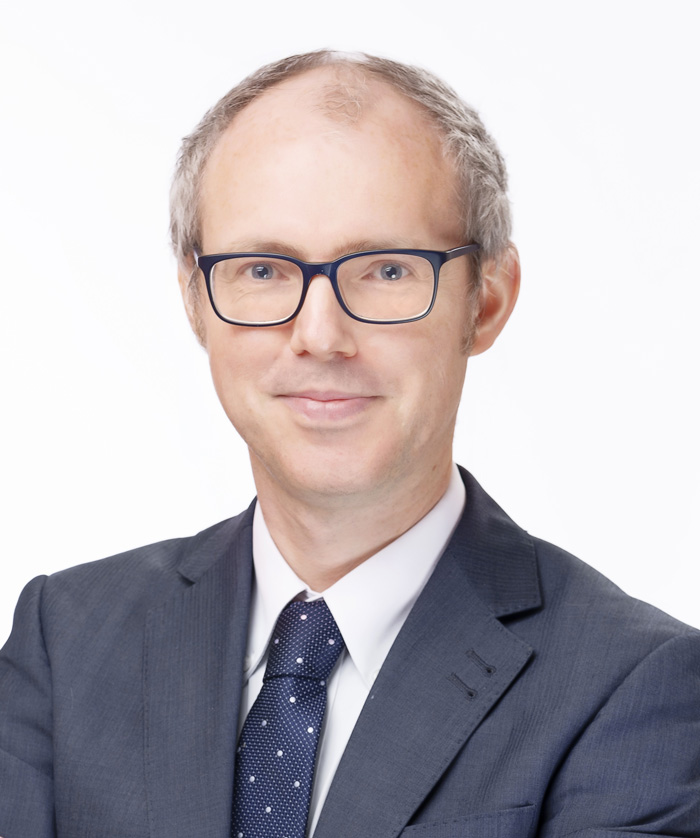
Dr. Mark Smith
NATRUE Director General
Francesco Ringressi
Business Development Manager, SEA Vision
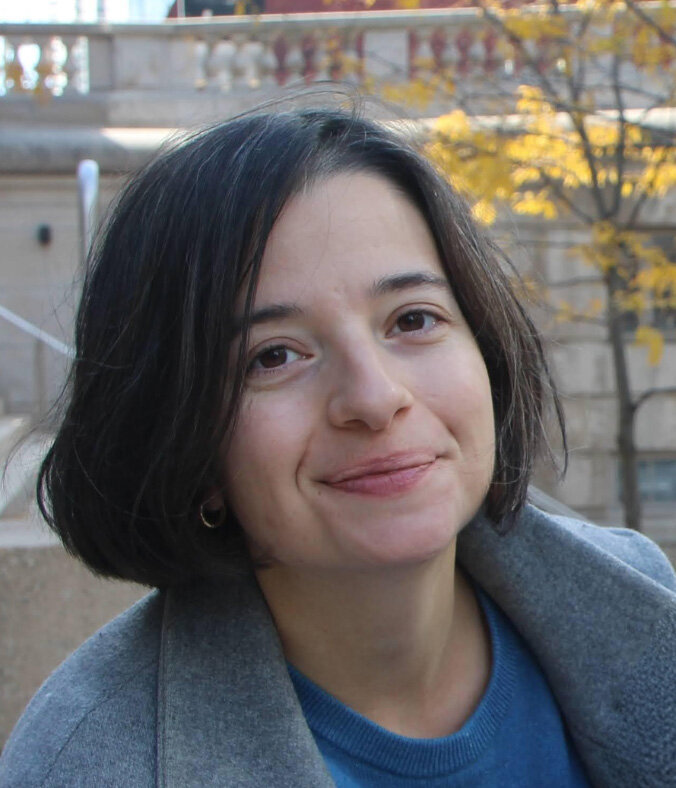
Julie Rojas
AI Scientist, SMEY
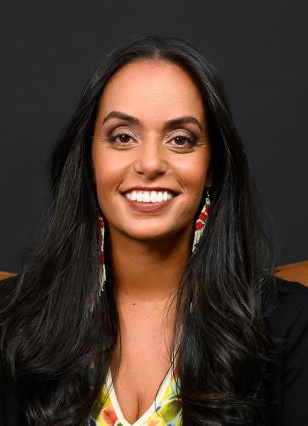
Rania Ibrahim
Founder SkinScience Analytics, USA
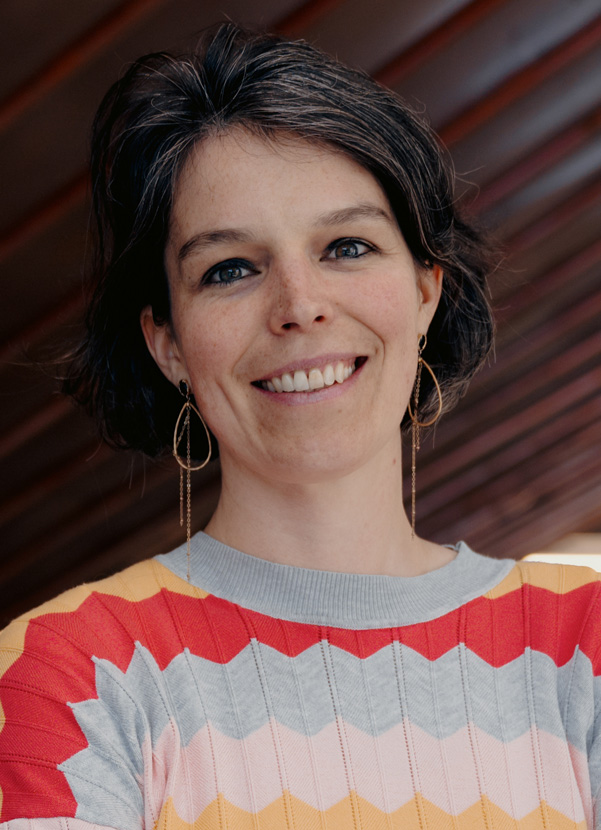
Nele Ameloot
Head of BioMolecules Business Development Center, Ghent University, Belgium
Lorena Bellas Domínguez
In Vivo Efficacy Test Manager, Zurko Research