Formulation
Skin care
KEYWORDS
water scarcity; exfoliating effect;
high performance; disintegration profile; formulation design; compression parameters
Peer Reviewed

Developing a high-performance face cleansing tablet
Ludovica Ferrari1, Samuele Capomasi2, Sonja Ziegler3
1. Project Manager & Cosmetic Formulator Chemist, Laboratorio Cosmopolita, Milan, Italy
2. Competence Center Technologist, IMA Active, Bologna, Italy
3. Global Product Management Home & Personal Care, JRS, Rosenberg, Germany
ABSTRACT: This article explores the development of a solid, waterfree face cleansing tablet designed to meet growing sustainability demands in the cosmetics industry. In a context of global water scarcity and increasing pressure to reduce packaging waste, cosmetic tablets offer an efficient, low impact alternative to traditional liquid formats. The study examines two formulations, which differ from the exfoliant agent. From powder characterization, through process investigation, down to the evaluation of product performance, the aim is to understand the variables’ impact on the final product to assess the optimal process/product conditions. Results highlight the critical interplay between formulation design, ingredient functionality, and compression parameters in achieving a high-performance, ecofriendly cleansing tablet.
Introduction
Introduction
In their last report issued in August 2023, the Water Resources Institute highlights an increasingly alarming scenario: global water demand is rising faster than the planet’s capacity to replenish it. Since 1960, consumption has more than doubled, driven by population growth, industrial development, and intensified agricultural needs; and it is projected to grow by 20-30% by 2050. In addition to this, poor water management and climate change are worsening water availability. As a direct consequence, at least 50% of the world’s population — roughly 4 billion people — now experiences highly water stressed conditions for at least one month each year. (1) This trend underscores the urgency of rethinking how natural resources are used across all sectors, including cosmetics.
Water plays a central role in cosmetic products and their supply chain. It is not only the predominant ingredient in many formulations — often representing up to two thirds in shower gels, shampoos, creams and lotions — but it is also essential for cultivating raw materials and for virtually every processing and manufacturing phase. Moreover, consumers typically rely on water to activate or rinse off most products, further expanding the total water footprint associated with personal care (2).
At the same time, packaging remains a major contributor to environmental impact: it is estimated that the beauty industry generates around 120 billion pieces of packaging each year, with only 9% of the material used which is effectively recycled (3, 4).
In such a context, cosmetic companies are increasingly challenged to rethink the entire lifecycle of their products. This begins with questioning how formulas are designed, continues with how products are used by consumers, and extends to how packaging and residues are managed once disposed of. Many brands are already exploring or investing in waterless cosmetic solutions — solid formats, such as bar, powders, and tablets — which minimize water use throughout production and reduce the environmental burden linked to transportation and packaging.
This article focuses on the elements to be taken into consideration when developing a cosmetic tablet: a solid, water-free cosmetic solution designed exactly to meet current market trends focused on sustainability, convenience and ease of transport.
Ingredients functionalities and features, process technologies and parameters, final product characteristics, as well as evaluation methods are all concurring to reach the desired targets. Specifically, a face cleansing tablet (Figure 1) is developed, which must show excellent overall performance.
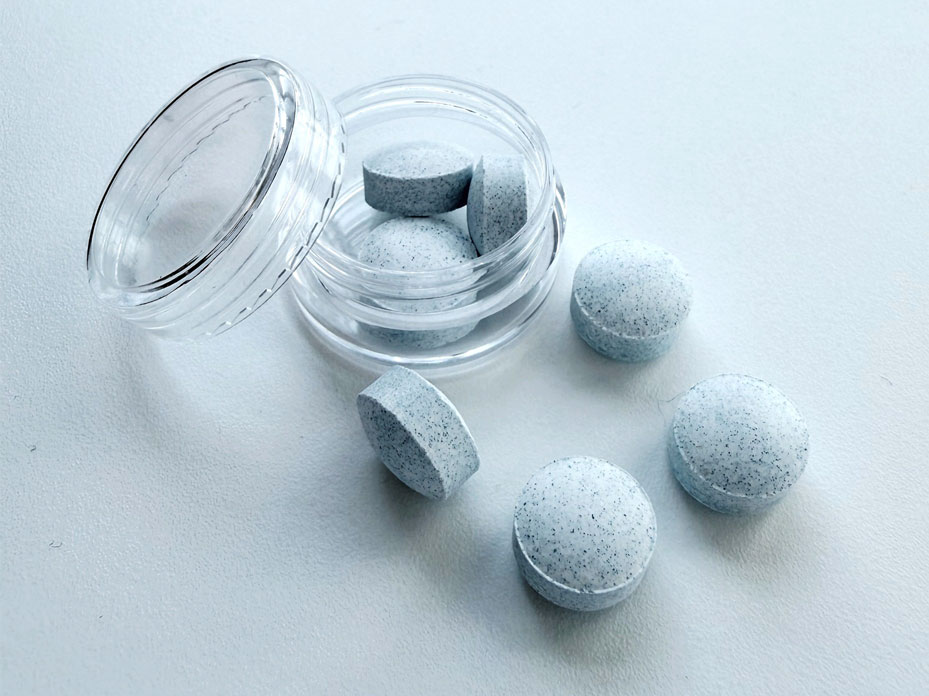
Figure 1. Face cleansing tablets diam. 12, weight 0.7g.
It must be well compacted, with a smooth and uniform surface. Once placed on one hand and activated adding tap water, it has to disintegrate in less than 10 - 15 seconds. When rubbing the hands, the foam has to develop easily, resulting in soft and mild, fully aligned with the functional needs of a facial cleanser in traditional liquid format.
The exfoliating effect must be clearly perceived pleasant and non-aggressive.
Materials and methods
Two formulations were developed to assess the impact of a 10% w/w excipient variation on the performance of a face cleansing tablet.
The formulations are based on powdered surfactants and feature high-performance excipients and active ingredients.
The key excipients are:
- VIVAPUR® CS 130 FM (INCI = Microcrystalline Cellulose): ensures homogeneous tablet compaction, providing adequate mechanical strength and uniform dispersion of all components.
- VIVASTAR® CS INSTANT POWDER (INCI = Sodium Carboxymethyl Starch): upon contact with water, promotes immediate swelling and allows a fast activation of the product.
- VIVASTAR® CS 300 DI (INCI = Cellulose): it is the key component for a controlled disintegration during use, carefully balanced to allow gradual breakdown over a time frame consistent with the product’s cleansing function.
- VITACEL® CS 70 G (INCI: Cellulose) / VIVAPUR® CS 150 R5 (INCI = Microcrystalline Cellulose, Cellulose): adds a gentle exfoliating action. Thanks to its specific particle size, it is perceived on the skin as a mild exfoliant, enhancing cleansing efficacy while remaining delicate and skin friendly.
The primary surfactant included in the formulation is LATHANOL® LAL COARSE (INCI: Sodium Lauryl Sulfoacetate), an anionic surfactant widely used in cosmetic formulations due to its cleansing efficacy. This ingredient is also known for its high foaming capacity. In the present formulation, it plays a key role in ensuring effective removal of impurities. Furthermore, its powdered form makes it particularly suitable for anhydrous solid systems, blending with the other powdered components, and contributing to the overall structural integrity of the compacted product.
As a conventional lubricant, Magnesium Stearate was incorporated into the formulation. This ingredient is key during the compression process to improve powder flow and minimize sticking phenomena.
The formulation also includes Niacinamide (Vitamin PP), a well-established multifunctional cosmetic active known for its beneficial effects on skin appearance. Niacinamide contributes to improving skin radiance and overall complexion uniformity, making it particularly suitable for facial cleansing applications.
The sensory experience of the product is further enhanced by the inclusion of Spirulin, used as a naturally derived colorant. This ingredient imparts a soft light-blue to the tablet, which is released upon contact with water during use. The color disperses in the foam without staining the skin, contributing to a visually appealing and pleasant application experience.
The formulations varied in the exfoliant ingredient: formulation 1 (Table 1) includes VITACEL CS 70 G, while formulation 2 (Table 2) includes VIVAPUR CS 150 R5. The two differ on their granulometry and particle shape: while VITACEL CS 70 G has granular structure, VIVAPUR CS 150 R5 is more spherical shaped.
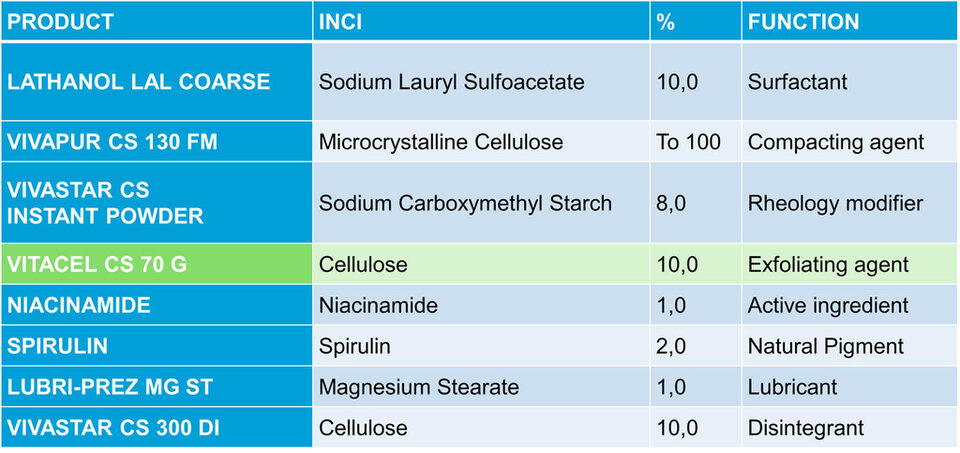
Table 1. Formulation 1 with VITACEL CS 70 G, granulometry 70 µm.
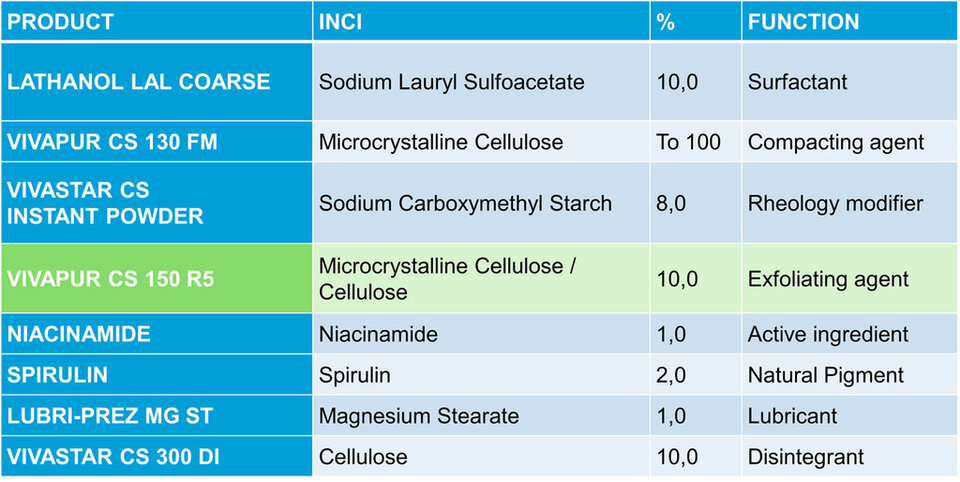
Table 2. Formulation 2 with VIVAPUR CS 150 R5, granulometry 150 µm.
The blends were prepared using CYCLOPS LAB tumble blender (IMA Active, Italy). Raw materials were mixed for 20 minutes to ensure homogeneity. Afterwards, magnesium stearate was added and blended for an additional 3 minutes to provide uniform lubrication while avoiding over-mixing.
Once prepared, the blends have been characterized. Then, both blends were compacted at different compression forces, keeping the tablet weight constant. Finally, a performance evaluation has been carried out to define the optimal compression parameters for both formulations.
Powder characterization methods
The results obtained through these four methods enable a detailed assessment of the powder, supporting the prediction of the required tablet press configuration.
Bulk and Tapped Density
Bulk density was determined using a 100 mL graduated cylinder, filling it gently and recording the initial powder quantity. Tapped density was measured using a mechanical tapper applying 1,250 taps until volume stabilization. The relation between these two dimensions is the base for the calculation of Carr Index (CI) and Hausner Ratio.
Flowability Assessment
Flowability was indirectly evaluated through Carr Index and Hausner Ratio, providing insight into powder cohesiveness.
Carr Index and Hausner Ratio were interpreted according to standard industrial classifications, where CI values below 20% and HR values below 1.25 are associated with good flowability, while CI values above 21% and HR values above 1.26 indicate increasing cohesiveness. Reporting these reference ranges supports a clearer assessment of the measured Carr Index and Hausner Ratio values, making the differences in flow behavior between the two blends easier to interpret.
Moisture Content
Moisture content was determined using a thermogravimetric moisture analyzer (Sartorius MA160), equipped with a halogen quartz heating module, which provides fast and uniform radiant heating across the sample.
The analysis was carried out at 105 °C, and sample mass loss was continuously monitored until a stable endpoint was reached, ensuring accurate determination of free moisture.
Particle Size Distribution (PSD)
Particle Size Distribution (PSD) was measured through sieve analysis. Approximately 100 g of powder was placed in a sieve stack composed of progressively smaller mesh sizes.
PSD was evaluated using stainless steel analytical sieves (mesh sizes corresponding to the ranges reported) mounted on a vibratory sieve shaker, in accordance with ISO 3310 / ASTM E11 specifications.
After sieving, the mass retained on each sieve was recorded, and the retained percentages were calculated to generate the PSD profile for each formulation.
Compression tests and tablets evaluation methods
Compression trials were performed using UNICA table-top single-punch tablet press (IMA Active, Italy). All tests were conducted at a constant production speed of 20 units/min, ensuring consistent die filling and reproducible process conditions. Both formulations were compacted at six compression forces: 1.0, 2.5, 4.5, 6.0, 8.0, and 10.0 kN. A constant powder mass was used for each tablet. For each compression force, 20 tablets were randomly collected. Each tablet was measured individually for weight (mg), thickness (mm), and hardness (N). Mean values and %RSD were calculated to assess uniformity, process robustness, and reproducibility.
Tablet performance evaluation
To define the optimal compression parameters for both formulations, a tablet from each compression test was evaluated, assessing:
- disintegration behaviour, by gently agitating a tablet into a glass vial with 4g of deionized water recording the time required for complete disintegration;
- foam development, by measuring into a graduated cylinder the foam height obtained after two manual shaking cycles of a tablet dispersed in 4 g of deionized water inside a glass vial;
- sensory perception of the exfoliating component.
Results and discussion
The comparison of bulk and tapped density values, together with the corresponding Carr Index and Hausner Ratio (Table 3 and 4), indicates that the two formulations present broadly similar flow characteristics. The small variations observed—slightly lower density values and marginally higher CI and HR for Formula 1—are consistent with the expected influence of the excipient substitution at 10% w/w.
Formula 1 humidity content (5.41%) falls slightly above the typical interval considered optimal for cosmetic powder systems (between 3 and 5%), whereas Formula 2 (4.95%) lies within this range. Despite this small difference, both formulas processed smoothly during compression, with no signs of reduced flowability or sticking to the punches.
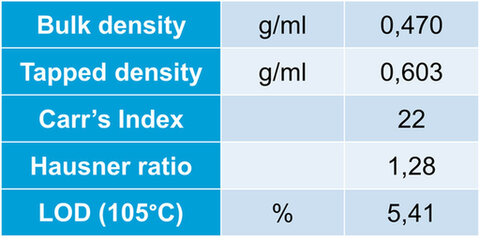
Table 3. Powder properties of Formula 1.
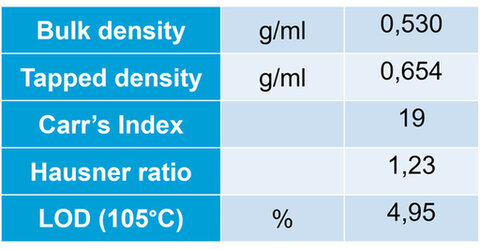
Table 4. Powder properties of Formula 2.
Particle size distribution curves (Graph 1) show that Formula 2 presents a more centered and predominantly unimodal distribution, with a lower proportion of fine particles compared to Formula 1. Formula 1, in contrast, displays a broader distribution with more evident contributions from both fine and mid‑sized fractions.
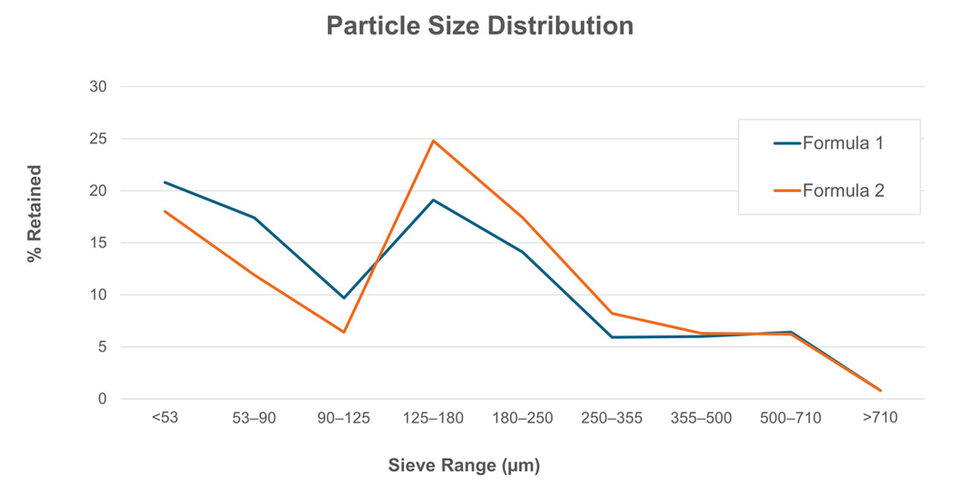
Graph 1: Comparison between the PSD of the two studied formulations.
During the compression tests, weight was kept constant with a target of about 730mg (Graph 2).
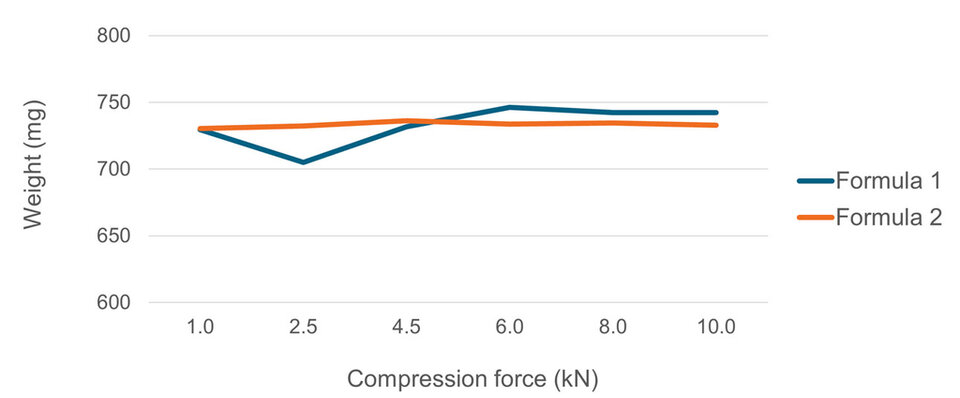
Graph 2: Comparison between the samples’ weights of the two studied formulations affected by different compression forces.
Across the six compression forces, tablet thickness decreased progressively for both formulations, reflecting the expected densification of the powder bed under increasing mechanical load (Graph 3). The trend was consistent for both formulations and did not show irregularities or unexpected variations.
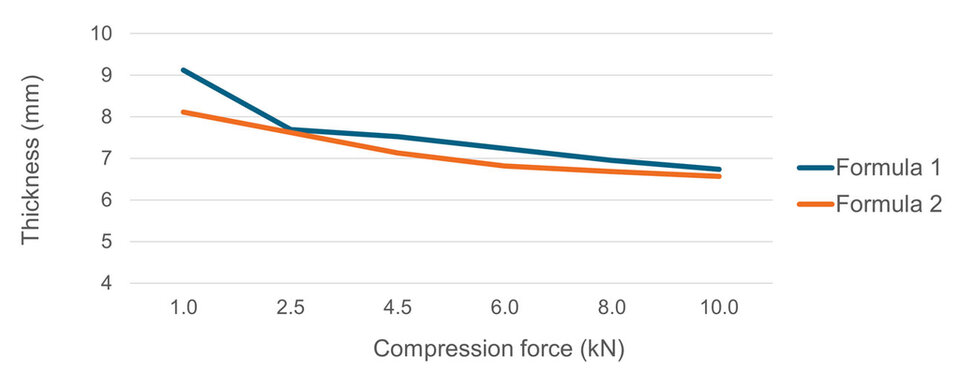
Graph 3: Comparison between the samples’ thickness of the two studied formulations affected by different compression forces.
Tablet hardness increased progressively while increasing compression force for both formulations (Graph 4), following the expected response of powder compaction. The data indicates that Formula 2 reached higher hardness values at the lower compression forces evaluated, while Formula 1 showed a more gradual increase, achieving its highest hardness at the upper end of the compression range.
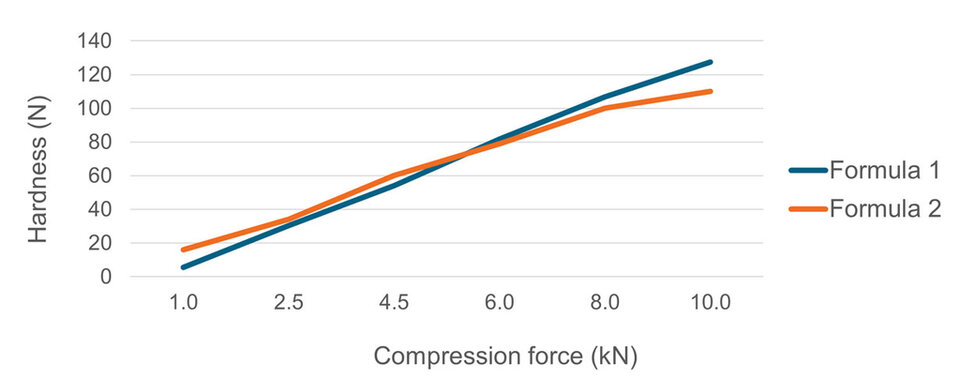
Graph 4: Comparison between the samples’ hardnesses of the two studied formulations affected by different compression forces.
Both formulations showed excellent process stability, with consistently low % RSD values across weight, thickness, and hardness measurements. Overall, even limited compositional changes can significantly influence the processability and mechanical performance of solid cosmetic powders.
The samples collected during each compression test were tested also in terms of performance (Table 5) and the results are described below.
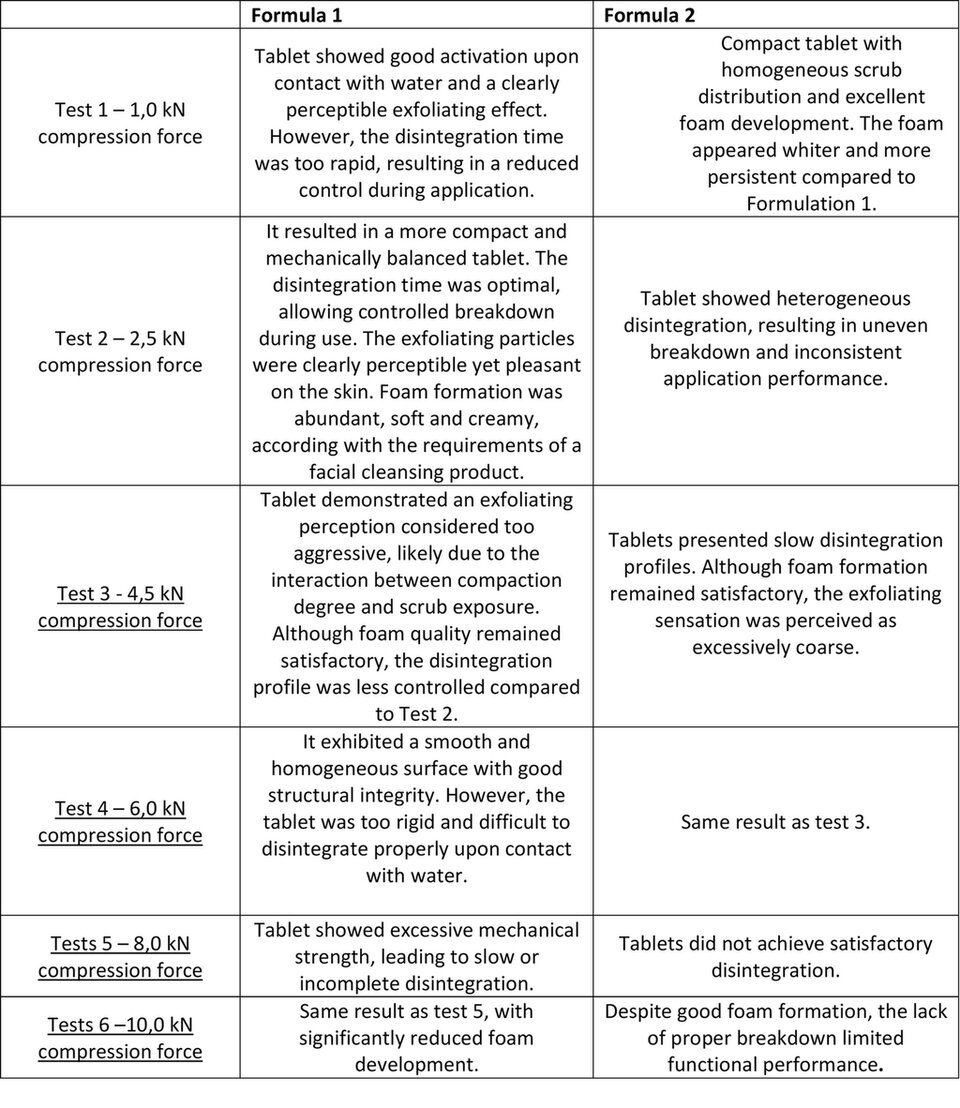
Table 5. Tablets performance evaluation.
Based on the balance between mechanical resistance, controlled disintegration, foam quality and sensory performance, the best results have been achieved with Formula 1 - Test 2 and Formula 2 - Test 1.
Both demonstrated rapid activation: Formula 1 – Test 2 within 5-7 seconds, Formula 2 – Test 1 within 4-6 seconds. The slightly faster breakdown observed for Formula 2 is consistent with its lower mechanical resistance under use conditions.
Despite, both formulations generated an equivalent foam volume, corresponding to a foam height of 15 mL, Formula 1 - Test 2 generated a finer and creamier foam structure, whereas Formula 2 - Test 1 produced a denser and more compact foam. These differences may be attributed to the distinct particle size distribution of the exfoliating phase and its influence on the release profile of the surfactant system (Figure 2 and 3).
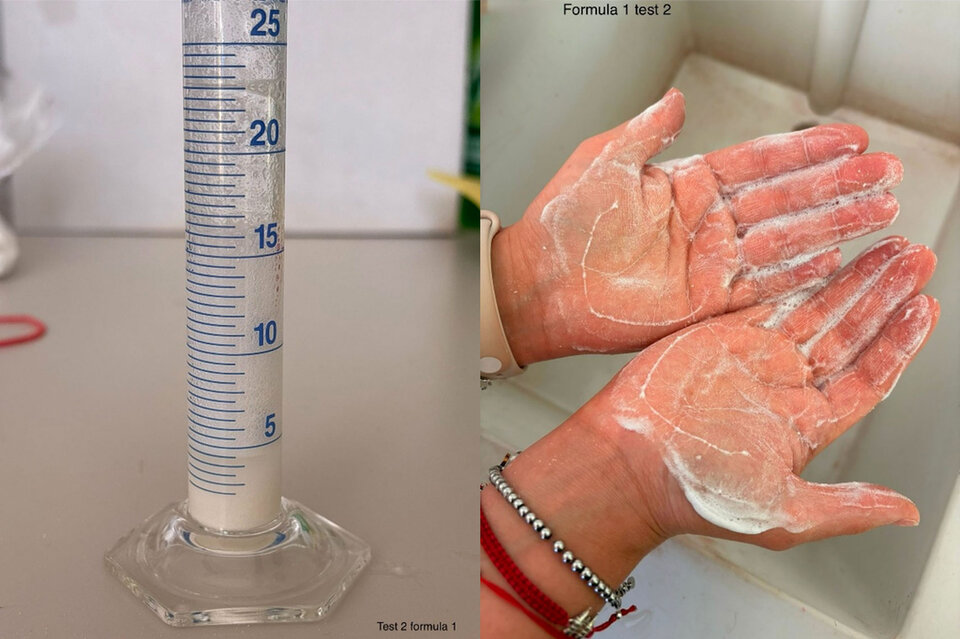
Figure 2. Performance assessment Formula 1 – test 2.
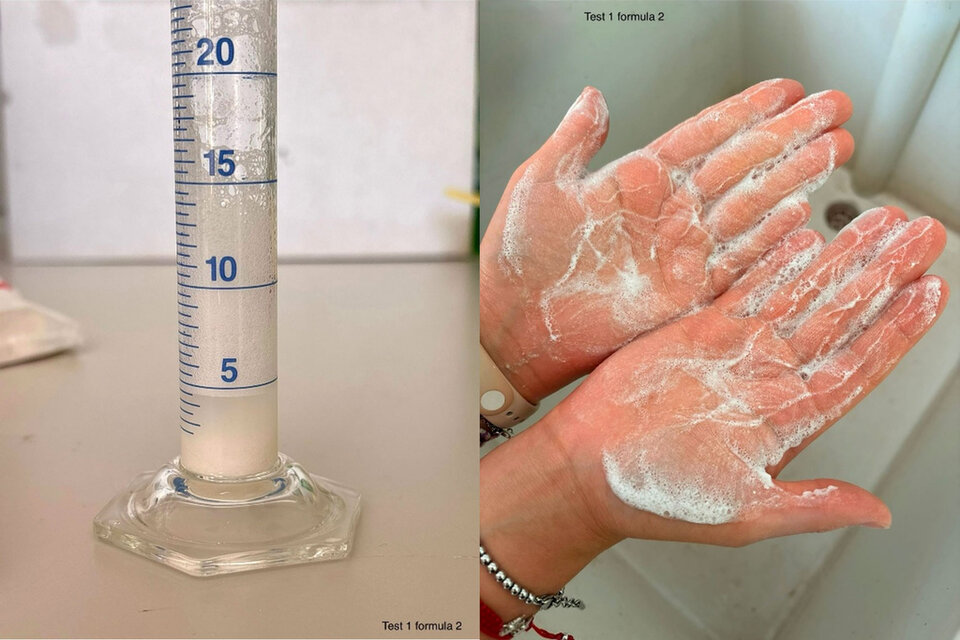
Figure 3. Performance assessment Formula 2 – test 1.
Finally, the pH of both tablet formulations was determined using a calibrated pH meter. For the analysis, each tablet was dissolved in 4 g of deionized water in order to obtain a homogeneous solution. The pH value was then measured under controlled conditions and recorded once stabilization of the reading was achieved.
The pH of both formulations was assessed at 7.36. which is adequate for this product that's also used on the eye area
Conclusions
The experimental trials confirmed that both formulations could be processed on the single-punch tablet press. Face cleansing tablets have been obtained with the desired mechanical characteristics, while ensuring the expected cosmetic product sensory effect.
In this respect, the replacement of just one single ingredient may have an impact on the powder blend’s behaviour, requiring adjustments on the production process to achieve product targets. As shown in this study, compression parameters significantly influence tablet performance, affecting not only mechanical strength, but also activation kinetics, foam release, and sensory perception of exfoliating particles.
Despite the ingredients, which can be changed according the tablet/product functionalities needed, the results of this study highlight the critical interplay between a carefully designed combination of ingredients, particle size of the exfoliating ingredient and compaction conditions in achieving a high-performance solid cosmetic cleanser.
About the Authors
Ludovica Ferrari
Holds a Master’s Degree in Industrial Chemistry and has extensive experience in cosmetic formulation and product development. As Head of Research & Development at Cosmopolit Laboratory, she leads research activities and manages multidisciplinary projects for cosmetic innovation.

Ludovica Ferrari
Project Manager & Cosmetic Formulator Chemist, Laboratorio Cosmopolita, Milano, Italy
Samuele Capomasi
Process Technologist at IMA Active focused on tablet compression and coating. Supports customers across lab scale, scale-up and industrial manufacturing, from trials to on-site activities, enabling efficient scale-up and consistent product quality.
Samuele Capomasi
Competence Center Technologist, IMA Active, Bologna, Italy
Sonja Ziegler
As state approved food chemist and first experience in quality management in the pharma sector, I joined JRS in 2022 as global product manager for Home & Personal Care. In charge of focus project waterless cosmetics as well as product group scrubs & abrasives, looking for innovative and sustainable solutions with JRS ingredients for cosmetic manufacturers that’s what drives me every day.
Sonja Ziegler
Global Product Management Home & Personal Care, JRS, Rosenberg, Germany



References and notes
- Kuzma S, Saccoccia L, Chertock M, 25 Countries, Housing One-Quarter of the Population, Face Extremely High Water Stress. 2023. https://www.wri.org/insights/highest-water-stressed-countries
- Blue gold: Why tackling water challenges is a key lever for mitigating impact and risk in the cosmetics and personal care industry. 2023. https://quantis.com/insights/water-risk-cosmetics-personal-care-companies/
- Cleanhub, The Environmental Impact of the Beauty Industry. 2025. https://www.cleanhub.com/blog/beauty-industry-environmental-impact
- Worldmetrics, Sustainability In The Cosmetics Industry Statistics. 2026 Sustainability In The Cosmetics Industry Statistics 2026