EVENTS
REPORT
ICCR-20 in Tokyo: Celebrating Two Decades of Global Regulatory Cooperation and Looking to the Future
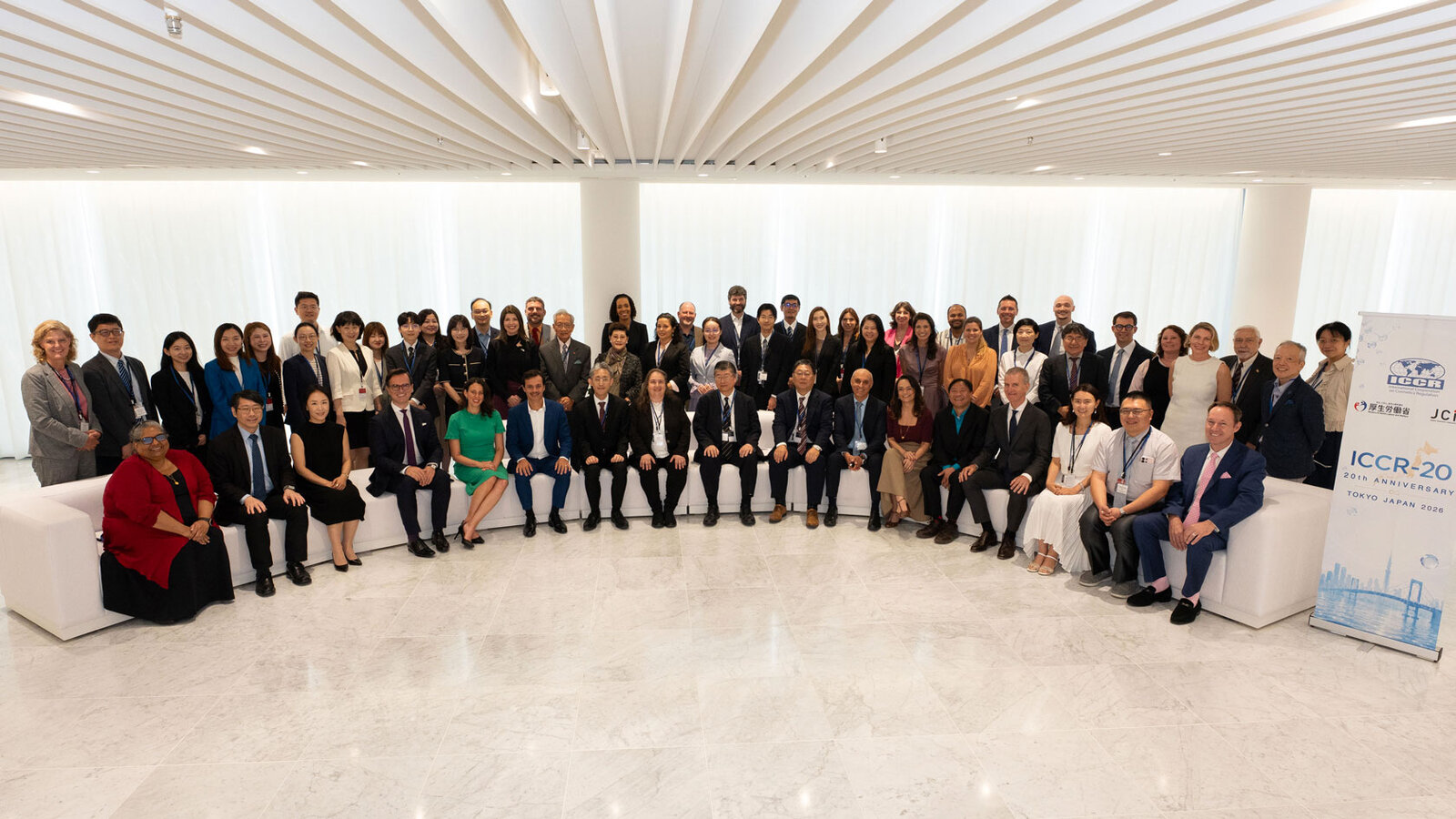
The twentieth annual meeting of the International Cooperation on Cosmetics Regulation (ICCR-20), held in Tokyo, Japan, from 7–9 July 2026, marked a significant milestone for the global cosmetics sector. More than an annual gathering of regulators and industry representatives, ICCR-20 celebrated twenty years of international cooperation dedicated to advancing cosmetic safety, regulatory convergence and science-based policymaking.
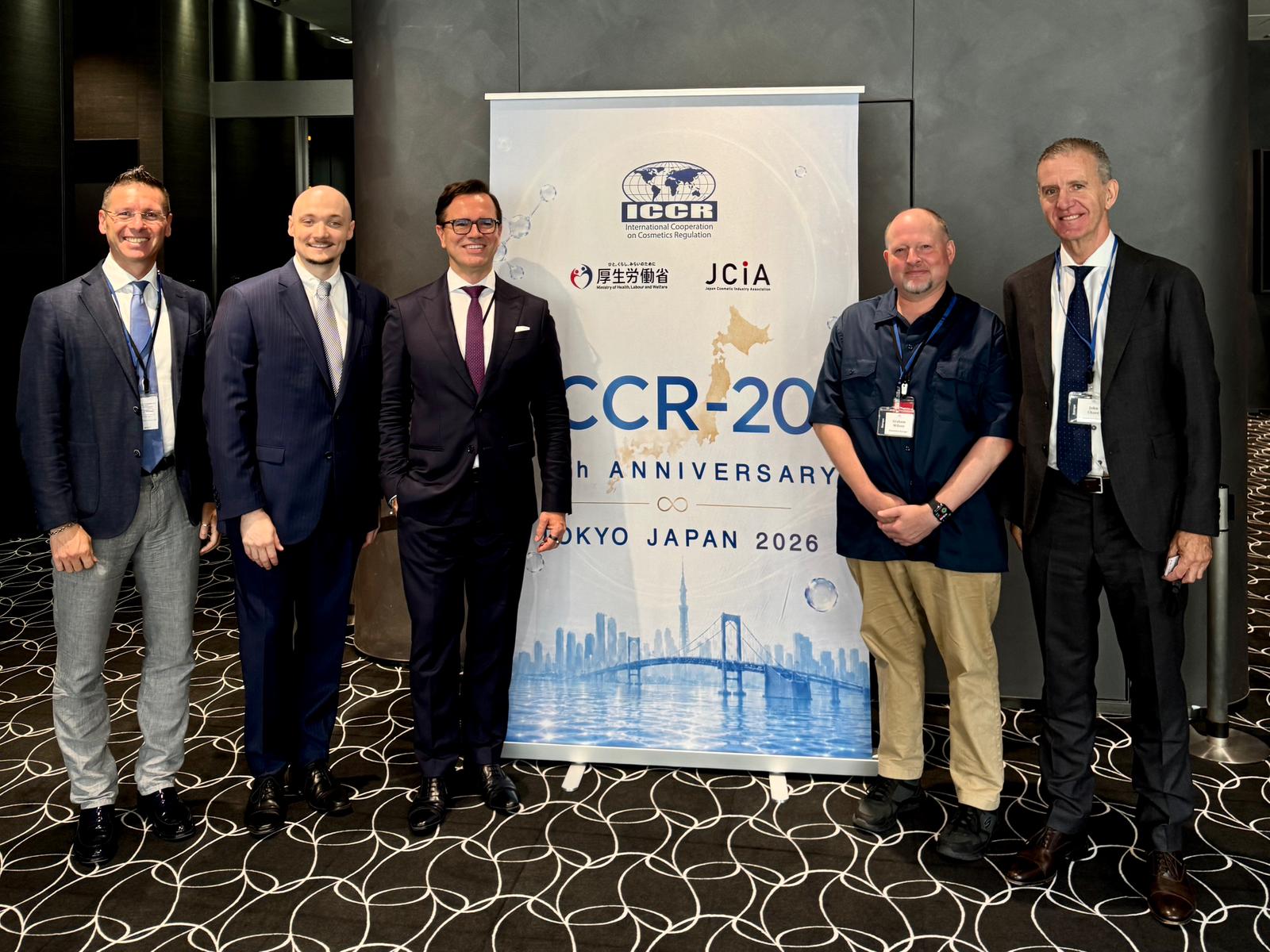
For the European cosmetics ingredients industry, the meeting also highlighted the importance of active engagement in international regulatory dialogue. EFfCI participated alongside Cosmetics Europe as part of the European industry delegation, contributing scientific and technical expertise to discussions with regulators while representing the interests of Europe's cosmetic ingredient manufacturers. Throughout the meeting, EFfCI continued to support the development of globally harmonised, science-based regulatory approaches that foster innovation, facilitate trade and maintain the highest standards of consumer protection.
Twenty Years of International Collaboration
Established in 2006 by Canada, the European Union, Japan and the United States, ICCR has become the world's leading forum for international cooperation on cosmetics regulation. Today, it brings together regulators and industry representatives from Brazil, Canada, Chinese Taipei, Europe, Israel, Japan, South Korea and the United States to exchange knowledge, discuss emerging regulatory challenges and promote greater international convergence.
In addition to its participating members, ICCR continues to broaden its global reach by welcoming representatives from other jurisdictions as Observers. At ICCR-20, observers included Egypt, Saudi Arabia, Thailand, China and the United Kingdom, demonstrating the increasing international recognition of ICCR as the principal forum for global regulatory cooperation in cosmetics. Collectively, participating jurisdictions represent more than 65% of the global cosmetics market, giving ICCR an unparalleled role in shaping international regulatory thinking.
A particularly significant governance development at this year's meeting was the approval of the United Kingdom's application to become a full ICCR member. Following several years of participation as an Observer, the UK's appointment reflects both the organization’s continued evolution and its commitment to broadening international collaboration among regulatory authorities.
Recognizing the twentieth anniversary, participants undertook a comprehensive Strategic Review of ICCR's achievements and future direction. The review reaffirmed that ICCR's mission remains highly relevant in today's rapidly evolving regulatory landscape and confirmed three strategic priorities for the years ahead:
- Ensuring the highest level of global consumer protection through sound science;
- Promoting regulatory convergence to minimize unnecessary technical barriers to trade; and
- Strengthening relationships with stakeholders through effective communication.
These priorities closely mirror EFfCI's long-standing commitment to science-based regulation, international harmonization and constructive engagement between regulators and industry.
EFfCI: Providing the Ingredient Industry Perspective
As part of the European industry delegation alongside Cosmetics Europe, EFfCI actively participated in the Joint Dialogue with regulators, bringing the perspective of Europe's cosmetic ingredient manufacturers to discussions covering ingredient safety, innovation and future regulatory developments.
Ingredient manufacturers occupy a unique position within the cosmetics value chain, combining expertise in chemistry, toxicology, biotechnology, sustainability and regulatory science. Through its participation, EFfCI contributed technical insight that supports practical, science-based regulation while helping ensure that international regulatory developments consider both consumer protection and continued innovation.
The close collaboration between EFfCI and Cosmetics Europe once again demonstrated the value of a coordinated European industry voice within ICCR, reinforcing Europe's leadership in cosmetic safety and regulatory excellence.
Delivering Practical Outcomes
Beyond strategic discussions, ICCR-20 delivered several tangible outcomes that will support future regulatory cooperation.
Among the most important achievements was the formal endorsement of the ICCR General Principles for E-Labelling and the Provision of Digital Information for Cosmetic Products, providing a common framework to support the ongoing digital transformation of cosmetic product information.
The meeting also approved three coordinated Consumer Communication campaigns addressing:
- What Makes Cosmetics Safe;
- Helping Consumers Identify Reliable Information on Cosmetics; and
- Cosmetic Safety – Separating Fact from Fiction.
These initiatives recognize that effective regulation extends beyond technical requirements. In an era of rapidly expanding digital information and increasing public scrutiny of product safety, providing clear, accessible and science-based information to consumers has become an essential component of consumer protection.
EFfCI's Contribution to Consumer Communication
EFfCI welcomed the increased emphasis placed by ICCR on Consumer Communication and public engagement. Working alongside fellow industry representatives within the Consumer Communication Working Group, EFfCI supported discussions aimed at improving how cosmetic safety is communicated to consumers and other stakeholders.
The Working Group's activities seek to translate complex scientific and regulatory concepts into clear, consistent and evidence-based messages that help consumers better understand how cosmetic products are assessed for safety and how regulatory authorities work internationally to ensure consumer protection.
For ingredient manufacturers, effective communication is increasingly important. Public confidence in cosmetic products depends not only on rigorous scientific assessment but also on transparent communication that explains the safety evaluation process and helps counter misinformation. EFfCI therefore continues to support initiatives that strengthen consumer understanding while promoting confidence in science-based regulation.
Advancing Modern Safety Assessment
Another important outcome of ICCR-20 was the continued commitment to advancing the application of New Approach Methodologies (NAMs) and Next Generation Risk Assessment (NGRA).
Industry welcomed the decision to maintain the case-study programme exploring how non-animal methodologies can be integrated into cosmetic safety assessment. These collaborative activities continue to build confidence in innovative scientific approaches while supporting the global transition towards modern, non-animal safety assessment strategies.
For EFfCI members, many of whom are investing heavily in predictive toxicology, computational modelling and advanced in vitro technologies, this work remains a strategic priority for the future of cosmetic ingredient safety assessment.
Celebrating ICCR's Legacy
The twentieth anniversary also provided an opportunity to recognise the individuals whose dedication has helped shape ICCR over the past two decades.
A commemorative video, produced by Cosmetics Alliance Canada in partnership with the Japan Cosmetic Industry Association (JCIA) and the Japanese regulatory authorities (MHLW and PMDA), was presented during the Joint Annual Meeting Dinner. Hosted by Darren Praznik, the tribute featured reflections from many of the personalities who have contributed to ICCR's success over the years.
Among those featured were the founding contributors Francine Lamoriello (former PCPC) and Linda Katz (former US FDA); former ICCR Steering Committee Chairs Yasuda Naoyuki (former MHLW, Japan), Salvatore D'Acunto (European Commission) and Paul Chowhan (Health Canada); former ICCR Secretariat Lead Petra Leroy Cadova (European Commission); and long-standing industry representative Odile De-Silva (Cosmetics Europe International Committee). Their reflections have illustrated how ICCR has evolved from a dialogue among four founding jurisdictions into the premier international forum for cosmetics regulation.
The celebrations also paid tribute to Carl Geftken (IBA), the only industry participant to have attended all twenty ICCR annual meetings, recognizing his exceptional contribution to the organization’s development and success.
Looking Ahead
As preparations begin for ICCR-21 in Israel in 2027, the outcomes of the Tokyo meeting provide a clear roadmap for the future. Scientific excellence, regulatory convergence, digital innovation, modern safety assessment and transparent consumer communication will continue to shape the international regulatory agenda.
EFfCI remains fully committed to supporting this global dialogue as an active member of the European industry delegation alongside Cosmetics Europe. By bringing the expertise of Europe's cosmetic ingredient manufacturers to international discussions, EFfCI contributes to the development of internationally harmonized, science-based regulation that protects consumers, encourages innovation and facilitates global trade.
Twenty years after its creation, ICCR has demonstrated that meaningful regulatory convergence is achieved through sustained scientific collaboration, openness and mutual trust. EFfCI is proud to contribute to this shared vision and looks forward to supporting the next chapter of ICCR's success.
References and notes
References and notes
- Lai K, Herringshaw E. The use of GLP-1 agonists in the management of cutaneous Disease. J Clin Aesthet Dermatol. 2024;17(9):34-37.
- Pegel DM, GouldSJ. Exosomes. Annu Rev Biochem. 2019;Jun 20;88:487-514.
- Matsui MS, Pelie E, Dong K. Biological rhythms in the skin. Int J Mol Sci. 2016 May 24;17(6):801.
- Kaufman BP, Alexis AF. A randomized, controlled. Split-face, double-blind study comparing topical malassezin to hydroquinone 4% for melasma. J Drugs Dermatol. 2020;Sep 1 19(9):822-827.
- Mawazi SM, Tong JA, Riyanto TW. Application of niosomes in cosmetics: a systematic review. Cosmetics. 2022;9(6):127.
- Dumbuya H, Podimatis K, Grimes P. Evaluation of tinted sunscreens protection against blue light using transmittance spectroscopy in vitro technique. Photodermatol Photoimmunol Photomed. 2026 Mar;4(2):e70075.
- Mann T, Eggers K, Rogers T, nRiedel J, Lutgens M, Thiele L, Moller N, Weise JM, Kolbe L. Visible light induces skin darkening in vivo: comparative pilot studies reveal enhanced susceptibility in melasma ans its mitigation by a human tyrosinase inhibitor. Photochem & Photobiol Sci. 2026;25:299-306.
- Vyas KS, Kaufman J, Munavalli GS, Robertson K, Behfar A, Wyles SP. Exposomes: the latest in regenerative aesthetics. Regen Med. 2023 Feb;18(2):181-194.
- Ash M, Zibitt M, Shauly O, Losken A, Gould D. The innovative and evolving landscape of topical exosome and peptide therapies: a systematic review of the available literature. Aesthet Surg J open forum. 2024 Mar 19;6: ojae017.
About the Author
Andrea Maltagliati
Brilliant communicator, eclectic, leader and team builder. Graduated in Chemistry. More than 20 years in the cosmetic market, owns international experience from SMEs to multinationals, holding different roles. As Secretary General of EFfCI, coordinates 9 WGs and the activities EU Ingredient industry, representing it in all global institutional fora.

Andrea Maltagliati
Secretary General, EFfCI AISBL