Panel discussion on...
Biotech Innovations in Personal & Home Care
About the Author
Julie Diamond, PhD

Bioprocessing Sales Specialist, RoosterBio, Inc.

Exosomes in Skin Care: Why Quality is Key in This New Frontier
For decades, personal care innovation meant looking to biology for inspiration then recreating those findings through chemistry. That model is shifting. Fermentation-derived peptides and proteins, nature-identical actives produced by microorganisms, and cell-secreted biologics are replacing synthetic approximations with the real thing. Among the most promising of these biology-derived ingredients are extracellular vesicles (EVs), the nanoscale membrane-bound particles that cells use to communicate with one another. Products built around “exosomes” derived from human mesenchymal stem cells (hMSCs) or human dermal fibroblasts (hDFs) carry growth factors, signaling proteins, and microRNA that can interact with skin biology through signaling mechanisms that conventional ingredients cannot access. For an industry always searching for its next frontier, EVs represent an exciting biotechnological advancement.
However, unlocking EVs and other biologics will require the field to have a more serious conversation about quality than it has had so far.
A Nomenclature Problem Worth Solving
The term “exosome” is applied to a wide spectrum of materials — from rigorously manufactured, well-characterized vesicles derived from defined human cell sources, to loosely prepared extracts from plants or conditioned media that aren’t meaningfully analyzed. These are not interchangeable. The biological activity of an EV is a direct function of the cell that produced it — its type, source tissue, culture conditions, and physiological state at the time of collection. Understanding and disclosing these details is not a regulatory formality; it is the foundation of any credible claim about what an ingredient can do.
As consumer products and exosomes collide, consumer and regulatory examination will increase, and the gap between an unregulated cosmetic and a regulated therapy will narrow. FDA initiatives like MoCRA are in place to address this evolving landscape, but additional guidance will likely be required to ensure compliance with label claims and safety as these products enter mainstream consumer channels.
The Manufacturing Gap
Behind the characterization question is a manufacturing one. Producing high-quality EVs at scale is not trivial. It requires defined, controlled cell sources, culture conditions that maintain the biological integrity of those cells in large-scale formats, and downstream processing that isolates vesicles without contamination. Each of these steps introduces variables that can substantially affect the final material — and most are invisible without the right analytical tools.
The therapeutic development world has been working through these challenges for years. Regulatory expectations for clinical EV products have pushed developers to implement rigorous characterization — particle sizing and concentration, membrane integrity assessment, surface marker profiling — because it is necessary to understand what’s been made and whether it performs as intended. Cell-derived biologics also carry inherent biological variability; donor-to-donor differences in source material are an accepted reality, and responsible developers are transparent about this.
Safety is another dimension of manufacturing that the cosmetics industry will need to take seriously. Traditional raw material safety has focused primarily on irritation and toxicology, but human-derived biologics introduce additional considerations around viral and pathogen safety. Manufacturing inputs matter — animal-derived materials, still used in some cell culture processes, carry their own safety risks that responsible manufacturers are working to eliminate through xeno-free approaches.
These are hard-won lessons that personal care can benefit from. Closing the gap between therapeutic EV manufacturing standards and cosmetic standards is where the most meaningful progress will be made.
Designing With Biology, Not Just Using It
The deeper shift that EVs represent is conceptual. For decades, personal care product development has been fundamentally a chemistry problem — identify an active, optimize its delivery, formulate for stability and aesthetics. Biology has been a mechanism to explain efficacy. EVs are different - the biological system is itself the active, with complexity and context-dependence that cannot be replicated synthetically.
This means asking what you want skin cells to do, and working backward to the biology that prompts that behavior, rather than forward from a molecule to a marketing claim. It means cell biologists and cosmetic chemists collaborating earlier in development, not at the formulation stage but at the stage of defining what the product should achieve. This is what it looks like to design with biology rather than simply use it — and EVs are one of the clearest examples of where that shift is already happening in personal care.
The Frontier Is Earned
The most exciting prospect for EV-based skin care is not incremental improvement on existing product categories. It is the possibility of formulations that genuinely engage with living skin — supporting its own mechanisms and prompting biological behaviors that topical chemistry cannot reach. That is a meaningful frontier.
Getting there requires the industry to hold this new class of materials to a standard commensurate with their potential. The science and manufacturing knowledge exists. The next step is making quality the expectation, rather than the exception, to turn one of the most promising developments in modern skin care into something that reliably delivers on its promise.
References and notes
References and notes
- M. Koganov, O. Dueva-Koganov, A. Duev, L. Zhang. Multifunctional Sustainable Zeta Fractions from Living Plants. Sofw journal. 2017; 143, 1+2/17: 42-47. https://www.ashland.com/file_source/Ashland/Industries/Personal%20and%20Home%20Care/Articles/170102_PDF_Ashland_Koganova_E.pdf
- Koganov, M. US 7,442,391, Bioactive botanical cosmetic compositions and processes for their production and use. https://patents.google.com/patent/US7442391B2/en?oq=US+7%2c442%2c391
- Koganov, M. EU 2,919,757, A method for preparing bioactive botanical compositions and the compositions made from said method using an electromagnetic field of grater than 3 GHz. https://patents.google.com/patent/EP2919757B1/en?oq=EU+2%2c919%2c757
- Koganov, M. US 7,537,791, Parthenolide free bioactive ingredients from Feverfew (Tanacetum parthenium) and processes for their production. https://patents.google.com/patent/US7537791B2/en?oq=US+7%2c537%2c791
- Koganov, M., Dueva-Koganov O., Duev A. et.al. EP4447927A1, Bioactive serum fractions from fresh rose flowers and methods for their preparation and uses. https://patents.google.com/patent/EP4447927A1/en?oq=US20260124266A1
- Koganov, M., Dueva-Koganov O., Duev A. et.al. US20260124266A1, Skin care compositons comprising synergistic blend of sacred lotus and tea plant or sacred lotus and german chamomile and cosmetic applications thereof. https://patents.google.com/patent/US20260124266A1/en?oq=US202601242
- Stredansky M., Stredanska S. EP4700131A1, Process of preparing cosmetic ingredients containing active components from plant or algae biomass, European Patent Application, 2024. https://patents.google.com/patent/EP4700131A1/en
Panelists

Annie Tsong
SVP of Corporate & Scientific Affairs, Amyris
Ashlee Cannady
Director of Strategic Marketing, Amyris

Alex Rosay
CEO, Cascade Bio

Rafael Bíscaro
Global Product Marketing Manager, Personal Care, Chemyunion

Tony Abboud
Chief Commercial Officer, Core Biogenesis
Lisa Heida
Marketing Lead, Covalo
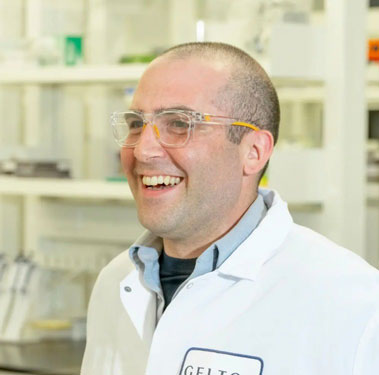
Alex Lorestani
Co-Founder & CEO, Geltor
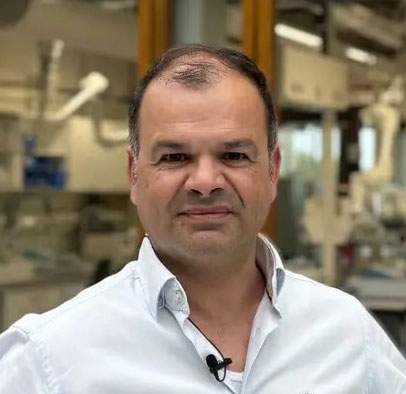
Sharief Barends
Global BioActives Research Director, IFF Health & Biosciences - IFF

Davide Mariani
Senior Expert Home & Personal Care Products, Innovhub SSI

Olga V. Dueva-Koganov
VP and co-founder of Intellebio

Denis Bendejacq
SVP Research & Innovation, Kensing

Dexter Hsu
Chief Executive Officer,
LCY Biosciences Inc.

Olya Vvedenskaya
Senior communications manager, Lipotype

Marc Desmarais
Product Development Activist, Origin by Ocean

Giorgio Carelli
Product Manager Personal Care, ROELMI HPC

Julie Diamond
Bioprocessing Sales Specialist, RoosterBio, Inc.

Ilaria Campestri
Pharmacist, Chemist Cosmetologist & Nutritionist

Claire Liu
Digital Marketing Project Manager - Cosmetics & Nutrition Active ingredients, Seppic

Martina Herrmann
Director Process Development, Global Innovation Cosmetic Ingredients, Symrise
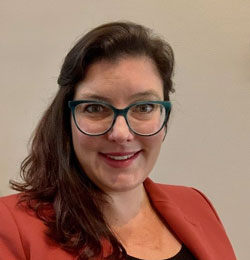
Jacqueline Scarborough
Director, Consumer Care,Tate & Lyle

Spencer Marsh
Chief Scientific Officer, The Tiny Cargo Company
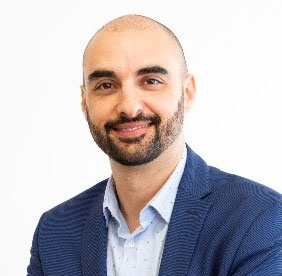
Òscar Expósito
CEO, CSO and co-founder of
Vytrus Biotech S.A.

Lorena Bellas Domínguez
In Vivo Efficacy Test Manager,
Zurko Research